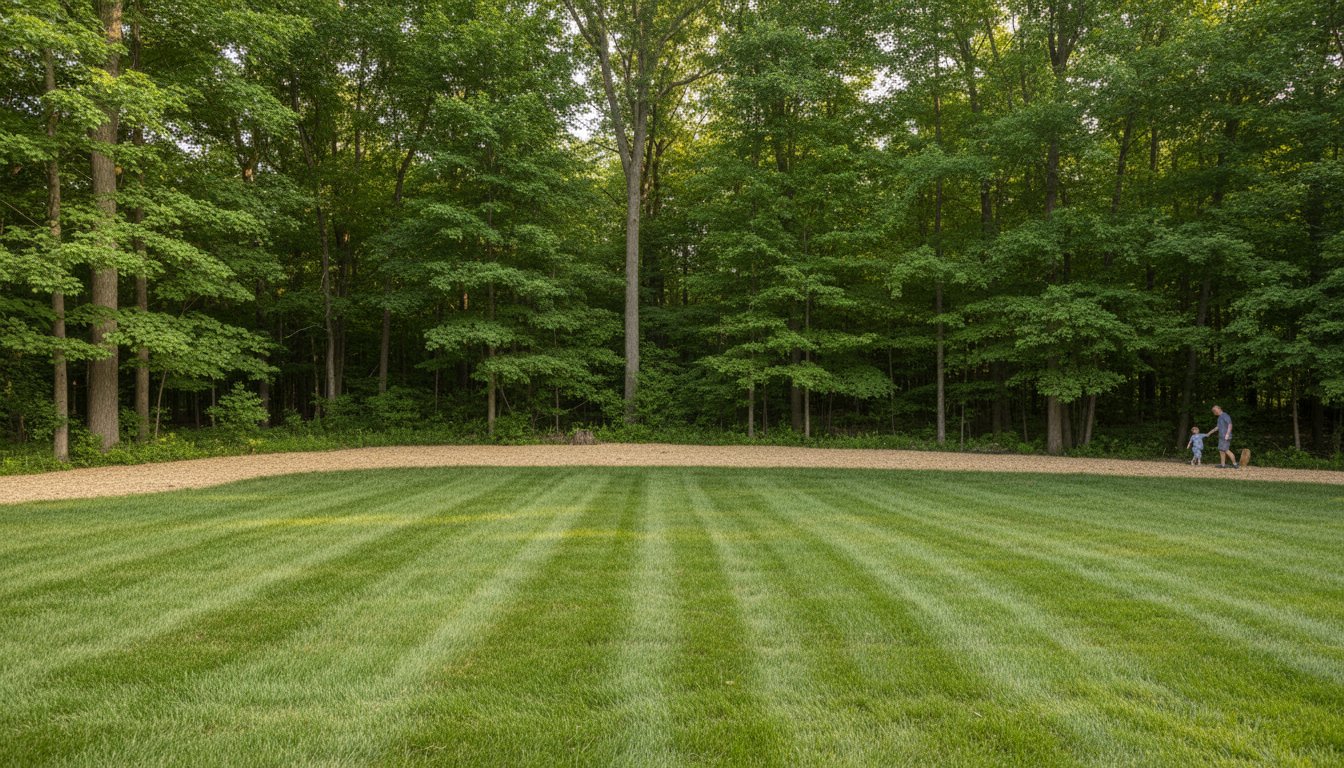
Last June, a homeowner in Erie County discovered three deer ticks on their dog after just ten minutes of backyard play. It’s a common and stressful scenario for families across the region, especially since Pennsylvania reported over 10,000 cases of Lyme disease in 2021 alone. You likely feel that same anxiety every time your children or pets step onto the grass, wondering if today is the day a simple outing leads to a serious health concern. Learning how to get rid of ticks in yard Pennsylvania landscapes requires a methodical approach that goes beyond basic maintenance.
You deserve to feel confident and safe while enjoying your outdoor space. This professional guide shares proven strategies for managing local tick populations through habitat modification, wildlife management, and expert intervention. The following sections examine how to identify high-risk zones on your property, implement effective barriers, and determine when a situation requires professional-grade solutions. By the end of this article, you’ll have a clear roadmap for maintaining a yard that’s built for relaxation rather than worry.
Disclaimer: The information provided on this blog is for general informational purposes only and is not intended as professional pest control advice. Conditions vary by property, environment, and location. Reading this content does not create a service agreement. For an inspection or professional recommendations, please contact Mosquito Assassin Pest Control LLC directly.
Key Takeaways
- Identify common species like the Blacklegged tick to better understand their specific activity patterns and habitat preferences in Northwest Pennsylvania.
- Learn how consistent yard maintenance, including frequent mowing and leaf litter removal, eliminates the damp environments where ticks typically quest and overwinter.
- Discover how to get rid of ticks in yard pennsylvania properties by creating three-foot physical barriers using wood chips or gravel to separate wooded areas from active lawn spaces.
- Understand the role of Integrated Pest Management and professional inspections in identifying specific tick hotspots and managing local wildlife hosts like white-tailed deer.
- Develop a year-round prevention strategy that prioritizes consistent habitat modification and routine property assessments for long-term population suppression.
Common Tick Species and Activity Patterns in Pennsylvania
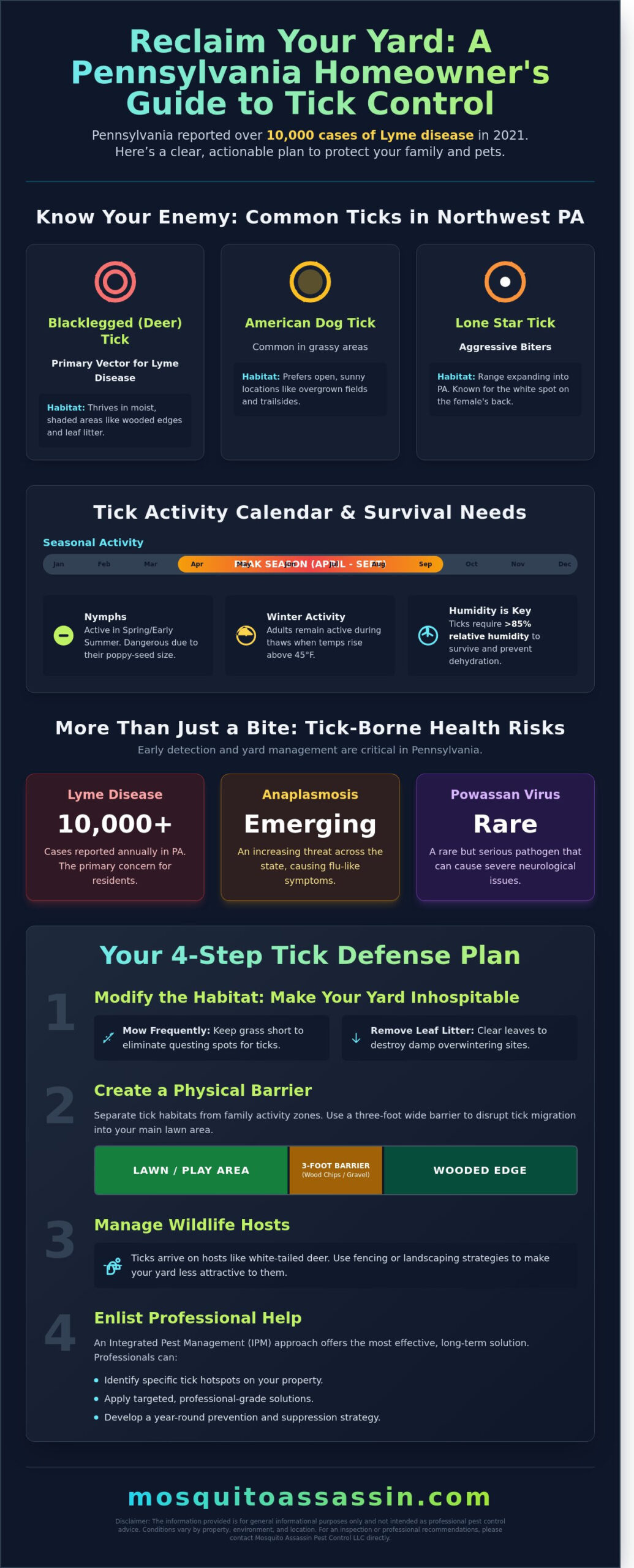
Pennsylvania consistently ranks among the top states for tick-related incidents. Understanding the specific species in Northwest Pennsylvania helps homeowners determine how to get rid of ticks in yard pennsylvania environments. The Blacklegged tick (Ixodes scapularis), commonly called the deer tick, is the most prevalent species in Erie and Crawford Counties. These ticks thrive in the moist leaf litter found at the edges of wooded properties. They’re the primary vector for several serious illnesses in the region.
The American Dog tick (Dermacentor variabilis) is another frequent visitor, though it prefers different habitats. Unlike the shade-loving deer tick, the American Dog tick gravitates toward open, sunny, grassy areas and overgrown fields. Additionally, the Lone Star tick (Amblyomma americanum) is expanding its range into the Pennsylvania and Ohio border regions, including Ashtabula County. This species is known for its aggressive biting behavior and the distinct white spot on the female’s back. Each of these species requires a different understanding of habitat to manage effectively.
When are ticks most active in PA?
Tick activity in the local region follows a distinct seasonal pattern, peaking from April through September. Nymph-stage ticks, which are approximately the size of a poppy seed, are most active during the spring and early summer months. Because they’re so small, they often go unnoticed by people working in their gardens. Adult ticks don’t simply disappear when the temperature drops. They remain active during winter thaws whenever temperatures rise above 45 degrees Fahrenheit. High humidity is essential for tick survival; they require environments with at least 85% relative humidity to prevent dehydration. Shaded yards with dense vegetation provide the perfect microclimate for these pests to thrive throughout the year.
Tick-borne health risks in the Erie and Crawford region
The primary concern for residents in Erie and Crawford Counties is Lyme disease. Pennsylvania often reports over 10,000 cases of Lyme disease annually, making early detection and yard management critical. Beyond Lyme, emerging threats like Anaplasmosis and the rare but serious Powassan virus are increasing in frequency across the state. These pathogens can be transmitted in a matter of hours or days depending on the specific virus or bacteria involved. Implementing a comprehensive plan for how to get rid of ticks in yard pennsylvania settings, including professional pest control, may help reduce risk for families and pets by targeting ticks where they live and breed. Professional inspections can identify high-risk zones on a property that a standard visual check might miss.
Essential Yard Maintenance for Tick Suppression
Maintaining a property in Erie or Crawford County requires more than just visual appeal; it’s a strategic move for family safety. Ticks, particularly the black-legged tick common in Pennsylvania, rely on high moisture levels and consistent shade to survive. When homeowners investigate how to get rid of ticks in yard pennsylvania locations, the answer begins with altering the local microclimate to make it inhospitable for these arachnids.
Integrated pest management relies heavily on physical changes to the environment. By reducing the areas where ticks can hide and quest, property owners can significantly lower the local population before they ever encounter a host. These maintenance efforts work in tandem with general pest control protocols to create a comprehensive barrier against infestations in high-traffic areas.
Mowing and vegetation management
Grass height is a primary factor in tick survival. Ticks don’t jump or fly; they quest by climbing to the top of vegetation and waiting for a person or pet to pass by. Keeping lawn grass to a height of three inches or less removes these elevated questing platforms. Shorter grass also allows the sun to reach the soil, which increases ground temperature and lowers the humidity ticks need to stay hydrated.
Clearing tall weeds and brush from the perimeter is equally vital for residents in Ashtabula or Crawford County. Research from the CDC indicates that nearly 82% of ticks in suburban yards are found in the transitional zone between the lawn and the woods. Trimming low-hanging branches on shrubs and trees further eliminates the deep shade that protects ticks from the drying effects of the sun. Keeping these areas clear forces ticks to retreat further into the woods and away from the home.
Debris removal and moisture control
Organic debris acts as a thermal blanket for ticks. In Pennsylvania, tick nymphs often overwinter in leaf piles, emerging in the spring to find hosts. Removing these piles by late autumn reduces the number of ticks that survive the winter. Woodpiles should be stacked neatly and kept in dry, sunny locations, as these spots are less likely to harbor the white-footed mice that serve as primary blood meal sources for young ticks.
Ground covers like pachysandra or heavy mulch layers create a humid microclimate that ticks prefer. If these plants are located near walkways or play sets, thinning them out can reduce the risk of contact. For those seeking a long-term strategy on how to get rid of ticks in yard pennsylvania properties, a professional property assessment may help identify specific high-risk zones that require attention. Eliminating standing water and improving drainage also helps keep the soil surface dry, further discouraging tick activity.
Creating Physical Barriers and Managing Wildlife Hosts
Ticks don’t jump or fly; they rely on direct contact to move from the environment onto a host. In Erie and Crawford Counties, Pennsylvania, many properties border dense woods or tall brush where ticks thrive. Creating a physical separation between these high-risk areas and the active lawn is a fundamental strategy for how to get rid of ticks in yard pennsylvania. A three-foot wide barrier consisting of wood chips, gravel, or river rock serves as a dry “no-man’s land.” Ticks are highly sensitive to desiccation, which is the process of drying out. Because these materials retain heat and lack moisture, ticks are less likely to crawl across them into the manicured parts of the yard.
Managing the wildlife that brings ticks onto a property is equally vital for long-term control. White-tailed deer are the primary hosts for adult black-legged ticks. A single deer can carry hundreds of ticks, dropping gravid females that will eventually lay thousands of eggs in the leaf litter. While deer are the visible carriers, small rodents like the white-footed mouse are the primary reservoir for the Lyme disease bacterium. Larval and nymphal ticks pick up the pathogen when they feed on these infected rodents. Implementing rodent removal strategies and habitat modification can significantly reduce the local tick population by removing the hosts they need to survive. Comprehensive property safety depends on addressing both the parasites and the animals that transport them.
Hardscaping for tick prevention
Ticks avoid crossing dry, sun-exposed surfaces because they require high humidity to survive. Using hardscaping elements like gravel paths or mulch beds creates a hostile environment for these pests. Property owners should place playground equipment, patios, and seating areas in sunny, central locations away from the yard’s perimeter. Maintaining clear, wide paths through any naturalized or wooded areas on the property ensures that residents don’t brush against questing ticks. This structural approach is a key part of understanding how to get rid of ticks in yard pennsylvania without relying solely on chemical applications.
Discouraging deer and rodent hosts
Reducing wildlife traffic requires making the property less hospitable to large and small carriers. Selecting deer-resistant plants such as lavender, boxwood, or certain ornamental grasses can decrease the frequency of deer visits. Removing bird feeders or cleaning up fallen fruit is essential; these food sources attract mice and rats that harbor disease-carrying nymphs. For properties with heavy deer pressure, physical fencing at least 8 feet tall is often the only way to limit wildlife access to the inner yard. Professional pest control may help reduce risk when combined with these proactive habitat changes.
Disclaimer: The information provided on this blog is for general informational purposes only and is not intended as professional pest control advice. Conditions vary by property, environment, and location. Reading this content does not create a service agreement. For an inspection or professional recommendations, please contact Mosquito Assassin Pest Control LLC directly.
The Role of Professional Integrated Pest Management
Integrated Pest Management (IPM) is a science-based decision-making process that identifies and reduces risks from pests through a combination of biological, cultural, and physical tools. For homeowners researching how to get rid of ticks in yard pennsylvania, IPM represents a shift away from reactive spraying toward a proactive, ecological strategy. This method prioritizes long-term prevention by managing the environment to make it less hospitable for ticks. Professionals use this framework to ensure that every action taken is necessary, effective, and mindful of the local ecosystem.
A primary benefit of the IPM approach is the focus on targeted treatments rather than broad-spectrum applications. While generic treatments might provide temporary relief, they often fail to address the root cause of an infestation and can inadvertently impact beneficial insects. Professional technicians focus on specific “hotspots” where ticks are most likely to congregate. This precision reduces the total amount of product applied to the property while maximizing the impact on the tick population. Homeowners looking for a tailored approach can explore professional services that utilize these advanced IPM principles.
The professional inspection process
A successful tick suppression strategy begins with a comprehensive property evaluation. Technicians analyze property typography and drainage patterns, as ticks require high humidity to survive and will quickly desiccate in dry, sunny areas. They also identify wildlife corridors, such as the deer paths frequently found in Erie and Crawford Counties, which serve as primary transport routes for adult ticks. By mapping out “tick zones,” such as the ecotone where a manicured lawn meets a wooded border, professionals can pinpoint exactly where children and pets are most at risk. This inspection establishes a critical baseline of activity, allowing for a more accurate assessment of treatment efficacy over time.
Strategic timing for professional treatments
Effective tick management requires an understanding of the complex life cycles of local species. The black-legged tick, for instance, has a two-year life cycle consisting of four stages: egg, larva, nymph, and adult. Professional treatments are strategically timed to coincide with peak activity periods for nymphs and adults, which are the stages most likely to bite humans. Perimeter treatments act as a defensive barrier, stopping ticks from migrating from tall grasses or leaf litter into active play areas. Furthermore, a mosquito control program often complements these efforts. Because both pests thrive in similar shaded and damp environments, coordinated treatments can significantly improve the overall comfort and safety of the outdoor living space.
For those concerned about tick activity on their property, professional pest control may help reduce risk through a customized evaluation.
Disclaimer: The information provided on this blog is for general informational purposes only and is not intended as professional pest control advice. Conditions vary by property, environment, and location. Reading this content does not create a service agreement. For an inspection or professional recommendations, please contact Mosquito Assassin Pest Control LLC directly.
Establishing a Year-Round Tick Prevention Strategy
Understanding how to get rid of ticks in yard pennsylvania requires more than a single application or a weekend of yard work. Ticks like the black-legged tick operate on a complex two-year life cycle, transitioning through egg, larva, nymph, and adult stages. A one-time treatment might eliminate active adults, but it won’t affect eggs tucked away in the soil or nymphs protected by heavy brush. Consistency is the only way to break this cycle and prevent new populations from establishing themselves on your property.
Residents in Erie, Crawford, and Ashtabula counties live in high-risk zones where humidity levels and wooded landscapes create ideal tick habitats. Relying on seasonal efforts often leaves gaps in protection during the spring and fall peaks. Personal protection protocols are vital for anyone spending time outdoors in these regions. This includes wearing light-colored clothing to spot crawling ticks easily and using EPA-registered repellents containing DEET or picaridin. For those seeking localized data on tick pressure, visiting Mosquito Assassin locations can provide insights into regional trends and professional management strategies.
Spring and summer maintenance checklist
During the peak activity months between April and August, property owners should focus on physical barriers and host management. Ticks don’t jump or fly; they rely on questing, which involves waiting on the tips of tall grass or shrubs to hitch a ride on a passing host.
- Monthly property inspections: Walk the perimeter of your lawn every 30 days to identify overhanging branches or tall weeds that touch high-traffic areas. Trimming these back reduces the “questing” opportunities for ticks.
- Monitor rodent activity: Mice and chipmunks are the primary reservoirs for Lyme disease. Identifying small burrows or nests near the home foundation is a priority, as these animals carry tick larvae into your immediate living space.
- Maintain the tick-free zone: Keep a 3-foot wide barrier of wood chips or gravel between your lawn and any wooded areas. This dry zone acts as a physical deterrent that many tick species find difficult to cross.
Fall and winter preparation
Tick activity doesn’t end when the temperature drops. Adult black-legged ticks remain active whenever the ground isn’t frozen and temperatures stay above 45 degrees Fahrenheit. Winter preparation is about removing the insulation these pests need to survive the cold months.
- Leaf removal: Complete a final leaf raking and removal before the first snow. Thick layers of leaf litter provide a microclimate that protects ticks from freezing temperatures.
- Foundation exclusion: Inspect the home foundation for gaps larger than 1/4 inch. Sealing these entry points prevents rodents from seeking shelter inside, which in turn prevents them from bringing ticks into crawlspaces or basements.
- Early season planning: Late winter is the best time for professional consultations. Developing a plan before the spring thaw ensures that the first treatments are applied exactly when nymphs begin to emerge.
Consistent yard maintenance combined with professional pest control may help reduce risk for families and pets throughout the year. For more information on local service options, you can contact a professional through the online booking portal.
Protecting Your Property From Tick Activity
Maintaining a tick-free environment requires a multi-layered approach that combines habitat modification with professional oversight. Regular lawn care, such as keeping grass short and clearing leaf litter, removes the damp environments where ticks thrive. Establishing physical barriers like gravel or wood chips between wooded areas and lawn spaces further limits tick migration into high-traffic zones. It’s important to remember that local wildlife like deer and mice often carry these pests onto the property, making perimeter management essential.
Understanding how to get rid of ticks in yard pennsylvania involves consistent effort and an awareness of local seasonal patterns. Licensed professionals in Erie, Crawford, and Ashtabula Counties utilize family-safe integrated pest management strategies to address specific property vulnerabilities. These expert interventions help reduce the presence of black-legged ticks while ensuring the safety of household pets and children. Professional pest control doesn’t just treat the symptoms; it addresses the root causes of infestation. For a professional property inspection and customized tick management recommendations, contact Mosquito Assassin Pest Control LLC today. Taking proactive steps now ensures a safer outdoor space for the entire family throughout the year.
Disclaimer: The information provided on this blog is for general informational purposes only and is not intended as professional pest control advice. Conditions vary by property, environment, and location. Reading this content does not create a service agreement. For an inspection or professional recommendations, please contact Mosquito Assassin Pest Control LLC directly.
Frequently Asked Questions
How do I know if I have ticks in my yard in Pennsylvania?
You can identify tick presence by performing a “tick drag” using a white piece of fabric across tall grass and shrubbery. If ticks are present, they’ll latch onto the cloth, making them easy to spot. The Pennsylvania Department of Health notes that the black-legged tick is found in all 67 counties; therefore, checking shaded areas near wooded edges is essential for homeowners in Erie and Crawford counties.
What is the fastest way to get rid of ticks in a large yard?
Professional barrier treatments are the most efficient method for how to get rid of ticks in yard pennsylvania properties. These liquid applications target the perimeter where ticks hide, providing rapid reduction in population. Maintaining a 3 foot wide barrier of wood chips or gravel between the lawn and wooded areas also prevents ticks from migrating into active recreation zones.
Are there plants that naturally repel ticks in Pennsylvania?
Lavender, rosemary, and marigolds are known to repel ticks, but they only cover a small radius around the plant. While these plants contain oils ticks dislike, they don’t provide a complete solution for a large property. Research indicates that while certain scents repel, they don’t eliminate an established tick population; therefore, they’re best used as a supplement to other control methods.
Do tick yard treatments really work against Lyme disease?
Yard treatments effectively reduce the population of ticks that carry Lyme disease, which lowers the risk of transmission. In 2021, Pennsylvania reported over 2,900 confirmed cases of Lyme disease, the highest in the nation. By reducing the number of black-legged ticks in high-traffic areas by up to 90 percent, professional treatments significantly lower the likelihood of a tick bite occurring on the property.
When is the best time to spray for ticks in Erie, PA?
In Erie, PA, the first treatment should occur in late March or early April when temperatures consistently reach 45 degrees Fahrenheit. This timing targets adult ticks emerging from winter dormancy. A second critical window occurs in October or November to address the fall surge of adult black-legged ticks before the ground freezes for the winter.
Can ticks live in short grass or mowed lawns?
Ticks can survive in short grass, though they’re 70 percent more likely to be found in unmowed areas or leaf litter. They require high humidity to prevent dehydration, which short, sunny lawns don’t usually provide. However, if a lawn is shaded or damp, ticks can still thrive even at a 3 inch blade height; consequently, mowing alone isn’t a guaranteed fix.
Does a professional mosquito treatment also kill ticks?
Many professional mosquito treatments use active ingredients that also affect ticks, but the application techniques are different. Mosquito treatments focus on the foliage of trees and shrubs, while tick treatments must reach the ground and the lower 3 feet of vegetation. A professional pest control plan may help reduce risk by combining these methods to cover all habitats.
How often should a yard be treated for ticks in the Pennsylvania climate?
Pennsylvania yards typically require treatments every 30 to 45 days from April through November to maintain a protective barrier. This schedule covers the life cycles of various species, including the nymph stage in early summer and the adult stage in autumn. Regular intervals prevent new ticks brought in by wildlife from establishing a permanent presence in the yard.
Disclaimer: The information provided on this blog is for general informational purposes only and is not intended as professional pest control advice. Conditions vary by property, environment, and location. Reading this content does not create a service agreement. For an inspection or professional recommendations, please contact Mosquito Assassin Pest Control LLC directly.