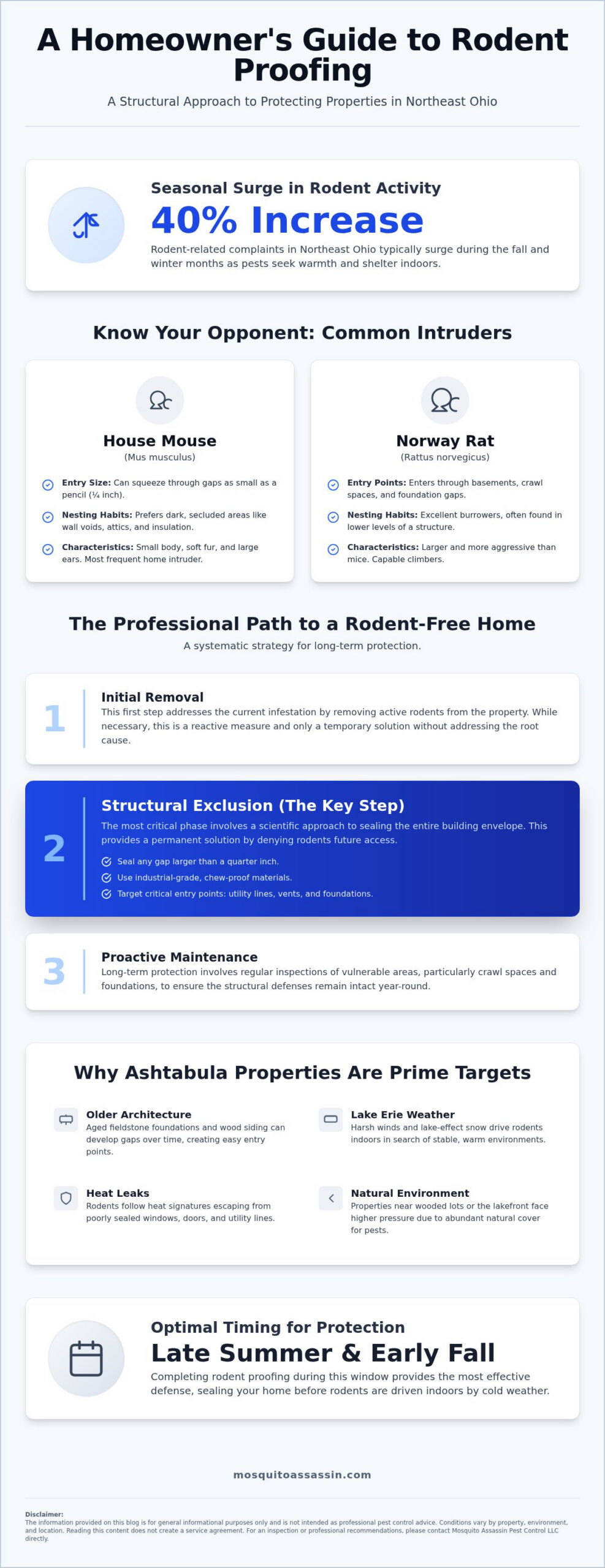
Did you know that rodent-related complaints in Northeast Ohio typically surge by 40% during the fall and winter months? As temperatures drop, mice and rats prioritize finding shelter within the warmth of residential attics, crawlspaces, and wall voids. It’s a stressful reality for many homeowners who feel like they’re losing a battle against persistent intruders. If you’ve spent weeks setting traps only to find fresh droppings or chewed insulation, you know that reactive measures often fall short of a permanent solution. Protecting your property requires a more decisive, structural approach to rodent proofing Ashtabula Ohio.
It’s natural to feel anxious about the health risks and property damage associated with an active infestation. This guide provides a professional roadmap to transition from temporary fixes to a high-standard defense system. You’ll learn how to identify the specific vulnerabilities that invite pests into your home and how to implement a systematic three-step process involving removal, maintenance, and exclusion. The following sections detail the technical methods used to seal perimeters and the essential strategies for maintaining a rodent-resistant home year-round. This approach ensures your property remains a safe and secure environment while meeting the professional standards expected for homes across Ashtabula County.
Key Takeaways
- Recognizing the distinct habits of Norway rats and house mice is essential for implementing the correct structural defenses for your property.
- Professional-grade exclusion involves securing the entire building envelope, with a focus on sealing any entry point larger than a quarter inch.
- Proactive inspections of crawl spaces and foundations are critical for identifying vulnerabilities before lake-effect weather drives rodents indoors.
- Completing rodent proofing Ashtabula Ohio during the late summer or early fall provides the most effective protection against seasonal infestations.
- A multi-step strategy combining professional removal with permanent exclusion is the most reliable way to maintain a rodent-free environment.
The Importance of Proactive Rodent Proofing in Ashtabula
Ashtabula’s location along Lake Erie creates unique environmental pressures for property owners. Cold winds and heavy lake effect snow drive small mammals to seek stable, warm environments. Proactive rodent proofing Ashtabula Ohio is a necessary part of home maintenance because a single pair of mice can quickly lead to an established population. Beyond the nuisance, rodents cause structural damage by shredding insulation for nesting material and gnawing on electrical wiring (which creates significant fire hazards). These animals also carry bacteria and parasites that can contaminate food preparation surfaces and storage areas.
Addressing these vulnerabilities before the first frost saves homeowners from the high costs of professional decontamination and structural repair. Effective exclusion involves more than just setting traps; it requires understanding the structural biology of the home. This systematic approach is often discussed within the broader field of nuisance wildlife management, where the focus remains on permanent habitat modification to discourage pest activity. By sealing the building envelope, property owners can protect their investment and maintain a healthier living space.
To better understand how these pests enter a structure, watch this helpful video:
Common Rodent Species in Northeast Ohio
The house mouse (Mus musculus) is the most frequent intruder in Ashtabula homes. These small rodents have soft fur and large ears, and they can squeeze through gaps as small as a pencil. They typically nest in dark, secluded areas like wall voids or attic insulation. In contrast, the Norway rat (Rattus norvegicus) is larger and more aggressive. They are excellent burrowers that often enter through basements or crawl spaces. While they prefer lower levels, they are capable climbers that can access rooflines if tree branches provide a bridge. Both species are driven by a biological need to escape the harsh Ohio winter and find consistent food sources.
Why Rodents Target Ashtabula Properties
Older architecture in Ashtabula County often features fieldstone foundations or aged wood siding that develops natural gaps over time. These structural openings are like open invitations for rodents. Properties near wooded lots or the lakefront face even higher pressure due to the abundance of natural cover. When lake effect snow covers their outdoor food sources, rodents follow heat signatures leaking from poorly sealed windows, doors, and utility penetrations. Implementing structural exclusion through general pest control plans is the only way to break this seasonal cycle of infestation and ensure long-term property protection.
The Science of Rodent Exclusion and Structural Integrity
While trapping removes current residents, rodent proofing Ashtabula Ohio addresses the structural flaws that allow them to return. Professional exclusion is a scientific discipline focused on the building envelope. It requires a methodical inspection to identify every gap larger than a quarter inch. By sealing these access points, property owners eliminate the root cause of infestations rather than just managing the symptoms. This strategy aligns with EPA rodent prevention tips which emphasize the removal of easy access to shelter. This approach is more sustainable because it transforms the property into an inhospitable environment for pests, providing a permanent resolution to recurring problems.
Sealing Critical Entry Points
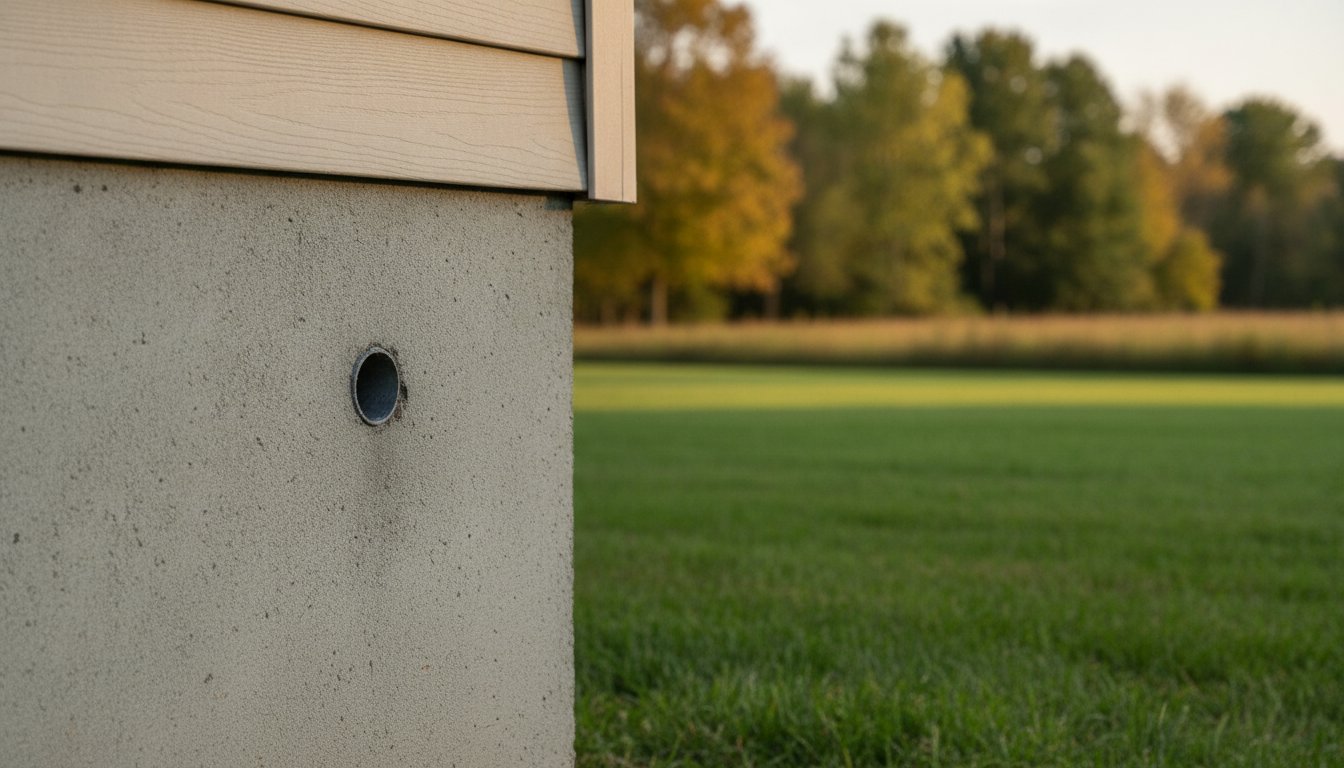
A comprehensive exclusion plan targets specific zones where rodents frequently bypass structural barriers. These include weep holes in brick siding, gaps around utility line penetrations, and worn door sweeps. Unlike temporary DIY fixes such as expanding foam (which rodents can easily chew through or pull apart), professional exclusion uses permanent, industrial-grade solutions. High-quality sealants combined with hardware cloth create a multi-layered defense that rodents cannot penetrate. Identifying these subtle vulnerabilities requires local expertise, as the freeze-thaw cycle in Northeast Ohio often shifts foundations and creates new cracks annually. A professional assessment ensures that even the smallest entry points are secured before they become major liabilities.
Materials That Resist Rodent Damage
Rodents possess teeth that never stop growing, allowing them to gnaw through wood, plastic, and even thin aluminum. To counter this, professionals utilize materials specifically engineered for resistance and longevity. Steel wool and copper mesh are packed tightly into voids to provide a textured barrier that is physically difficult for rodents to bite. Heavy-duty metal flashing is often installed around corners, rooflines, and foundation edges where Norway rats or house mice might attempt to widen an existing gap. These materials must be durable enough to withstand the moisture, salt, and temperature extremes common in Ashtabula County. For those seeking long-term property protection, a professional rodent control service can provide the structural reinforcements necessary to maintain a pest-resistant perimeter. Implementing high-standard rodent proofing Ashtabula Ohio is a critical investment in the structural integrity of any local property.
Identifying Vulnerabilities in Northeast Ohio Properties
Successful rodent proofing Ashtabula Ohio begins with a meticulous property audit. It’s not enough to look for obvious holes; you have to understand how these animals exploit structural weaknesses. Mice only need a gap the size of a dime to enter, while rats can fit through an opening the size of a quarter. Because these pests are primarily nocturnal, homeowners often miss the subtle signs of entry until an infestation is already established. A professional inspection maps out every potential breach in the building’s perimeter, from the foundation to the peak of the roof.
Foundation and Siding Vulnerabilities
In Ashtabula County, many homes feature older foundations that are prone to settling and cracking over time. Check the critical zone where the siding meets the foundation wall. This area, often called the sill plate, is a frequent entry point if the wood has rotted or the gap hasn’t been properly sealed. Basement windows and vents are also high-risk zones. Damaged screens or loose frames provide easy access for Norway rats seeking the moisture and warmth of a basement or crawl space. Additionally, inspect the area around dryer vents and utility penetrations. If the plastic cover is cracked or the gap around the pipe is larger than a quarter inch, it’s a vulnerability that requires immediate reinforcement with rodent-resistant materials.
Roofline and Attic Entry Points
Climbing rodents often bypass ground-level defenses by accessing the roof. Overhanging tree branches act as natural bridges, allowing mice to reach gutters, soffits, and fascia boards. During your inspection, look closely at soffit vents, ridge vents, and chimney caps. If these aren’t secured with heavy-duty mesh, rodents can chew through thin plastic or wood to enter the attic insulation. One key indicator of an active entry point is the presence of “rub marks.” These are dark, oily stains left by the oils and dirt in a rodent’s fur as they squeeze through a tight opening. Identifying these marks helps pin-point exactly where structural reinforcements are needed to prevent future access.
Attached garages and nearby sheds are often overlooked during the initial proofing process. These structures serve as staging areas where rodents can nest safely before finding a way into the main living quarters. Gaps under garage doors or missing weather stripping are common culprits that invite pests inside. Ensuring these secondary structures are part of a comprehensive rodent proofing Ashtabula Ohio strategy is vital for long-term success. Protecting the entire property perimeter prevents rodents from gaining a foothold near the home’s foundation. For those managing complex infestations, general pest control plans can provide the necessary structural oversight to maintain a secure environment.
Seasonal Rodent Trends and Prevention Strategies
The shift in seasons in Northeast Ohio dictates rodent behavior. In Ashtabula, the transition from summer to fall triggers a biological response in local mice and rats to seek permanent winter shelter. This seasonal surge is often when homeowners first notice activity, but the most effective rodent proofing Ashtabula Ohio occurs before these pests ever find an entry point. Waiting until the first major lake effect snow often means trying to solve an infestation that has already moved indoors. A proactive strategy focuses on structural integrity and habitat modification during the warmer months to ensure the home is secure before temperatures plummet.
Preparing for the Winter Rodent Influx
Early autumn is the most critical window for structural exclusion. Once the temperature drops, rodents follow heat signatures leaking from homes. Reducing attractants in the yard is just as important as sealing the house. Bird feeders, while popular, provide a high-calorie food source that draws rodents toward the foundation. Fallen fruit from trees or unharvested garden vegetables should also be cleared promptly. Firewood storage plays a major role in local infestations as well. Woodpiles should be kept at least 20 feet away from the home and elevated off the ground. Stacking wood directly against the siding creates a protected highway for rodents to explore the lower perimeter of the structure without being seen by predators.
Maintaining a Rodent-Resistant Perimeter
A well-maintained landscape is a primary defense against pests. Overgrown vegetation provides the cover rodents need to move undetected across a property. Trimming shrubs and tree limbs so they are at least six feet away from the roofline prevents climbing rodents from reaching upper-level vulnerabilities like soffit vents or ridge caps. Additionally, moisture management is essential for long-term prevention. Clogged gutters and misdirected downspouts create damp soil conditions that attract Norway rats, who are known for their burrowing capabilities. Ensuring that water is moved away from the foundation reduces the likelihood of these pests establishing a colony near the home.
Regular exterior inspections should be part of every homeowner’s seasonal maintenance routine. Look for new gnaw marks on door frames or displaced mesh in foundation vents. Even small changes in the property, such as new utility installations or cable lines, can create fresh entry points that rodents will quickly exploit. For residents who want to stay ahead of these seasonal shifts, a professional rodent control service can provide a thorough perimeter assessment. By combining structural repairs with consistent habitat modification, you can ensure that rodent proofing Ashtabula Ohio remains effective regardless of the weather.
Professional Rodent Management and Long-Term Protection
Professional rodent management moves beyond the reactive nature of DIY trapping. It follows a scientific, three-step process: removal, maintenance, and exclusion. While removal addresses the immediate population, exclusion provides the structural foundation for a rodent-free future. Rodent proofing Ashtabula Ohio is most effective when it’s part of a comprehensive strategy that accounts for the persistent pressure from local wildlife and seasonal shifts. Licensed professionals bring technical proficiency that retail products cannot replicate, including the ability to distinguish between different rodent species and their specific behavioral patterns. This nuanced understanding ensures that the materials used for structural reinforcement are appropriately matched to the specific threat level of the property.
Licensed professionals utilize advanced materials and structural engineering principles to secure the building envelope. This long-term protection is far more effective than retail solutions because it addresses the biological drive of rodents to seek warmth. By eliminating entry points, the cycle of recurring infestations is broken. These experts have access to industrial-grade tools and exclusion techniques that go far beyond standard retail products, ensuring that every vulnerability is identified and addressed with professional-grade materials that rodents cannot easily bypass.
The Role of Year-Round Protection Plans
Maintaining a secure perimeter requires consistent oversight. Year-round protection plans ensure that exclusion barriers remain intact despite the harsh Northeast Ohio climate. These programs prioritize integrated pest management (IPM), a strategy that focuses on habitat modification and structural repair to reduce the need for chemical applications. For more information on how these strategies protect a property, readers can consult General Pest Control: The Complete Guide for Homeowners. Regular inspections catch new vulnerabilities, such as foundation settling or storm damage, before pests can exploit them. This proactive approach preserves the integrity of the initial exclusion work and provides lasting peace of mind.
When to Contact a Licensed Professional
Recognizing the limits of DIY intervention is crucial for property protection. If sightings persist despite the use of retail traps, or if there are signs of widespread activity like gnaw marks on structural beams, professional assistance is necessary. Licensed experts have the specialized tools to uncover hidden nesting sites in wall voids, crawl spaces, and attic insulation that are often inaccessible to homeowners. Understanding the full scope of a professional approach can be found in Professional Rodent Removal: A Complete Guide to Reclaiming Your Home. Early professional intervention prevents rodents from causing extensive damage to wiring and insulation. For an inspection or professional recommendations, professional pest control may help reduce risk and secure the property perimeter effectively.
Disclaimer: The information provided on this blog is for general informational purposes only and is not intended as professional pest control advice. Conditions vary by property, environment, and location. Reading this content does not create a service agreement. For an inspection or professional recommendations, please contact Mosquito Assassin Pest Control LLC directly.
Securing Your Home Against Seasonal Infestations
Maintaining a pest-free environment requires moving beyond temporary fixes to a strategy focused on structural integrity. Effective rodent proofing Ashtabula Ohio involves a specialized three-step process of removal, maintenance, and exclusion to ensure that mice and rats cannot exploit architectural vulnerabilities. By securing the building envelope and addressing seasonal trends before the lake-effect weather arrives, homeowners can protect their property value and maintain a healthier living space.
Licensed pest control professionals serving Ashtabula, Erie, and Crawford Counties understand the unique pressures of the Northeast Ohio climate. Implementing a permanent exclusion plan is the most reliable way to prevent recurring infestations and the damage they cause to insulation and wiring. Professional pest control may help reduce risk. For an inspection or professional recommendations, please contact Mosquito Assassin Pest Control LLC directly or visit the online booking portal. Taking these proactive steps ensures your home remains a secure sanctuary throughout the year.
Disclaimer: The information provided on this blog is for general informational purposes only and is not intended as professional pest control advice. Conditions vary by property, environment, and location. Reading this content does not create a service agreement. For an inspection or professional recommendations, please contact Mosquito Assassin Pest Control LLC directly.
Frequently Asked Questions
How do I rodent proof my house in Ashtabula Ohio?
Rodent proofing Ashtabula Ohio involves a systematic approach to sealing the building envelope. You should begin by inspecting the foundation, roofline, and utility penetrations for any gaps larger than a quarter inch. Professional methods utilize a three-step process of removal, maintenance, and structural exclusion. By reinforcing vulnerable areas with rodent-resistant materials like hardware cloth and metal flashing, you create a permanent barrier that prevents mice and rats from entering your property during seasonal temperature shifts.
What is the best material for rodent exclusion?
The most effective materials for exclusion are those that rodents cannot chew through or pull apart. Heavy-duty hardware cloth (quarter-inch mesh), copper wool, and stainless steel mesh are industry standards. These materials are packed into voids and secured with professional-grade sealants to prevent displacement. For corners and rooflines, galvanized metal flashing provides a durable barrier against the strong teeth of Norway rats. Avoiding soft materials like wood, plastic, or standard caulking is essential for long-term success.
Can rodents chew through spray foam insulation?
Yes, rodents can easily chew through standard spray foam insulation. While it is effective for blocking drafts, its soft texture offers no resistance to the gnawing of mice or rats. In fact, rodents may use the foam as nesting material once they have breached it. For effective rodent proofing Ashtabula Ohio, professionals use foam that is specifically infused with bittering agents or reinforced with metal mesh to discourage pests from biting through the seal.
How much does professional rodent proofing cost?
The cost of professional exclusion depends on several factors, including the size of the structure, the complexity of the architectural vulnerabilities, and the extent of any existing infestation. Since every property in Ashtabula County is unique, a thorough on-site inspection is necessary to determine the specific materials and labor required for a permanent solution. Investing in professional exclusion often saves homeowners money long-term by preventing expensive damage to attic insulation and electrical wiring.
When is the best time to seal my house against mice?
Late summer and early autumn are the ideal times to secure your property. In Northeast Ohio, rodent-related complaints typically increase by 40% during the fall and winter as pests seek warmth. Sealing entry points before the first frost ensures that your home is not an easy target when mice and rats begin their seasonal search for shelter. Consistent monitoring throughout the spring and summer also helps catch new vulnerabilities caused by foundation settling or storm damage.
Does homeowners insurance cover rodent damage?
Most standard homeowners insurance policies don’t cover damage caused by rodents. Insurance companies generally classify rodent infestations and the resulting damage as a preventable maintenance issue rather than a sudden, accidental loss. This means the costs for replacing contaminated insulation or repairing chewed electrical wires usually fall on the property owner. Proactive exclusion is a critical step in property maintenance to avoid these significant out-of-pocket expenses and protect the overall value of your home.
How do I know if rodents are in my attic?
Common indicators of attic activity include the presence of small, dark droppings and shredded insulation used for nesting. You may also notice oily “rub marks” around entry points or on rafters, which are caused by the dirt in a rodent’s fur. Scurrying or scratching sounds heard at night are also frequent signs of an infestation. If you suspect activity, a professional inspection can help uncover hidden nesting sites within wall voids that are difficult for homeowners to access.
Is professional rodent control safe for my family and pets?
Licensed professionals prioritize the safety of residents and pets by utilizing Integrated Pest Management (IPM) techniques. This methodology emphasizes structural exclusion and habitat modification to resolve the root cause of an infestation while minimizing the need for chemical applications. When treatments are necessary, they are applied according to strict regulatory standards to ensure they are contained away from high-traffic areas. This approach focuses on creating a secure, rodent-free environment through professional-grade structural reinforcements and consistent monitoring.
Disclaimer: The information provided on this blog is for general informational purposes only and is not intended as professional pest control advice. Conditions vary by property, environment, and location. Reading this content does not create a service agreement. For an inspection or professional recommendations, please contact Mosquito Assassin Pest Control LLC directly.