
Tag: pest control

  • Residential Pest Control Services in Ashtabula: A Homeowner’s Guide

    Residential Pest Control Services in Ashtabula: A Homeowner’s Guide

    Imagine walking into your kitchen for a late-night glass of water only to find a line of ants claiming your countertops as their own. For many residents in Northeast Ohio, this frustrating discovery is a common reality that brings immediate concerns about property damage and hygiene. Securing reliable residential pest control services ashtabula homeowners can trust is the first step toward reclaiming a sense of security within your own walls.

    It’s understandable to feel stressed when recurring spider issues or the fear of rodents create a sense of unease in your living space. You deserve a home that feels like a sanctuary, not a place where you have to worry about ticks or mosquitoes every time you step into the yard. This guide provides the essential knowledge needed to identify common local pests, implement effective prevention steps, and manage infestations through professional residential strategies. You will learn the difference between one-time treatments and year-round protection, ensuring you have a clear roadmap for maintaining a pest-free environment through every season.

    Key Takeaways

    • Discover how Lake Erie humidity and seasonal transitions influence pest activity and migration into Northeast Ohio homes.
    • Learn why Integrated Pest Management (IPM) is a science-based approach that prioritizes long-term prevention over reactive measures.
    • Compare the effectiveness of one-time interventions against the consistent protection provided by residential pest control services ashtabula families rely on for year-round security.
    • Identify practical home maintenance and sanitation strategies that significantly reduce the likelihood of an infestation.
    • Understand the professional inspection process and how customized management plans are tailored to the unique layout of your property.

    Understanding the Ashtabula Residential Pest Landscape

    Ashtabula County’s unique geography is more than just a backdrop for lakefront living; it’s a primary driver of local pest activity. The proximity to Lake Erie creates a specific microclimate characterized by higher humidity and distinct weather patterns that influence how insects and rodents behave. Homeowners in this region face challenges that differ from inland areas, primarily because moisture is a fundamental requirement for many of the most common household invaders. Understanding these environmental factors is the first step in protecting a property from unwanted guests.

    To better understand the professional approach to managing these local challenges, watch this helpful video:

    The Impact of Lake Erie on Local Pest Pressure

    High humidity levels near the shoreline support larger populations of moisture-seeking insects. Pests like silverfish, centipedes, and certain species of spiders gravitate toward damp environments, often finding their way into basements and crawlspaces. The lakefront climate also plays a significant role in the breeding cycles of mosquitoes and ticks. Stagnant water and lush vegetation, common in the humid Northeast Ohio environment, provide ideal conditions for these pests to multiply. Homes located directly near the water or in heavily wooded areas of the county often experience higher pest pressure, which makes consistent monitoring vital. Utilizing Integrated Pest Management strategies helps address these environmental variables by focusing on exclusion and habitat modification rather than just temporary fixes.

    Seasonal Pest Cycles in Northeast Ohio

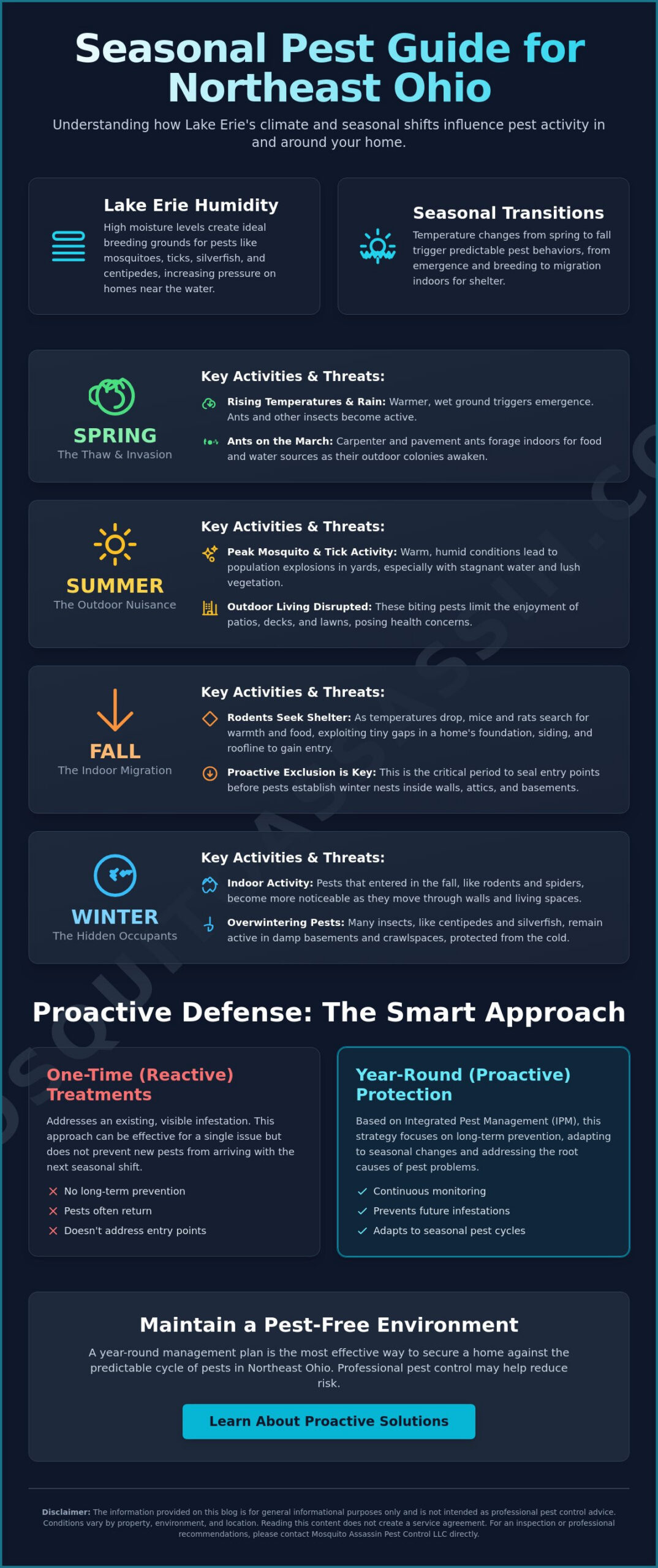
    Pest activity in Ashtabula follows a predictable, albeit intense, seasonal rhythm. In the spring, rising temperatures and frequent rainfall trigger the emergence of ants and stinging insects. Homeowners often notice carpenter ants or pavement ants searching for food sources inside as the ground thaws. During the summer, mosquito and tick activity peaks in residential yards, posing a nuisance for outdoor activities. As the weather cools in the fall, the migration pattern shifts. Rodents like mice and rats begin seeking warmth and shelter, often identifying small gaps in a home’s exterior to gain entry. This transition makes professional residential pest control services ashtabula residents trust essential for sealing these entry points before winter sets in. Without a proactive approach, these seasonal shifts can lead to recurring infestations that are difficult to manage with DIY methods alone. The local environment requires a strategy that adapts to these changes, ensuring that residential pest control services ashtabula homeowners utilize are effective throughout the entire year.

    Disclaimer: The information provided on this blog is for general informational purposes only and is not intended as professional pest control advice. Conditions vary by property, environment, and location. Reading this content does not create a service agreement. For an inspection or professional recommendations, please contact Mosquito Assassin Pest Control LLC directly.
    The Science of Integrated Pest Management for Homeowners

    Modern pest management has evolved far beyond simple chemical application. Effective residential pest control services ashtabula residents rely on are built on the foundation of Integrated Pest Management (IPM). This is a science-based decision-making process that identifies and reduces risks from pests and pest management tools. Unlike traditional extermination that focuses only on killing visible insects, IPM emphasizes long-term prevention through a combination of biological and environmental techniques. According to EPA’s IPM Principles, this approach considers the life cycle of the pest and its interaction with the environment to manage damage by the most economical means. This methodology ensures that every action taken is deliberate and based on the specific biological needs of the situation.

    Identification and Assessment

    A successful strategy begins with precise identification. It isn’t enough to simply see an ant; a professional must determine if it’s a carpenter ant nesting in damp wood or a pavement ant entering through foundation cracks. Each species requires a different management tactic. Similarly, recognizing signs of rodent activity, such as specific gnaw marks or nesting materials in attic insulation, allows for a targeted response. Assessing property vulnerabilities is equally critical. Identifying gaps around utility lines, moisture buildup in crawlspaces, or accessible food sources in the pantry helps address the root cause of the infestation. This thorough assessment prevents the cycle of “spray and repeat” that many homeowners experience when trying to manage pests on their own.

    Disrupting the Pest Lifecycle

    Focusing only on visible pests is a common mistake that leads to recurring issues. If the queen of an ant colony or the breeding pair of rodents remains undisturbed, the population will quickly recover. Professional general pest control strategies use biological knowledge to disrupt these lifecycles at various stages. This might involve residual treatments that remain effective as new eggs hatch or larvae emerge. By understanding the specific habits, feeding patterns, and growth rates of local pests, experts can create a barrier of protection that lasts. For those facing persistent issues, professional pest control may help reduce risk by providing a more thorough analysis than standard retail products. Consistent monitoring ensures that any new activity is caught before it becomes a full-blown infestation.

    Disclaimer: The information provided on this blog is for general informational purposes only and is not intended as professional pest control advice. Conditions vary by property, environment, and location. Reading this content does not create a service agreement. For an inspection or professional recommendations, please contact Mosquito Assassin Pest Control LLC directly.
    One-Time Treatments vs. Year-Round Protection Plans

    Selecting the right approach for your home depends on your specific goals. One-time treatments are designed to handle immediate crises, like a sudden influx of ants in the kitchen. They provide a high-intensity response to an active problem. However, the residential pest control services ashtabula homeowners find most effective are typically those that address the root causes over time. Reactive control often misses the seasonal migration patterns that drive pests indoors as the weather changes. Understanding the biological cycles of pests, as detailed in the University of California’s Guide to IPM, shows that a single application rarely accounts for every life stage. It might eliminate the adults you see today while leaving eggs or larvae to emerge weeks later.

    Implementing year-round pest control actually reduces the total volume of chemical applications over time. By maintaining a consistent protective barrier, you prevent massive infestations that would eventually require heavy-handed interventions. This proactive strategy focuses on keeping the pest population near zero rather than waiting for a visible problem to manifest. It’s a more efficient way to manage the property and ensures that the residential environment remains stable through every season.

    The Case for Ongoing Maintenance

    Consistent maintenance is the most reliable way to keep a property secure. Pests like rodents and spiders are constantly looking for opportunities to establish colonies within the home structure. During the colder months in Northeast Ohio, “overwintering” pests become a significant threat as they seek warmth and shelter. Scheduled maintenance provides continuous property monitoring, ensuring that any new entry points are identified and addressed immediately. This provides peace of mind that the home’s perimeter is always being watched. Stay ahead of the problem by identifying vulnerabilities before they become expensive repairs. Residential pest control services ashtabula families utilize for ongoing protection focus on keeping the exterior barrier strong enough to withstand the local environment’s pressure.

    When a One-Time Service May Be Appropriate

    There are specific scenarios where a single visit is a practical choice. A bald-faced hornets nest hanging from a low branch or a yellow jacket nest near a doorway requires immediate, targeted intervention. These situations are isolated and don’t necessarily indicate a larger structural failure. However, don’t confuse a quick fix with a long-term solution. Most one-time services don’t address the underlying environmental factors, such as moisture or sanitation issues, that invited the pests in the first place. Transitioning from a reactive state to a preventative maintenance plan is the best way to ensure lasting results. Professional pest control may help reduce risk by providing an initial clean-out followed by a strategy to prevent the problem from returning.

    Disclaimer: The information provided on this blog is for general informational purposes only and is not intended as professional pest control advice. Conditions vary by property, environment, and location. Reading this content does not create a service agreement. For an inspection or professional recommendations, please contact Mosquito Assassin Pest Control LLC directly.
    Residential Pest Control Services in Ashtabula: A Homeowner’s Guide

    Residential Prevention Strategies for Ashtabula Homeowners

    Prevention is a collaborative effort between the property owner and professional management. While expert intervention addresses active populations and creates protective barriers, consistent maintenance by the homeowner ensures the property remains unattractive to new invaders. By focusing on structural integrity and sanitation, you can significantly reduce the environmental pressure on your home. These proactive steps complement the residential pest control services ashtabula families use to maintain a secure living space throughout the year.

    Exclusion and Sanitation Basics

    Physical barriers are your first line of defense against insects and rodents. Many pests enter through microscopic gaps that are easy to overlook during a casual walk-through. Homeowners should regularly inspect the foundation for small cracks and use high-quality sealant to close them. Utility entry points, where pipes or wires pass through the exterior walls, are common highways for mice and ants. Using steel wool or specialized mesh before sealing these areas can deter gnawing pests.

    Sanitation is equally vital. Eliminating food sources removes the primary reason pests enter a structure. Store dry goods in airtight containers rather than original cardboard packaging. Keep trash bins tightly sealed and move them away from the home’s exterior walls. Outside, manage your landscaping by keeping woodpiles at least 20 feet away from the foundation. Trim tree branches and shrubs so they don’t touch the roof or siding, as these often act as bridges for ants and spiders.

    Moisture Management in the Home

    Controlling moisture is essential in the humid climate of Northeast Ohio. Many pests, including silverfish and certain species of cockroaches, cannot survive without a consistent water source. Repair leaky pipes under sinks and in basements immediately to prevent damp wood and high humidity levels. In crawlspaces or unfinished basements, using a dehumidifier can make the environment much less hospitable to moisture-seeking insects.

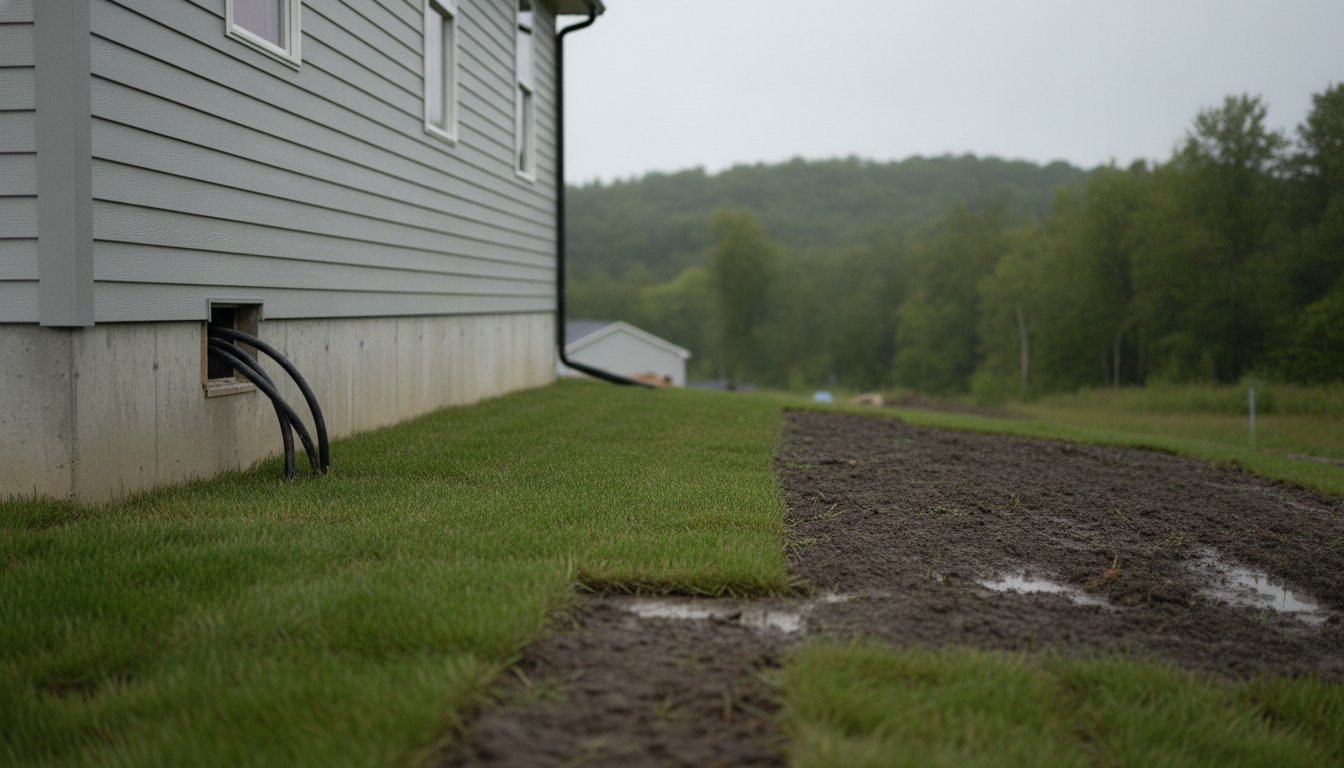
    Exterior drainage also plays a role in pest prevention. Ensure that gutters are clear of debris and that downspouts direct water at least five to ten feet away from the house foundation. Standing water in the yard is a primary breeding ground for mosquitoes, so empty birdbaths, flowerpot saucers, and clogged drains after every rainfall. When homeowner actions are paired with professional residential pest control services ashtabula residents see better long-term results. If you are concerned about specific vulnerabilities on your property, scheduling a professional location assessment can help identify hidden entry points.

    Disclaimer: The information provided on this blog is for general informational purposes only and is not intended as professional pest control advice. Conditions vary by property, environment, and location. Reading this content does not create a service agreement. For an inspection or professional recommendations, please contact Mosquito Assassin Pest Control LLC directly.
    What to Expect from Professional Pest Management

    Professional intervention is a methodical process that goes beyond the simple application of products. It’s a disciplined approach designed to identify, target, and eliminate the biological factors that allow pests to thrive. When you engage residential pest control services ashtabula homeowners trust, you’re transitioning from a state of reactive concern to a state of managed resolution. This systematic procedure ensures that every action taken is based on the specific architectural and environmental needs of your property.

    The Professional Inspection Process

    A comprehensive inspection is the foundation of any successful management plan. A licensed technician evaluates both the interior and exterior of the residential structure with a focus on identifying specific pest species and their primary entry points. This isn’t a surface-level walk-through. It involves examining high-risk areas like basements, attics, and utility penetrations where pests often hide or enter. Following the inspection, you should receive a detailed report of the findings. This document outlines the current pest pressure, identifies structural vulnerabilities, and provides recommended actions to secure the home. This transparency ensures you understand the “why” behind every treatment step.

    Customized Treatment and Follow-Up

    Every home in Ashtabula County is unique, and a one-size-fits-all approach is rarely effective. Based on the inspection findings, a customized plan is developed to address the specific challenges of your property. This might involve specialized methods for rodent removal or targeted insect control using professional-grade tools. A critical component of this strategy is establishing a perimeter of protection around the home’s exterior. This barrier is designed to stop pests before they gain entry, reducing the need for intensive interior treatments.

    Consistency is the key to long-term efficacy. Regular follow-up visits allow for the monitoring of the protective barrier and the identification of new environmental pressures. Professional pest control may help reduce risk by ensuring that the management strategy adapts as seasons change and new pests emerge. Throughout this process, the safety and well-being of residents, children, and pets remain the highest priority. Licensed professionals use precise application methods and follow strict safety protocols to protect the household environment. To begin securing your property, you can start a dialogue with a professional through an online booking portal or a direct contact form. Taking this step ensures that your home remains a sanctuary, free from the stress of recurring infestations.

    Disclaimer: The information provided on this blog is for general informational purposes only and is not intended as professional pest control advice. Conditions vary by property, environment, and location. Reading this content does not create a service agreement. For an inspection or professional recommendations, please contact Mosquito Assassin Pest Control LLC directly.
    Secure Your Home for Every Season

    Managing a property in Northeast Ohio requires a deep understanding of how Lake Erie microclimates drive local pest activity. You’ve seen that science-based Integrated Pest Management and proactive maintenance provide a much stronger defense than reactive treatments alone. By combining homeowner actions like moisture control with professional residential pest control services ashtabula families can maintain a stable and secure living environment through every seasonal transition.

    Experts licensed in Ohio and Pennsylvania bring specialized knowledge of Lake Erie regional pest cycles to every inspection. These professionals prioritize family and pet-conscious treatment methods, ensuring that your property is protected without compromising the well-being of your household members. This methodical approach identifies vulnerabilities before they become costly infestations, providing a level of security that retail products simply cannot match.

    Professional pest control may help reduce risk. For an inspection or professional recommendations, please contact Mosquito Assassin Pest Control LLC today. Reclaiming your peace of mind starts with a single proactive step toward long-term protection.

    Disclaimer: The information provided on this blog is for general informational purposes only and is not intended as professional pest control advice. Conditions vary by property, environment, and location. Reading this content does not create a service agreement. For an inspection or professional recommendations, please contact Mosquito Assassin Pest Control LLC directly.
    Frequently Asked Questions

    Is professional pest control in Ashtabula safe for my children and pets?

    Licensed professionals prioritize the safety of your household by strictly adhering to product labels and EPA regulations during every visit. Targeted application methods focus on specific areas where pests congregate, such as wall voids and crevices, which minimizes contact with common living spaces. Professional pest control may help reduce risk while ensuring the environment remains secure for children and animals.

    How often should a residential property be treated for pests in Ohio?

    A quarterly service schedule is the standard recommendation for residential pest control services ashtabula homeowners use to maintain a consistent protective barrier. This frequency is designed to address the four distinct seasonal migrations that occur in the Northeast Ohio climate. Regular visits ensure that the exterior perimeter is reinforced before new pests have a chance to gain entry as the weather changes.

    Can I handle a rodent infestation on my own or do I need a professional?

    While retail traps may catch an occasional mouse, they rarely address the root cause of a larger infestation or the rapid reproduction rates of rodents. Professionals utilize advanced exclusion techniques to identify and seal microscopic entry points in the home structure that DIY methods often miss. This comprehensive approach is necessary to stop the cycle of return and prevent long term property damage.

    What is the most common pest problem for homeowners in Ashtabula County?

    Ants and spiders are the most frequent issues reported by residents, followed closely by rodent activity during the fall and winter months. The high humidity levels generated by Lake Erie create an ideal environment for these pests to thrive and expand their populations. These environmental factors make the region particularly susceptible to moisture-seeking insects that often seek refuge inside residential structures.

    How long does a typical residential pest control service visit take?

    A standard residential service visit typically lasts between 45 and 75 minutes depending on the size of the property and the specific pests being managed. This timeframe allows for a thorough inspection of both the interior and exterior, followed by the application of a customized management plan. More complex issues or larger estates may require additional time to ensure every vulnerability is addressed correctly.

    Does year-round pest control really save money in the long run?

    Consistent preventive maintenance reduces the likelihood of expensive structural repairs and the need for high-intensity emergency treatments. By keeping pest populations near zero throughout the year, homeowners avoid the steep costs associated with major infestations like wood-destroying insects or large scale rodent clean-outs. It is a more efficient use of resources that protects the overall value of the home.

    What should I do to prepare my home for a pest control professional?

    Preparation involves clearing access to baseboards and ensuring that the perimeter of the home’s exterior is free from clutter. Removing food debris from countertops and securing pets in a separate area allows the technician to perform a more thorough and efficient inspection. These simple steps ensure that the treatment is applied to the most critical areas without unnecessary obstacles.

    Are mosquito treatments effective for large yards near Lake Erie?

    Specialized treatments are highly effective for large properties when they focus on the specific vegetation and resting areas where mosquitoes congregate. Even with the high humidity of the lakefront, professional residential pest control services ashtabula residents rely on can significantly reduce the local population by disrupting the breeding cycle. Managing standing water on the property alongside these services provides the best results for outdoor comfort.

    Disclaimer: The information provided on this blog is for general informational purposes only and is not intended as professional pest control advice. Conditions vary by property, environment, and location. Reading this content does not create a service agreement. For an inspection or professional recommendations, please contact Mosquito Assassin Pest Control LLC directly.

  • Preventing Pests in a New Construction Home: A Complete Guide

    Preventing Pests in a New Construction Home: A Complete Guide

    What if the construction process itself is the primary reason pests are targeting your brand-new property? It’s a common and deeply frustrating experience for homeowners across Erie, Crawford, and Ashtabula Counties to find insects or rodents in a home that was finished only weeks ago. You expect a modern, airtight build to be a fortress, but the reality of habitat disruption often leads to unexpected visitors. Successfully preventing pests in a new construction home requires a shift in perspective, focusing on how construction moisture and soil disturbance attract local wildlife and insects to your foundation.

    You likely feel a sense of urgency to protect your investment from structural threats like termites, which affect approximately 600,000 homes in the United States every year. This guide will help you understand the biological drivers that push pests toward new structures and reveal the specific entry points often overlooked during the final walk-through. By the end of this article, you’ll have the knowledge needed to create a proactive prevention plan for your first year of homeownership. This ensures your new space remains the clean, secure environment you worked so hard to build.

    Key Takeaways

    • Understand how habitat displacement and construction moisture create an immediate draw for local pests on cleared lots.
    • Learn to identify common new-build invaders like springtails and clover mites that capitalize on damp materials and fresh sod.
    • Master the art of preventing pests in a new construction home by addressing structural gaps in utility lines and brick veneers.
    • Adopt simple maintenance habits, including proper drainage and mulch placement, to keep the perimeter of your new home dry and secure.
    • Recognize why professional monitoring is vital during the first two years as your structure settles and seasonal migrations occur.

    Understanding Why New Construction Homes Attract Pests

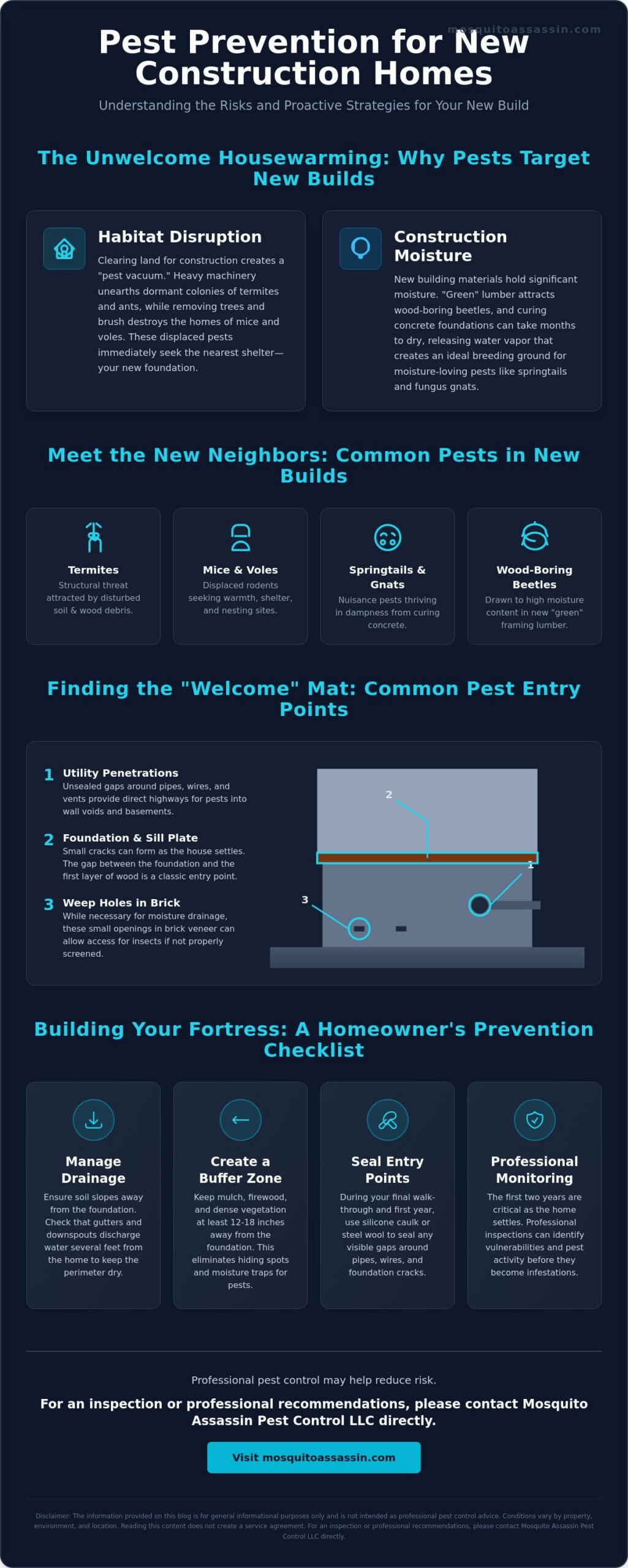
    A new home represents a fresh start for you, but for local wildlife, it’s a massive disruption of their established environment. When a wooded or grassy lot is cleared in Erie County, Crawford County, or Ashtabula County, the existing ecosystem is stripped away in days. This creates what professionals often call a pest vacuum. Local populations of insects and rodents don’t simply vanish; they seek the nearest available shelter, which often happens to be your rising foundation. Successfully preventing pests in a new construction home starts with recognizing that your building site is an active target from the moment the first shovel hits the dirt.

    To better understand this concept, watch this helpful video:

    During the framing stage, the site becomes even more attractive. Open structures allow nocturnal insects to be drawn in by high-intensity construction lights. These pests often find permanent hiding spots within the wall voids before the drywall is even hung. It’s a scientific reality that pests are looking for warmth and security, and a house under construction provides both in abundance. The combination of easy access and artificial light makes a framing-stage house irresistible to local insect populations.

    The Role of Habitat Disruption

    Habitat disruption is the primary driver for early-stage infestations because it forces established colonies to relocate immediately. When heavy machinery disturbs the soil, it often unearths dormant colonies of subterranean termites or ants that have lived on that lot for years. Removing trees and brush doesn’t just clear the view; it destroys the nesting sites of mice and voles. These displaced rodents will naturally migrate toward the warmth of a new basement or crawlspace to survive. Without their original dens, your subfloor and insulation become the next best thing.

    Moisture Management in New Materials

    New construction involves a surprising amount of water. Green lumber used in the framing process often carries a high moisture content, which is a specific attractant for various wood-boring beetles. As the house dries out over its first year, these insects may emerge from the wood. Concrete foundations also play a role. A standard concrete slab or basement wall can take months to cure fully, releasing gallons of water vapor into the air. This elevated humidity creates a perfect breeding ground for moisture-loving pests like springtails and fungus gnats.

    Site grading is another critical factor. If the soil isn’t sloped away from the foundation early in the process, rainwater can pool against the new masonry. This standing water invites mosquitoes and provides the damp conditions termites require to tunnel upward. Implementing principles of Integrated Pest Management (IPM) during the early phases of homeownership helps you monitor these moisture levels and address vulnerabilities before they become permanent problems. This methodical approach ensures your new investment remains secure from the ground up.

    Disclaimer: The information provided on this blog is for general informational purposes only and is not intended as professional pest control advice. Conditions vary by property, environment, and location. Reading this content does not create a service agreement. For an inspection or professional recommendations, please contact Mosquito Assassin Pest Control LLC directly.

    Common Pests in New Builds Across Pennsylvania and Ohio

    Homeowners in Erie and Ashtabula Counties face unique environmental challenges due to the high humidity and frequent lake-effect precipitation characteristic of the Great Lakes region. These climate factors significantly increase moisture-related risks for new properties. While a house is being built, it’s often exposed to the elements for weeks. This exposure creates a perfect habitat for specific local species that thrive in damp, disturbed environments. Successfully preventing pests in a new construction home requires identifying these regional threats before they establish a permanent presence in your crawl space or wall voids.

    Moisture-Loving Nuisance Pests

    Springtails and fungus gnats are among the most common early invaders in new builds. Springtails are tiny, jumping insects that often appear by the thousands near water sources or in damp basements where concrete is still curing. Fungus gnats typically emerge from the soil of indoor plants or damp crawl spaces, drawn to the fungi that grow on moist building materials. Another frequent visitor is the clover mite. These tiny red specks often migrate from freshly laid sod into the home interior, appearing on windowsills in large numbers after the final landscaping is completed. You can find more details on common household insects in Pennsylvania through regional extension resources to help with early identification.

    Structural and Wood-Destroying Organisms

    The most serious threats to a new investment are wood-destroying organisms like subterranean termites and carpenter ants. Subterranean termites don’t need much room to enter; they can pass through cracks in the foundation as thin as a credit card or follow utility penetrations into the structure. Carpenter ants are opportunistic and often establish satellite colonies in damp wall framing that was exposed to rain during the construction process. Because these pests work behind the scenes, their presence isn’t always obvious until structural damage has already occurred. The climate in Erie and Ashtabula counties specifically encourages these pests because the consistent moisture keeps wood soft and attractive for nesting.

    Rodents are equally opportunistic, taking advantage of gaps in the building envelope before the final sealing and siding are finished. Mice and rats can squeeze through openings the size of a dime, making unsealed vents and pipe entries easy targets. Establishing general pest control plans early in the first year of homeownership can help identify these structural vulnerabilities before they lead to a full-scale infestation. Proactive monitoring ensures that small gaps don’t become permanent highways for local wildlife.

    Disclaimer: The information provided on this blog is for general informational purposes only and is not intended as professional pest control advice. Conditions vary by property, environment, and location. Reading this content does not create a service agreement. For an inspection or professional recommendations, please contact Mosquito Assassin Pest Control LLC directly.

    Identifying Structural Vulnerabilities During and After Construction

    Even the most advanced building techniques in Erie and Ashtabula Counties can leave behind tiny openings that local pests are quick to exploit. These structural vulnerabilities are rarely the result of poor craftsmanship; instead, they often stem from the complex intersection of different building systems. Successfully preventing pests in a new construction home involves looking beyond the surface to find where utilities, foundations, and rooflines provide unintended access. Addressing these gaps during the first year of homeownership is a critical part of maintaining a secure property.

    Utility and Foundation Gaps

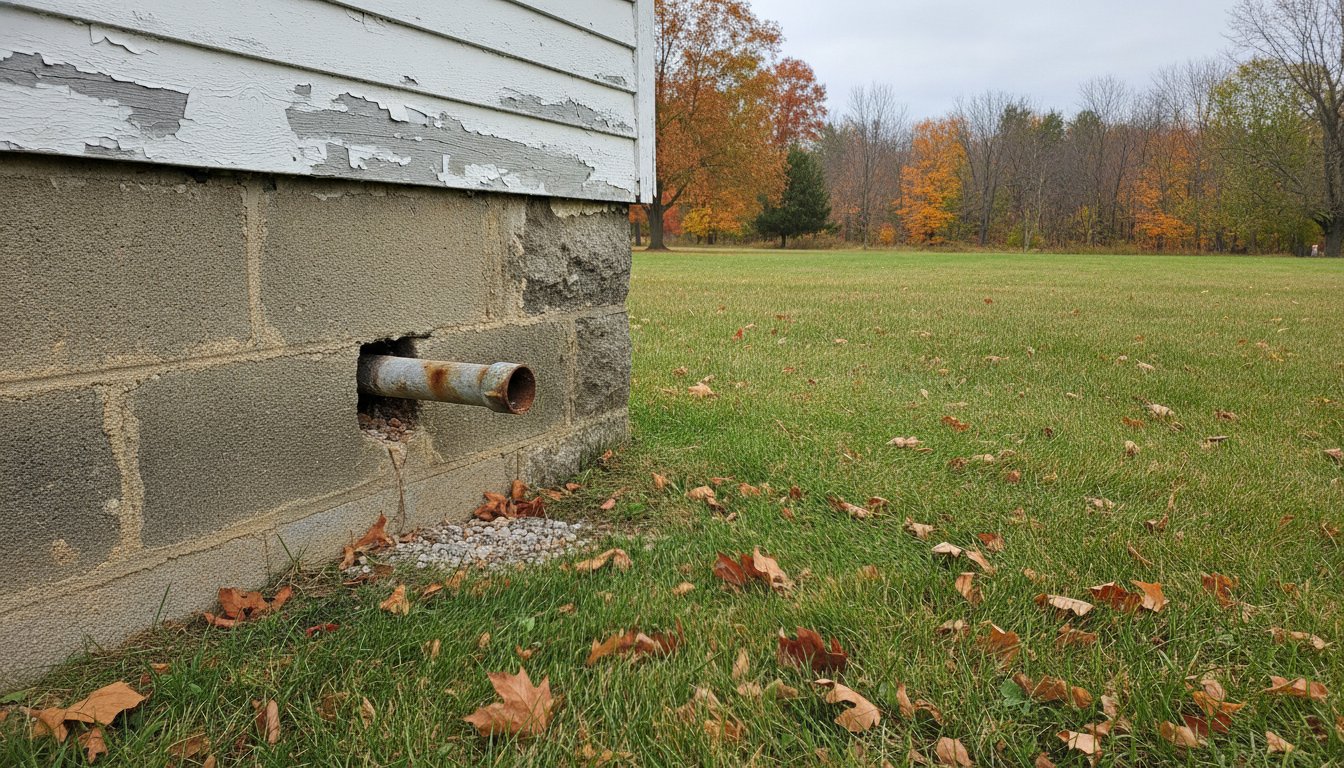
    Utility penetrations for plumbing, electricity, and HVAC systems are some of the most common entry points in new builds. Often, the holes cut for these lines are significantly larger than the pipes themselves. If these gaps aren’t properly sealed behind the wall or under the siding, they become permanent highways for insects and rodents. You should specifically check for gaps where the HVAC lines enter the exterior siding, as these are frequently overlooked during the final walk-through. A simple bead of silicone or specialized sealant can close these paths effectively.

    The foundation itself remains a dynamic part of the structure during the first year. As the house settles into the soil of Crawford or Erie County, small hairline cracks can develop in the masonry or concrete. While these are often non-structural, they are large enough for ants or spiders to navigate. It’s also vital to examine basement window wells. Ensure they are properly drained and clear of construction debris, as trapped moisture and organic matter provide a perfect staging ground for pests to move toward the foundation wall. Keeping these areas clean reduces the biological pressure on your home’s lower levels.

    The Building Envelope and Roofline

    The exterior finish of your home can also harbor hidden entries. For homes with brick veneers, weep holes are essential for moisture drainage, but they provide a direct path for insects if left unscreened. Installing specialized mesh covers allows the wall to breathe while keeping pests out. Additionally, garage door seals and thresholds often require adjustment in a settling home. If you notice light peeking through the bottom or sides of your garage door, the seal isn’t tight enough to stop a determined rodent. These seals often shift as the concrete slab cures and settles over several months.

    Higher up, the roofline presents its own set of risks. Roof eaves and soffit vents are prime targets for stinging insects, bats, and squirrels. Verify that all soffit vents are securely fastened to the structure to prevent wasps from nesting in the attic space. Inspect the seals around chimney flashing and roof peaks, as even a small gap can invite trouble. Addressing these high-altitude vulnerabilities is a key step in exclusion; otherwise, you might find yourself searching for rodent removal services sooner than expected. Taking the time to seal the building envelope completely protects your investment from the top down.

    Disclaimer: The information provided on this blog is for general informational purposes only and is not intended as professional pest control advice. Conditions vary by property, environment, and location. Reading this content does not create a service agreement. For an inspection or professional recommendations, please contact Mosquito Assassin Pest Control LLC directly.
    Preventing Pests in a New Construction Home: A Complete Guide

    Practical Prevention Strategies for New Homeowners

    Cleanliness alone does not stop invaders in a brand-new build. Many homeowners in Erie and Crawford Counties are surprised to find pests in a spotless kitchen shortly after moving in. This happens because preventing pests in a new construction home is primarily about managing environmental factors like moisture and shelter rather than food waste. Implementing a systematic approach to your property’s perimeter and interior humidity is the most effective way to protect your investment during its first year. By focusing on the structural environment, you address the biological reasons why pests are attracted to your home in the first place.

    Exterior Landscaping and Grading

    Maintaining a dry perimeter is the foundation of any exclusion strategy. Ensure that gutters are clear of construction debris and that downspouts direct water at least five to ten feet away from the home. If water saturates the soil near the foundation, it creates an inviting environment for subterranean termites. Proper grading is also essential; the soil should slope away from the foundation at a minimum grade of six inches over the first ten feet. This prevents water from pooling against the masonry. Additionally, the type of mulch you choose matters. While wood mulch is popular, it traps moisture and provides ideal cover for insects. Using gravel or stone borders in high-moisture areas creates a buffer zone that is less attractive to pests. Keep all shrubs and trees trimmed at least 12 inches away from the siding to eliminate natural bridges that ants or spiders use to bypass ground-level treatments.

    Interior Moisture and Humidity Control

    New homes go through a significant drying out phase as building materials like concrete and lumber cure. To assist this process in the climate of Ashtabula County, run dehumidifiers in basements and crawl spaces. Use a hygrometer to monitor these areas; keeping relative humidity levels below 50 percent is a standard goal for pest exclusion. High humidity attracts moisture-loving insects that have little interest in how clean your floors are. Consistently running exhaust fans in bathrooms and kitchens also helps reduce the overall moisture load. Regularly check under sinks and around water heaters for any signs of slow leaks that might go unnoticed in a new plumbing system.

    As the structure settles over the first 24 months, use high-quality caulk or expandable foam to seal any new interior or exterior gaps that appear. This is a dynamic process that requires periodic inspection as the house shifts. For those who want a professional eye to identify these shifting vulnerabilities, general pest control plans can provide the consistent monitoring necessary to catch entry points before they are exploited. Proactive maintenance ensures that your new home remains the secure environment you intended it to be.

    Disclaimer: The information provided on this blog is for general informational purposes only and is not intended as professional pest control advice. Conditions vary by property, environment, and location. Reading this content does not create a service agreement. For an inspection or professional recommendations, please contact Mosquito Assassin Pest Control LLC directly.
    Establishing a Long-Term Pest Management Plan

    The first two years of a home’s life are a period of significant transition. As the foundation settles and building materials reach their final equilibrium with the local climate in Northwest Pennsylvania and Northeast Ohio, new vulnerabilities often emerge. Successfully preventing pests in a new construction home is not a one-time event; it’s a continuous process of monitoring and adaptation. While the initial exclusion steps mentioned in previous sections provide a strong defense, a long-term strategy ensures that the natural shifting of your home doesn’t create new opportunities for local wildlife or wood-destroying insects.

    The Importance of Professional Monitoring

    A professional eye is trained to see subtle signs that most homeowners miss. Licensed professionals can identify the early tracks of subterranean termites or the specific foraging patterns of carpenter ants before they result in structural damage. This is particularly vital as your house settles, as even a hairline crack in a basement wall or a slight shift in a door frame can invite an infestation. Engaging in general pest control provides the benefit of ongoing maintenance and expert eyes on your property throughout the year. Professional pest control may help reduce risk for homeowners in Northwest Pennsylvania and Northeast Ohio by addressing these structural changes in real time.

    Year-round protection plans are designed to address the specific seasonal migrations of the Tri-State area. From the emergence of spring swarms to the late-autumn push of rodents seeking warmth, a consistent plan provides a permanent barrier that DIY methods often miss. These plans typically include regular inspections of the building envelope, foundation, and utility penetrations to ensure that previous exclusion work remains intact and effective. This methodical approach transforms your home from a target of opportunity into a secure fortress.

    Transitioning from Construction to Homeownership

    The ideal time to formalize your long-term plan is immediately after all landscaping is finalized. Fresh sod, new mulch, and newly planted shrubs significantly alter the moisture profile and pest pressure of your lot. You should schedule a thorough post-construction inspection once the heavy machinery is gone and the final grading is complete. This allows for a final check of all weep holes, soffit vents, and utility entries that may have been disturbed during the final stages of building. A customized plan can then be developed based on the specific environmental factors of your property lot, whether you are near the wooded areas of Crawford County or the humid lakefront in Ashtabula County.

    Taking this final step secures your investment and provides peace of mind as you settle into your new space. For an inspection or professional recommendations, please contact Mosquito Assassin Pest Control LLC directly. By establishing a professional partnership early, you ensure that your new home remains pest-free for years to come.

    Disclaimer: The information provided on this blog is for general informational purposes only and is not intended as professional pest control advice. Conditions vary by property, environment, and location. Reading this content does not create a service agreement. For an inspection or professional recommendations, please contact Mosquito Assassin Pest Control LLC directly.
    Protecting Your New Investment for the Long Term

    Protecting your property starts with recognizing that a new build is a dynamic structure. The combination of habitat disruption and curing building materials creates a unique environment that draws in local pests. Successfully preventing pests in a new construction home requires a methodical approach to sealing utility penetrations and managing perimeter moisture as the house settles into the landscape of Erie, Crawford, or Ashtabula County.

    If you don’t address these vulnerabilities early, minor gaps can quickly become permanent entry points. Utilizing local expertise and a detailed three-step process for rodent exclusion ensures your building envelope remains secure. For total peace of mind, Platinum year-round protection plans offer consistent monitoring during the critical first years of homeownership. Professional pest control may help reduce risk and keep your living space exactly as you intended it. Contact Mosquito Assassin Pest Control LLC for a professional evaluation to secure your new home today.

    Disclaimer: The information provided on this blog is for general informational purposes only and is not intended as professional pest control advice. Conditions vary by property, environment, and location. Reading this content does not create a service agreement. For an inspection or professional recommendations, please contact Mosquito Assassin Pest Control LLC directly.

    Frequently Asked Questions

    Is it normal to have bugs in a brand-new house?

    Yes, it is very common to see insects in a newly finished property. The construction process disrupts local habitats and uses materials like green lumber and curing concrete that are naturally high in moisture. These factors create an immediate draw for local species searching for new shelter after their original nesting sites were disturbed by heavy machinery.

    Should I get a termite inspection for a new construction home?

    You should definitely schedule a termite inspection for a new build. While many builders apply a pre-treatment to the soil, the house settling can create new cracks in the foundation that bypass these initial barriers. Additionally, many lenders for FHA and VA loans require official documentation of a termite inspection as a condition of the mortgage to protect the investment.

    How do pests get inside a newly built, airtight home?

    Pests enter through tiny gaps that are often invisible to the naked eye. Utility penetrations for HVAC and plumbing lines often have oversized openings behind the walls that aren’t fully sealed. Weep holes in brick veneers and gaps in the roof eaves also provide direct access points that allow insects to bypass the airtight seals of modern windows and doors.

    What are the tiny jumping bugs in my new basement?

    These are likely springtails, which are moisture-loving insects that thrive in damp environments. They are attracted to the high humidity levels found in new basements as concrete foundations release water vapor during the curing process. Successfully preventing pests in a new construction home involves reducing this basement humidity with dehumidifiers to make the area less hospitable to these jumping invaders.

    Does homebuilders insurance cover pest infestations?

    Most standard homebuilder warranties and insurance policies do not cover pest infestations. These policies typically focus on structural defects or appliance failures rather than biological issues like insects or rodents. It’s the homeowner’s responsibility to maintain a prevention plan to protect the property from damage caused by wood-destroying organisms or local wildlife once the keys are handed over.

    How long does it take for a new home to “dry out” and stop attracting moisture-loving pests?

    It generally takes 18 to 24 months for a new home to fully reach moisture equilibrium with its environment. During this period, concrete foundations and framing lumber are slowly releasing trapped water into the air. This extended dry out phase is why many moisture-loving pests persist through the first two years of homeownership before the environment naturally stabilizes.

    Can landscaping choices cause pest problems in a new build?

    Landscaping choices are a frequent cause of pest issues in new builds. Fresh sod can bring in clover mites, while thick layers of wood mulch against the foundation trap the moisture that termites require to thrive. Ensuring that soil and plants are kept away from the siding is a vital part of preventing pests in a new construction home as your yard matures.

    When is the best time to start a pest control plan for a new home?

    The best time to start a plan is immediately after you move in or once the final landscaping is installed. Establishing professional monitoring during the first year allows you to catch structural vulnerabilities as the house settles into the soil. Early intervention ensures that temporary construction-related issues don’t turn into long-term infestations that could damage your new space.

    Disclaimer: The information provided on this blog is for general informational purposes only and is not intended as professional pest control advice. Conditions vary by property, environment, and location. Reading this content does not create a service agreement. For an inspection or professional recommendations, please contact Mosquito Assassin Pest Control LLC directly.

  • How to Keep Spiders Out of the Basement: A Complete Prevention Guide (2026)

    How to Keep Spiders Out of the Basement: A Complete Prevention Guide (2026)

    Effective spider control is not about chasing individual pests with a broom; it is about transforming your basement from a hospitable habitat into an impenetrable zone. For many residents in Erie and Crawford Counties in Pennsylvania, and Ashtabula County in Ohio, the basement is a vital storage or living space that quickly becomes uncomfortable when sticky webs and scurrying shadows take over. You deserve a home where you can reach for a holiday decoration or a laundry basket without the fear of a surprise encounter. Understanding how to keep spiders out of the basement starts with recognizing why they are there in the first place and how to block their entry points permanently.

    You likely already know that spiders are drawn to dark, quiet corners, but you might not realize that their presence is often a symptom of a larger environmental issue. This guide explores professional strategies to identify the species common to our region, such as the long-bodied cellar spider or the wolf spider, while providing practical steps to exclude them throughout the year. You will discover how to address moisture levels, eliminate food sources, and apply professional-grade prevention techniques. By the end of this article, you will have the knowledge needed to maintain a spider-free environment and protect the wellbeing of your household.

    Disclaimer: The information provided on this blog is for general informational purposes only and is not intended as professional pest control advice. Conditions vary by property, environment, and location. Reading this content does not create a service agreement. For an inspection or professional recommendations, please contact Mosquito Assassin Pest Control LLC directly.
    Key Takeaways

    • Understand the predator-prey relationship that drives arachnids into dark, humid basement microclimates in search of food.
    • Discover how to keep spiders out of the basement by physically blocking entry points, with a specific focus on the sill plate and foundation gaps.
    • Identify common regional species like the long-bodied cellar spider and learn why wolf spiders become more active during autumn temperature drops.
    • Reduce the attractiveness of your storage areas by managing moisture levels and adopting organization habits that eliminate potential nesting sites.
    • Recognize the signs that indicate a need for professional pest management to address seasonal shifts and persistent infestations effectively.

    Understanding Why Spiders Are Attracted to Basements

    Spiders are calculated predators. They don’t enter your home to cause distress; they enter because your basement offers a reliable buffet of smaller insects. If you want to master how to keep spiders out of the basement, you must first understand the biological drive behind their presence. They are active hunters that follow their food source through foundation cracks, gaps around utility lines, and window wells. In our local region, seasonal shifts often drive these insects indoors as they seek a stable environment to survive and hunt.

    A heavy spider presence is usually an indicator of a larger pest problem. Common species like the American house spider (Parasteatoda tepidariorum) thrive in environments where they can build webs undisturbed. If you see numerous webs, it means the spiders are successfully catching prey like flies, beetles, or silverfish. Identifying this “prey connection” is the foundational step in any successful management plan. By addressing the insects that spiders eat, you naturally reduce the spider population as well.

    To better understand how these pests find their way inside, watch this helpful video:

    The Role of Moisture and Humidity

    High humidity levels are a primary attractant for the insects that spiders hunt. In the regional climates of Erie and Ashtabula, basements often trap moisture, creating a perfect microclimate for moisture-loving pests like sowbugs, centipedes, and silverfish. Condensation on cold water pipes or damp concrete walls provides necessary hydration for many arachnid species. These stable, humid conditions also ensure that delicate egg sacs remain viable, allowing the population to expand rapidly in sub-grade spaces. Improving airflow and reducing dampness is a scientific way to make your home less inviting to the entire food chain.

    Darkness and Lack of Disturbance

    Basements are typically the least visited areas of a home, providing the seclusion spiders crave. They require quiet spots for web construction and hunting where they won’t be threatened by larger predators or human activity. Cluttered corners, stacks of old newspapers, and cardboard storage boxes offer excellent harborage, giving spiders plenty of places to hide and lay eggs. Because these areas see low foot traffic, a small infestation can quickly escalate into a significant problem before it’s even noticed. Professional exclusion methods focus on removing these hiding spots and sealing entry points to disrupt the spider’s life cycle and prevent future arrivals.

    Disclaimer: The information provided on this blog is for general informational purposes only and is not intended as professional pest control advice. Conditions vary by property, environment, and location. Reading this content does not create a service agreement. For an inspection or professional recommendations, please contact Mosquito Assassin Pest Control LLC directly.

    Identifying Common Basement Spiders in Pennsylvania and Ohio

    Residents in the Great Lakes region face specific seasonal challenges that dictate pest behavior. In Erie and Ashtabula, the transition from humid summers to the crisp, cooling temperatures of autumn triggers a noticeable migration of arachnids into residential structures. To master how to keep spiders out of the basement, you must first identify which species are common to our local environment. Understanding whether you are dealing with a stationary web-builder or an active roaming hunter determines the most effective exclusion strategy.

    The Long-bodied Cellar Spider (Pholcus phalangioides) is the most frequent inhabitant of sub-grade spaces in our area. These spiders are easily identified by their extremely long, delicate legs and their tendency to vibrate violently in their webs when they feel threatened. While they are often called “daddy longlegs,” they are true spiders that prefer the dark, damp corners of a typical Pennsylvania foundation. They are prolific web-builders, but their webs are messy and unstructured compared to the symmetrical designs seen in gardens.

    Cellar Spiders vs. Cobweb Spiders

    It is helpful to distinguish between cellar spiders and common cobweb spiders. While both create tangled webs, cobweb spiders are generally smaller with more bulbous abdomens. They are responsible for the classic “dusty” webs found in ceiling joists and around basement windows. According to research on Commonly Encountered Pennsylvania Spiders, these species are highly adapted to indoor life and can persist year-round if food sources like gnats or fruit flies are available. Identifying these species by their web structure helps you pinpoint where moisture or light might be attracting their prey.

    Ground Spiders and Wolf Spiders

    Wolf Spiders (Lycosidae) represent a different challenge because they do not build webs to catch food. Instead, they are robust, agile hunters that stalk their prey across the floor. They are often mistaken for more dangerous species due to their large size and hairy appearance, but they are generally harmless to humans. These spiders typically enter Crawford County homes through gaps at the ground level, such as under basement doors or through damaged window screens. Because they are more active during seasonal transitions, you might notice a surge in sightings during the first frost of the year.

    Another regional resident is the Yellow Sac Spider, which is unique for its hunting habits. Rather than a traditional web, these spiders spin small, silken tubes or “sacs” in the corners of walls or ceilings to hide during the day. They are active night hunters that roam widely. If you frequently encounter these silken retreats, professional pest control may help reduce risk by identifying the specific environmental factors favoring their survival. Consistent monitoring and proper identification are the first steps toward a more secure, spider-free home.

    Disclaimer: The information provided on this blog is for general informational purposes only and is not intended as professional pest control advice. Conditions vary by property, environment, and location. Reading this content does not create a service agreement. For an inspection or professional recommendations, please contact Mosquito Assassin Pest Control LLC directly.
    Effective Exclusion Techniques to Seal Entry Points

    Exclusion is the process of physically blocking pests from entering your living space. It is the most reliable method for long-term control. While many homeowners focus on treating spiders they already see, the professional approach prioritizes stopping them at the perimeter. Understanding how to keep spiders out of the basement requires a methodical inspection of your home’s exterior to identify every possible entry point, no matter how small.

    The most critical area to inspect is the sill plate. This is the point where the wooden frame of your house meets the concrete or masonry foundation. Over time, the settling of the structure or the natural expansion and contraction of materials can create narrow gaps. Spiders and their prey utilize these spaces as primary highways into your home. A practical way to find these vulnerabilities is to conduct a “light leak” test. During a bright day, turn off all basement lights and look for any slivers of daylight entering through the foundation walls or joists. These light leaks are direct invitations for pests.

    Choosing the right materials is essential for success in the Great Lakes region. Our local climate in Erie and Ashtabula experiences intense freeze-thaw cycles that can cause cheap fillers to crack or peel within a single season. Use high-quality silicone-based sealants that remain flexible and adhere well to both wood and concrete. As noted in this guide on Spiders in the Home, non-chemical methods like sealing entry points are often the most effective way to manage populations without relying solely on reactive measures.

    Sealing the Foundation and Utility Lines

    Small cracks in masonry or concrete should be filled immediately to prevent them from widening. Pay close attention to where utility lines enter the structure. Gas lines, water pipes, and electrical conduits often have gaps around them that were never properly sealed during construction. For these areas, follow these steps:

    • Apply silicone caulk: Use this for small cracks or narrow gaps around wires.
    • Utilize copper mesh: Stuff copper mesh into larger openings around pipes before sealing them. Spiders and rodents find it difficult to push through this material.
    • Expandable foam: Use this with caution for large, irregular cavities. Ensure you use a “pest-resistant” variety that won’t be easily degraded by environmental factors.

    Maintaining Doors and Windows

    Ground-level entry points are the easiest paths for roaming hunters like wolf spiders. Basement doors often lack proper seals, allowing pests to crawl directly inside. Install heavy-duty door sweeps on all exterior basement doors to close the gap between the door and the threshold. Additionally, inspect your basement window screens. Screens must be tightly fitted and free of even the smallest tears. Replace worn weatherstripping around window frames to eliminate gaps as thin as a credit card, as many small spider species can compress their bodies to fit through surprisingly tight spaces.

    Disclaimer: The information provided on this blog is for general informational purposes only and is not intended as professional pest control advice. Conditions vary by property, environment, and location. Reading this content does not create a service agreement. For an inspection or professional recommendations, please contact Mosquito Assassin Pest Control LLC directly.

    How to Keep Spiders Out of the Basement: A Complete Prevention Guide (2026)

    Addressing Environmental Factors That Invite Arachnids

    While physical exclusion blocks the primary entry points, environmental management ensures that any spiders slipping through the perimeter don’t find a reason to stay. A hospitable basement provides three necessities: food, water, and shelter. Removing these elements is a core principle of Integrated Pest Management. For homeowners in Crawford County, this often begins with managing the immediate exterior landscape to break the “bridge” between nature and the home. Overhanging branches or dense shrubs touching the foundation act as natural ramps for arachnids and their prey. Maintain a clear zone of at least 12 to 18 inches between your home’s foundation and any vegetation to reduce this biological pressure.

    Implementing a strict cleaning schedule is another vital step in learning how to keep spiders out of the basement. Spiders prefer environments where they can remain undisturbed for long periods. By regularly vacuuming corners, floor joists, and the spaces behind appliances, you physically disrupt web formation and remove egg sacs before they hatch. This consistent disturbance makes the basement an unattractive habitat for colonization. If environmental modifications and cleaning aren’t providing the level of relief you need, general pest control plans can offer a more comprehensive approach to protecting your property.

    Moisture Control and Dehumidification

    Spiders are highly sensitive to humidity, as are the smaller insects they hunt. High moisture levels in sub-grade spaces support the life cycles of silverfish, sowbugs, and centipedes. To effectively manage this factor, maintain basement humidity levels below 50 percent using a high-capacity dehumidifier. This dry air desiccates the soft-bodied insects that spiders rely on for food, naturally driving the predators away. Address any plumbing leaks or damp foundation walls immediately. In the regional climate of Ashtabula and Erie, heavy rains can saturate the soil. Ensure your downspouts direct water at least six feet away from the foundation to prevent moisture from seeping through the masonry and creating damp microclimates.

    Clutter Management and Storage Solutions

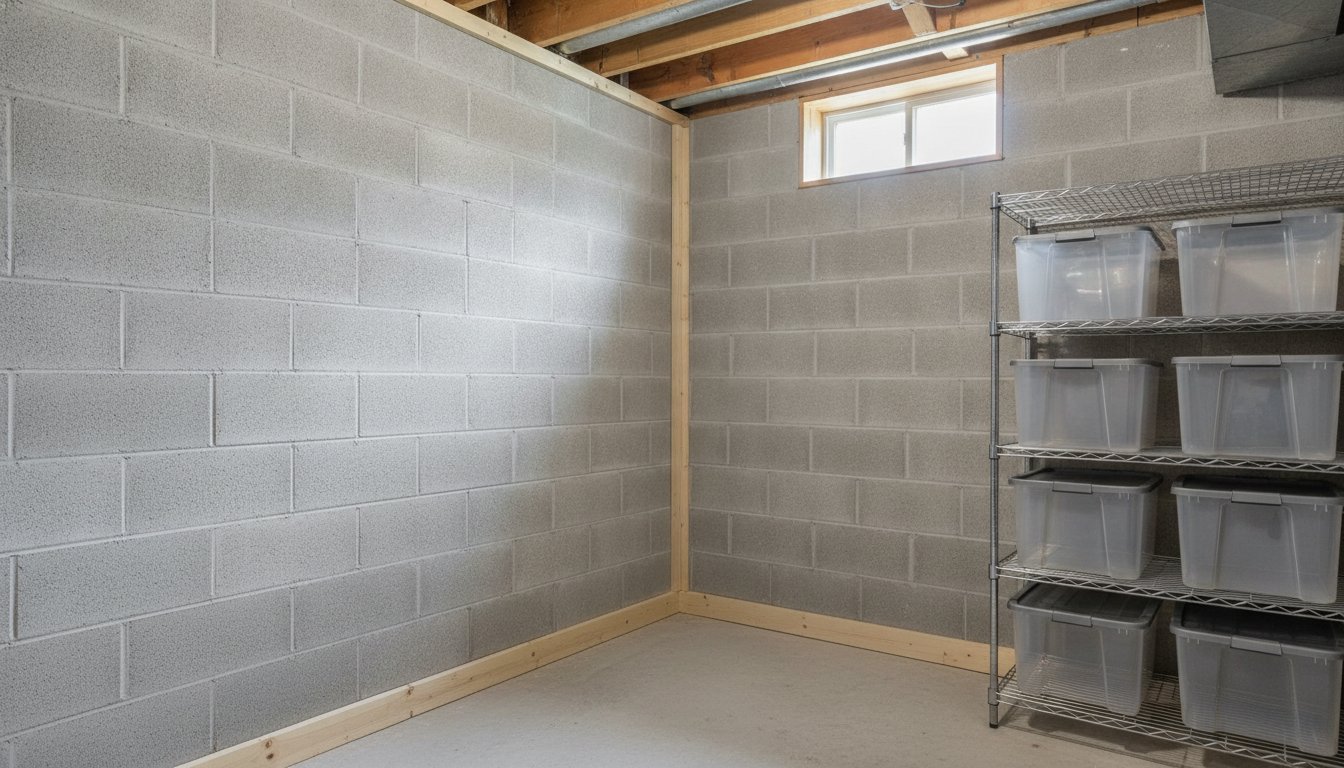
    Clutter provides “harborage,” which are the safe, dark hiding spots spiders crave for nesting and hunting. Cardboard boxes are particularly problematic in basements because they can absorb moisture and provide narrow gaps that are perfect for egg-laying. Replace these with airtight plastic bins. These containers are impossible for spiders to penetrate and eliminate the nesting sites often found in traditional storage. Keep all storage items off the floor and away from walls by using metal shelving units. This creates open space that spiders find difficult to navigate without being exposed to predators or cleaning efforts. By elevating your belongings, you eliminate the quiet, dark “dead zones” where spider populations typically grow without interruption.

    Disclaimer: The information provided on this blog is for general informational purposes only and is not intended as professional pest control advice. Conditions vary by property, environment, and location. Reading this content does not create a service agreement. For an inspection or professional recommendations, please contact Mosquito Assassin Pest Control LLC directly.

    When to Consult Professional Pest Management in Erie and Ashtabula

    While basic maintenance and exclusion techniques are effective for minor issues, professional intervention is necessary when sightings persist despite your best efforts. Learning how to keep spiders out of the basement is often a collaborative effort between diligent homeowners and expert technicians. If you continue to find new webs within days of cleaning or notice a variety of different species, it usually indicates a well established food chain within the structure. Licensed professionals utilize specialized tools to identify specific entry points that are often invisible to the untrained eye, such as hairline fractures in the mortar or gaps behind siding.

    The most effective approach to long term management is Integrated Pest Management (IPM). This scientific methodology focuses on long term prevention by addressing the root causes of an infestation rather than just reacting to individual pests. By combining physical exclusion with targeted treatments, a professional plan creates a multi layered defense around your home. This process ensures that the basement remains a clean, secure part of your living space throughout the changing seasons in Pennsylvania and Ohio.

    The Benefits of Year-Round Protection

    Ongoing management is the most reliable way to maintain a pest free environment. Spiders are active year round, though their visibility changes with the weather. A consistent protection plan addresses these seasonal shifts, ensuring that the perimeter of your home is reinforced before the first frost or the spring thaw. Regular inspections do more than just manage arachnids; they help catch potential issues with rodents or ants before they escalate into costly problems. Professional pest control may help reduce risk by maintaining a proactive barrier that stops pests before they ever cross your threshold. You can learn more about general pest control to understand how comprehensive safety plans protect your entire property.

    Localized Expertise for PA and OH Homeowners

    Homeowners in Erie, Crawford, and Ashtabula counties face unique architectural and environmental challenges. Many regional homes feature older foundations, stone walls, or crawl spaces that require specific expertise to secure. Professionals in our area understand the specific challenges of the local climate and how high lake effect humidity impacts pest behavior. Customized treatment plans are tailored to these regional factors, ensuring that the methods used are appropriate for your specific foundation type and surrounding landscape. For professional recommendations or a thorough inspection of your property, visit the Mosquito Assassin location page to connect with a dependable local expert who understands your community’s needs.

    Disclaimer: The information provided on this blog is for general informational purposes only and is not intended as professional pest control advice. Conditions vary by property, environment, and location. Reading this content does not create a service agreement. For an inspection or professional recommendations, please contact Mosquito Assassin Pest Control LLC directly.

    Achieving a Secure and Spider-Free Basement

    Maintaining a pest-free home in Erie, Crawford, and Ashtabula Counties requires a proactive stance against the biological factors that attract arachnids. By addressing the “prey connection” and reducing basement moisture levels, you disrupt the entire food chain that supports these predators. Physically sealing entry points at the foundation and sill plate remains the most effective long-term strategy for anyone learning how to keep spiders out of the basement. Consistently managing clutter and storage further ensures that any spiders entering the structure find no place to hide or reproduce.

    When DIY efforts reach their limit, turning to licensed and insured professionals ensures that every vulnerability is identified and reinforced. Year-round protection plans provide a consistent barrier that adapts to the specific seasonal shifts of the Great Lakes region. For an inspection or professional recommendations, please contact Mosquito Assassin Pest Control LLC directly. Reclaiming your storage space and living areas from uninvited guests is entirely possible with a methodical approach and the right local expertise. Your home should be a place of comfort and security for your entire family.

    Disclaimer: The information provided on this blog is for general informational purposes only and is not intended as professional pest control advice. Conditions vary by property, environment, and location. Reading this content does not create a service agreement. For an inspection or professional recommendations, please contact Mosquito Assassin Pest Control LLC directly.

    Frequently Asked Questions

    How do I get rid of spiders in my basement permanently?

    Permanent spider control requires a combination of physical exclusion and consistent habitat modification. You must seal every foundation crack and utility gap to stop new arrivals while simultaneously removing the food sources that sustain existing populations. Because spiders are highly mobile, a one-time treatment is rarely enough; ongoing maintenance of the home’s exterior perimeter is the most reliable way to ensure they don’t return.

    What is the best spider repellent for basements?

    The most effective “repellent” is a physical barrier created by high-quality sealants and weatherstripping. While over-the-counter sprays exist, they often provide only temporary relief. Professional-grade perimeter treatments applied by licensed technicians create a long-lasting chemical barrier that deters spiders and their prey from crossing the threshold. This approach is far more effective than interior foggers or retail products.

    Why do I have so many spiders in my basement suddenly?

    A sudden surge in spider activity is typically triggered by seasonal temperature drops or an increase in prey insects. In Erie and Ashtabula, the first frost often drives spiders indoors as they seek a stable environment. Alternatively, a sudden hatch of flies, moths, or beetles in your basement provides an immediate food source that encourages spiders to congregate and reproduce more rapidly.

    Are the spiders in my basement dangerous?

    Most spiders found in Pennsylvania and Ohio basements, such as cellar spiders and wolf spiders, are medically insignificant and pose no real danger to humans. While there are over 40 species of spiders in Ohio, only the black widow and the brown recluse are considered significant risks. If you suspect either of these species is present, professional pest control may help reduce risk and provide proper identification.

    Can a dehumidifier help get rid of spiders?

    Yes, running a dehumidifier is a highly effective secondary control method. By maintaining humidity levels below 50 percent, you create an environment that is too dry for many common prey insects like silverfish and sowbugs. When the food supply disappears, the spiders will either perish or leave the area in search of better hunting grounds. This is a critical step in how to keep spiders out of the basement long-term.

    How often should I have my basement inspected for pests?

    Annual or semi-annual inspections are recommended for most residential properties in our region. However, quarterly visits are the industry standard for those enrolled in year-round protection plans. Frequent checks allow professionals to identify seasonal vulnerabilities, such as new foundation cracks or shifting door seals, before they lead to a full-scale infestation. Regular monitoring ensures your basement remains a secure, pest-free environment.

    Does peppermint oil actually keep spiders away?

    Peppermint oil is a popular DIY deterrent, but its efficacy is limited and short-lived. While the strong scent may briefly discourage spiders from a specific corner, it doesn’t provide a structural solution or address the underlying reasons for their presence. It lacks the residual power and scientific formulation of professional treatments. Relying solely on essential oils often allows an infestation to grow unchecked in areas you can’t reach.

    What do spiders in the basement eat?

    Spiders are generalist predators that eat almost any smaller insect or arthropod they can catch. Their basement diet primarily consists of flies, gnats, moths, beetles, and moisture-loving pests like silverfish or centipedes. If you have a large spider population, it’s a definitive sign that there’s a significant population of these other insects living in your home’s foundation or storage areas.

    Disclaimer: The information provided on this blog is for general informational purposes only and is not intended as professional pest control advice. Conditions vary by property, environment, and location. Reading this content does not create a service agreement. For an inspection or professional recommendations, please contact Mosquito Assassin Pest Control LLC directly.

  • Termite Treatment Cost Erie PA: Understanding the Factors in 2026

    Termite Treatment Cost Erie PA: Understanding the Factors in 2026

    Did you know that termite damage costs property owners across the United States more than $5 billion every single year? In Northwest Pennsylvania, the combination of high humidity near Lake Erie and the region’s moderate to heavy infestation probability makes wood-destroying insects a constant concern. It’s understandable to feel anxious about hidden structural damage or confused by the various remediation methods available on the market.

    You deserve a clear path to protecting your investment without the stress of the unknown. This guide breaks down the specific structural and environmental variables that determine the termite treatment cost Erie PA residents encounter in 2026. By understanding these factors, you can move forward with confidence in your property’s long-term security.

    The following sections explore how different foundation types impact labor requirements and why local moisture levels dictate specific professional strategies. From the challenges of slab foundations to the complexities of crawl spaces in Erie and Crawford Counties, you’ll gain the knowledge needed to evaluate a professional remediation plan effectively.

    Disclaimer: The information provided on this blog is for general informational purposes only and is not intended as professional pest control advice. Conditions vary by property, environment, and location. Reading this content does not create a service agreement. For an inspection or professional recommendations, please contact Mosquito Assassin Pest Control LLC directly.

    Key Takeaways

    • Identify how your home’s total linear footage and the specific species of wood-destroying insects dictate the overall scope of remediation.
    • Discover why certain foundation types, such as slab-on-grade or crawl spaces, require specialized labor like precision drilling or internal trenching.
    • Gain clarity on the termite treatment cost Erie PA property owners face by comparing the intensive labor of liquid barriers against the long-term monitoring of baiting systems.
    • Learn the difference between a standard assessment and a formal WDI report to ensure your budget is based on the exact location and extent of the colony.
    • Understand how integrating termite monitoring into a year-round protection plan can prevent the catastrophic financial impact of untreated structural damage.

    Primary Variables That Determine Termite Treatment Cost in Erie PA

    Understanding the termite treatment cost Erie PA property owners face begins with looking at the physical footprint of the building. Most people think about square footage, but professional remediation focuses on the linear footage of the foundation perimeter. This is because subterranean termites enter from the soil, requiring a continuous protective zone around the base of the home. If there are gaps in this line, the entire structure remains vulnerable.

    Beyond size, the complexity of the site plays a major role. The depth and type of soil surrounding your structure determine how easily liquid agents can be applied. In some parts of Northwest Pennsylvania, rocky or highly compacted clay soils require more labor intensive preparation compared to looser, sandy loams. Additionally, the presence of secondary structures like decks, patios, or detached garages increases the total area that needs protection.

    To gain a clearer perspective on how these initial assessments impact your budget, watch this helpful video:

    Linear Footage vs. Total Square Footage

    Square footage tells you about the interior living space, but linear footage measures the actual path of entry. A sprawling ranch home has a much larger foundation perimeter than a multi-level colonial with the same square footage. Consequently, the ranch home requires more material and more labor to establish a complete barrier. This perimeter length directly scales the volume of treatment agents needed to ensure no gaps remain for pests to exploit. Some properties may also incorporate physical termite barriers during construction or renovation, which can alter the approach for future remediation.

    The Influence of Local Climate and Moisture

    Northwest Pennsylvania presents unique challenges due to its proximity to Lake Erie. The high humidity levels and frequent lake-effect precipitation create ideal breeding grounds for Eastern subterranean termites. These colonies thrive in moist soil; excess water near the foundation can actually dilute or wash away some liquid treatments over time. This makes the termite treatment cost Erie PA residents pay a reflection of the local environmental pressure.

    Properties in flood prone areas or those with poor drainage often require more frequent monitoring and specialized biological agents to remain effective. High soil moisture doesn’t just attract termites; it allows colonies to grow larger and more aggressive. This environmental pressure often necessitates a more robust intervention plan than what might be required in a drier climate. Professional pest control may help reduce risk by addressing these moisture concerns during the initial assessment.

    Disclaimer: The information provided on this blog is for general informational purposes only and is not intended as professional pest control advice. Conditions vary by property, environment, and location. Reading this content does not create a service agreement. For an inspection or professional recommendations, please contact Mosquito Assassin Pest Control LLC directly.

    Foundation Types and Accessibility in Northwest Pennsylvania

    The structural design of a home is often the most significant variable in determining the final termite treatment cost Erie PA property owners receive. Unlike modern construction that follows standardized codes, the architecture in Northwest Pennsylvania ranges from mid-century slab-on-grade homes to century-old structures with fieldstone foundations. Each foundation type presents unique hurdles for a remediation team, as accessibility dictates the amount of labor and specialized equipment required for a successful application.

    Slab Foundations and Precision Drilling

    Slab-on-grade foundations create a unique challenge because the wood-to-soil contact point is hidden beneath several inches of concrete. To reach the soil where Eastern subterranean termites reside, technicians must perform precision drilling. This involves creating a series of small, strategically placed holes through the floor at regular intervals along the perimeter.

    Each hole allows for the injection of liquid termiticide directly into the critical entry zones. The number of drill holes required increases both the labor hours and the wear on specialized equipment. After the application is complete, professionals carefully patch the holes to match the existing surface, ensuring the structural integrity and aesthetic of the slab remain intact. When choosing between different termite control methods, the necessity of drilling is a major factor in labor estimates.

    Crawl Space and Basement Challenges

    Crawl spaces and basements in Erie and Crawford Counties often require internal perimeter treatments to achieve total protection. Maneuvering in confined spaces is physically demanding and significantly slows the remediation process. Technicians must often perform internal trenching, which involves digging a shallow channel along the interior foundation wall to apply the treatment agents.

    During this process, existing moisture barriers or insulation may need to be temporarily moved or managed. This is particularly important in our region, where high humidity levels can lead to mold issues if barriers aren’t handled correctly. For homes with older fieldstone foundations, the porous nature of the rocks and mortar makes it easier for pests to find entry points, requiring a more meticulous and time-consuming application. Ensuring every crack and crevice is treated is essential for a definitive resolution. If you’re concerned about the specific accessibility of your home’s foundation, professional termite inspections and treatment can provide a clear assessment of the work required.

    Basement structures with finished walls add another layer of complexity. Treating these areas often requires removing sections of drywall or drilling through finished flooring, which demands a high level of precision to minimize disruption. The goal is always to create a continuous barrier that prevents termites from bypassing the treated zone through hidden gaps in the foundation. This level of technical detail is why the termite treatment cost Erie PA property owners pay is often tied directly to the time spent ensuring no entry point is overlooked.

    Disclaimer: The information provided on this blog is for general informational purposes only and is not intended as professional pest control advice. Conditions vary by property, environment, and location. Reading this content does not create a service agreement. For an inspection or professional recommendations, please contact Mosquito Assassin Pest Control LLC directly.

    Evaluating Treatment Methods and Technological Labor

    Choosing the right defense strategy is a technical decision that impacts both immediate labor and long-term property protection. The termite treatment cost Erie PA property owners evaluate often comes down to a choice between immediate, high-intensity labor and ongoing, technology-driven monitoring. Each method requires specialized equipment, such as sub-slab injectors for concrete foundations and heavy-duty trenching tools for soil applications. These tools are necessary to ensure the remediation agents reach the subterranean colonies that thrive in our moist, regional soil.

    Liquid Soil Barriers: A Labor-Intensive Approach

    Establishing a liquid barrier is a physically demanding process that involves trenching around the entire foundation. Technicians must dig a channel in the soil, usually six inches deep and six inches wide, to ensure the liquid agent reaches the footer of the foundation. This creates a continuous curtain of treated soil that termites cannot penetrate. The material costs for these applications are significant because they require high volumes of liquid to saturate the soil properly and create a reliable zone of protection.

    While the initial labor is intensive, a professionally applied liquid barrier typically maintains its effectiveness for several years. However, the durability of this barrier depends heavily on local soil composition and moisture levels. In Northwest Pennsylvania, where heavy lake-effect snow and rain are common, soil shifting or excessive saturation can occasionally disrupt the barrier’s continuity. As noted by the EPA, professional termite inspections are vital for verifying that these barriers remain intact and functional as environmental conditions change.

    Baiting Systems and Continuous Monitoring

    Baiting systems represent a shift toward non-invasive technology. Instead of trenching or drilling through concrete, technicians install monitoring stations at regular intervals around the property perimeter. This process is much faster initially but requires a commitment to recurring service visits. These visits allow professionals to check for activity and replace monitoring blocks with active bait once a colony is detected. The labor in this method is spread out over time, focusing on consistent surveillance rather than a one-time physical intervention.

    The long-term financial benefit of a baiting system lies in its ability to eliminate entire colonies rather than just blocking their path. For homeowners in Erie or Crawford Counties with complex landscaping or sensitive environments, this method provides a cleaner alternative that doesn’t require disturbing the soil or foundation. Many owners consider localized spot treatments to save money, but this approach often proves to be a false economy. Subterranean termites are highly mobile; treating one small area doesn’t address the larger colony. Without a comprehensive plan, the pests simply find a new entry point, leading to more damage. Professional termite inspections and treatment may help reduce risk by providing a total-structure solution from the start.

    Disclaimer: The information provided on this blog is for general informational purposes only and is not intended as professional pest control advice. Conditions vary by property, environment, and location. Reading this content does not create a service agreement. For an inspection or professional recommendations, please contact Mosquito Assassin Pest Control LLC directly.

    Termite Treatment Cost Erie PA: Understanding the Factors in 2026

    Professional Inspections as a Tool for Accurate Budgeting

    A professional inspection serves as the critical bridge between theoretical variables and a definitive project quote. While previous sections detailed how foundation types and environmental moisture influence labor, only a physical on-site evaluation can confirm the current state of a structure. Without this step, calculating the termite treatment cost Erie PA property owners will face is largely guesswork. An expert assessment identifies the specific species involved and the precise boundaries of the infestation, ensuring the remediation plan is neither under-engineered nor unnecessarily expensive.

    Standard Assessments vs. WDI Reports

    Homeowners often encounter two distinct types of inspections. A standard assessment is typically requested by a property owner who suspects activity and wants a remediation plan. In contrast, a Wood Destroying Insect (WDI) report is a legal document often required for real estate transactions. If you’re utilizing a VA, FHA, or conventional loan to purchase a home in Erie or Crawford County, an official WDI report is mandatory. These reports follow strict regulatory guidelines to document the presence or absence of wood-destroying organisms. Because a WDI report requires specific documentation and liability, it is a separate professional service from a standard maintenance evaluation.

    Mapping the Infestation for Precision

    Modern remediation relies on more than just a visual check of the baseboards. Professionals use specialized tools, such as moisture meters, to find active galleries hidden behind drywall or within structural timbers. Since Eastern subterranean termites require high moisture levels to survive, these tools can pinpoint exactly where the colony is most active. Mapping the infestation allows the technician to develop a site-specific plan that addresses the root cause of the problem. This precision prevents over-treatment; instead of applying high volumes of product to healthy areas, resources are concentrated where they will be most effective.

    Beyond identifying the pests, an inspection can uncover hidden structural damage that may have gone unnoticed for years. Termites often work from the inside out, leaving the exterior of a beam looking intact while the core is hollowed. Identifying these compromised areas early allows a homeowner to budget for necessary repairs alongside the treatment plan. A thorough mapping of the property ensures that every secondary structure, from a detached garage to a backyard deck, is accounted for in the final scope of work. To ensure your property is accurately evaluated before starting remediation, you can schedule professional termite inspections and treatment to get a clear understanding of your needs.

    Disclaimer: The information provided on this blog is for general informational purposes only and is not intended as professional pest control advice. Conditions vary by property, environment, and location. Reading this content does not create a service agreement. For an inspection or professional recommendations, please contact Mosquito Assassin Pest Control LLC directly.

    Long-Term Savings Through Preventative Termite Management

    Maintaining the structural integrity of a home in Northwest Pennsylvania requires a proactive approach to wood-destroying insects. While the initial termite treatment cost Erie PA homeowners face might seem like a significant line item, it is a fraction of the cost of structural reconstruction. Termites are silent destroyers. They often go undetected for years; they hollow out load-bearing timbers from the inside without leaving obvious external clues. By the time visible signs appear, the financial burden of repair has already escalated. Professional oversight provides a dependable layer of security that protects the long-term value of the property.

    The High Cost of Inaction

    The financial impact of a termite infestation extends far beyond the price of remediation. Standard homeowner’s insurance policies almost never cover the cost of termite damage or treatment. Most insurance providers categorize infestations as a preventable maintenance issue, similar to a roof leak or worn-out siding. This leaves property owners solely responsible for replacing structural members like floor joists, sills, and wall studs. According to the National Pest Management Association, termite damage accounts for over $5 billion in property losses every year across the United States.

    In our local region, the high humidity near Lake Erie increases the speed at which these colonies can grow. A small problem in the spring can become a major structural crisis by the following year. Professional remediation plans often include service assurances that provide peace of mind. Knowing that a dependable expert is monitoring the property ensures that any resurgence is handled immediately, preventing the need for another full-scale treatment. This level of professional accountability is essential for maintaining a secure and stable home environment.

    Year-Round Protection Strategies

    Integrating termite monitoring into a broader pest management strategy is one of the most effective ways to manage long-term termite treatment cost Erie PA variables. Surveillance stations allow technicians to identify early warning signs during bi-monthly or quarterly visits. This consistent oversight means that if a colony begins to move toward a structure, it can be intercepted before it crosses the foundation line. Early detection is the most reliable way to avoid the intensive labor of trenching or drilling described in previous sections.

    Combining termite surveillance with general pest control creates a comprehensive shield for the household. Regular visits allow for the identification of moisture problems or wood-to-soil contact points that might otherwise go unnoticed. Addressing these environmental risks early reduces the overall pest pressure on the structure. For those looking to understand how these strategies fit into a total home maintenance plan, reviewing a year-round protection guide can provide valuable insights. Professional pest control may help reduce risk and preserve the structural health of homes in Erie, Crawford, and Ashtabula Counties for decades to come.

    Disclaimer: The information provided on this blog is for general informational purposes only and is not intended as professional pest control advice. Conditions vary by property, environment, and location. Reading this content does not create a service agreement. For an inspection or professional recommendations, please contact Mosquito Assassin Pest Control LLC directly.

    Securing Your Property Against Structural Pests

    Protecting a home in Northwest Pennsylvania requires a clear understanding of the environmental and structural variables at play. As explored throughout this guide, the total linear footage of your foundation and the specific accessibility of your crawl space or slab are the primary drivers of labor. When evaluating the termite treatment cost Erie PA property owners encounter, it’s essential to account for the high humidity levels near Lake Erie that accelerate subterranean termite activity.

    A professional assessment serves as the only reliable tool for accurate budgeting and precise remediation. Detailed Wood Destroying Insect (WDI) inspections are available to identify the exact extent of a colony and uncover hidden damage before it becomes a structural crisis. By mapping entry points and galleries, you can ensure your remediation plan is effective and targeted without unnecessary expenses.

    Professional pest control may help reduce risk. For an inspection or professional recommendations, please contact Mosquito Assassin Pest Control LLC directly. As a licensed and insured provider in both Pennsylvania and Ohio, the team brings expert knowledge of Northwest Pennsylvania structural pests to every inspection. Taking these proactive steps today ensures your investment remains secure for years to come.

    Disclaimer: The information provided on this blog is for general informational purposes only and is not intended as professional pest control advice. Conditions vary by property, environment, and location. Reading this content does not create a service agreement. For an inspection or professional recommendations, please contact Mosquito Assassin Pest Control LLC directly.

    Frequently Asked Questions

    How much does a termite inspection typically cost in Erie?

    Termite inspection costs in the Erie area vary based on the depth of the assessment and whether an official report is needed for a real estate transaction. Factors like the size of the structure and the ease of access to crawl spaces or basements influence the final quote. Since every property in Northwest Pennsylvania has unique environmental pressures, a physical on-site evaluation is necessary to provide an accurate estimate for your specific foundation type.

    Does homeowners insurance cover the cost of termite treatment?

    Standard homeowners insurance policies typically do not cover termite treatment or the repair of structural damage caused by these pests. Insurance companies generally view wood-destroying insect infestations as a preventable maintenance issue rather than a sudden, accidental event. Because these costs are usually out-of-pocket, many property owners in Erie and Crawford Counties choose to invest in year-round monitoring to prevent small colonies from becoming expensive structural problems.

    Why is a liquid treatment more labor-intensive than baiting?

    Liquid treatments require the physical displacement of soil through trenching and often involve drilling through concrete slabs to create a continuous chemical barrier. This process is physically demanding and requires high volumes of specialized product to saturate the soil properly. In contrast, baiting systems focus on the strategic installation of monitoring stations around the perimeter, which is less invasive initially but requires consistent professional oversight to ensure the system remains active against local colonies.

    How often should an Erie home be inspected for termites?

    Annual inspections are highly recommended for property owners in Northwest Pennsylvania due to the region’s “moderate to heavy” infestation probability. Because termites work silently behind walls and under foundations, damage can accumulate for years before it becomes visible to the naked eye. Regular professional evaluations help catch activity early, which can significantly reduce the overall termite treatment cost Erie PA residents might face if an infestation were left to spread unchecked.

    Can I perform my own termite treatment to save on costs?

    While DIY products are available, professional remediation is recommended because certified technicians use professional-grade termiticides and specialized equipment not available to the general public. Effective treatment requires an understanding of subterranean termite biology and the technical skill to establish a complete barrier around complex foundations. Improperly applied DIY treatments often fail to reach the colony, leading to a false sense of security while structural damage continues to progress.

    What is a Wood Destroying Insect (WDI) report and do I need one?

    A Wood Destroying Insect (WDI) report is a specialized document required for most real estate transactions, particularly for VA, FHA, or conventional loans. This report confirms whether a licensed professional found active or previous infestations of termites, carpenter ants, or powderpost beetles. If you are buying or selling a home in Erie or Ashtabula County, you will likely need this official documentation to satisfy lender requirements and ensure the property’s structural integrity.

    Does a larger house always mean a higher termite treatment cost?

    Not necessarily. The primary factor in calculating the termite treatment cost Erie PA property owners pay is the linear footage of the foundation perimeter rather than the interior square footage. A smaller, single-story ranch home may have a larger foundation footprint than a two-story colonial with more interior living space. Additionally, the complexity of the foundation (such as a combination of slab and crawl space) can increase labor more than the size of the house alone.

    How long does a professional termite treatment last in Northwest Pennsylvania?

    The longevity of a treatment depends on the method used and local environmental conditions like soil moisture and lake-effect precipitation. Professional liquid barriers are designed to remain effective for several years, though they can be disrupted by significant landscaping changes or soil erosion. Baiting systems provide continuous protection as long as they are regularly monitored and maintained by a professional. Annual assessments are the best way to verify that your defensive barrier remains intact.

    Disclaimer: The information provided on this blog is for general informational purposes only and is not intended as professional pest control advice. Conditions vary by property, environment, and location. Reading this content does not create a service agreement. For an inspection or professional recommendations, please contact Mosquito Assassin Pest Control LLC directly.

  • Overcoming the Embarrassment: A Guide to Managing Cockroaches in Your Apartment

    Overcoming the Embarrassment: A Guide to Managing Cockroaches in Your Apartment

    Finding a pest scurrying across your kitchen floor at midnight feels like a personal failure, but it’s actually one of the most common issues in multi-unit housing. You might feel deeply embarrassed by cockroaches in my apartment, worrying that guests or neighbors will judge your hygiene or lifestyle. The truth is that these resilient insects are masters of navigation; they often travel through shared walls, plumbing, and electrical lines that connect every unit in the building.

    It’s completely natural to feel anxious about food contamination or health risks when pests appear. However, a clean home isn’t a barrier to an insect that can squeeze through a gap the size of a credit card. This guide will help you understand why these infestations happen and how to effectively regain control of your living space. You’ll learn the difference between structural vulnerabilities and cleaning habits, practical steps for mitigation, and how residents in Erie and Crawford Counties in Pennsylvania and Ashtabula County in Ohio can achieve lasting peace of mind. By focusing on professional, science-based strategies, you can eliminate the stigma and the pests simultaneously.

    Disclaimer: The information provided on this blog is for general informational purposes only and is not intended as professional pest control advice. Conditions vary by property, environment, and location. Reading this content does not create a service agreement. For an inspection or professional recommendations, please contact Mosquito Assassin Pest Control LLC directly.

    Key Takeaways

    • Understand that you should not feel embarrassed by cockroaches in my apartment because these pests are attracted to structural moisture and warmth rather than a lack of cleanliness.
    • Learn how cockroaches travel through shared building infrastructure, such as plumbing and electrical lines, to move between units in multi-family housing.
    • Discover how to differentiate between a single stray insect and an established infestation by looking for specific biological signs and activity patterns.
    • Gain practical knowledge on using exclusion methods, such as caulking and weather stripping, to create a physical barrier against recurring pests.
    • Explore why professional-grade baits and growth regulators are more effective for managing high-density housing infestations than standard retail sprays.

    Understanding the Stigma and Reality of Apartment Cockroaches

    Many tenants feel deeply embarrassed by cockroaches in my apartment, often believing a sighting reflects their personal hygiene or lifestyle choices. This “pest shame” is a significant hurdle because it prevents people from reporting the issue to property management or seeking help. When you hide a problem, you allow the population to grow and spread. In reality, cockroaches are biological opportunists looking for moisture and shelter. They don’t check your cleaning schedule before moving into your kitchen or bathroom.

    Apartment living in regions like Erie and Crawford Counties in Pennsylvania, or Ashtabula County in Ohio, creates a unique challenge. Because you share walls, floors, and ceilings with neighbors, an infestation in one unit can easily migrate through the entire building. A single roach in your kitchen is rarely an isolated incident. It’s often a scout or a surplus member of a larger colony living in the building’s infrastructure. Understanding basic cockroach facts helps demystify their behavior and reduces the undeserved stigma attached to them. These pests are highly adapted to survive in human-made structures, regardless of the building’s age or the tenant’s income level.

    To better understand this concept, watch this helpful video:

    The Psychology of Pest-Related Shame

    Humans have evolved a natural disgust for insects that carry pathogens. This survival mechanism is helpful in the wild, but it becomes a source of intense anxiety in a modern home. Social media often portrays “perfect” living spaces, making a pest encounter feel like a personal failure. This leads to isolation. You might stop inviting guests over or avoid talking to neighbors because you’re embarrassed by cockroaches in my apartment. This isolation is counterproductive. Open communication is actually the best tool for identifying building-wide issues and coordinating a effective response.

    Why the Dirty House Myth Persists

    The association between pests and neglect is a historical relic that doesn’t align with modern pest management science. While clutter can provide more hiding spots, German cockroaches can thrive in a laboratory-clean environment as long as they have access to water and a tiny bit of food. They are excellent hitchhikers. They can enter your home inside a cardboard box from an online delivery or a bag of groceries from the store. Once they’re inside, they use shared plumbing and electrical conduits to navigate the building complex. You can’t clean your way out of a structural problem that allows pests to travel freely between units. Professional pest control is about managing the environment, not just scrubbing surfaces.

    Disclaimer: The information provided on this blog is for general informational purposes only and is not intended as professional pest control advice. Conditions vary by property, environment, and location. Reading this content does not create a service agreement. For an inspection or professional recommendations, please contact Mosquito Assassin Pest Control LLC directly.

    Why Cockroaches Infest Even Clean Apartments

    The most frustrating part of finding a pest in your home is the feeling that your hard work has been undermined. You might feel embarrassed by cockroaches in my apartment despite your daily cleaning routine, but these insects don’t rely on mess to survive. They are world-class hitchhikers. A cockroach can enter your home inside a corrugated cardboard box from an online delivery, a bag of groceries, or even the folds of a used piece of furniture. Once they arrive, they find everything they need behind your walls, regardless of how often you scrub your counters.

    In regions like Erie and Crawford counties, seasonal shifts and humidity levels often drive pests indoors. Local weather patterns can push outdoor species toward the warmth of residential buildings, while indoor species like the German cockroach remain active year-round. These pests are highly specialized at living alongside humans. Because they can survive on microscopic amounts of organic matter, such as the glue on a postage stamp or the residue in a floor drain, a “clean” apartment is still a viable habitat for them.

    The Shared Infrastructure Problem

    Multi-unit buildings are essentially giant, interconnected ecosystems. Cockroaches utilize the shared infrastructure of the building to move between units with ease. They travel through wall voids, common ventilation shafts, and the gaps around plumbing and electrical conduits. If a neighbor has an active infestation and doesn’t address it, the population will eventually overflow into surrounding units. This is why “spot treating” with a retail spray in just one room rarely solves the root problem; it often just pushes the insects deeper into the walls. Utilizing Integrated Pest Management for cockroaches is a more effective strategy because it addresses these structural pathways and environmental factors rather than just the visible insects.

    Biological Resilience of the German Cockroach

    The German cockroach is the most common species found in apartments, and its biology is designed for rapid expansion. A single female can produce an egg capsule containing up to 40 offspring every few weeks. This exponential growth means a few “hitchhikers” can become a significant population in less than a month. These insects have also developed a high level of resistance to many over-the-counter sprays and powders found in big-box stores. These retail products often act as repellents that scatter the colony rather than eliminating it. If you find that DIY methods aren’t working, seeking general pest control plans may help reduce the risk of a long-term infestation.

    Disclaimer: The information provided on this blog is for general informational purposes only and is not intended as professional pest control advice. Conditions vary by property, environment, and location. Reading this content does not create a service agreement. For an inspection or professional recommendations, please contact Mosquito Assassin Pest Control LLC directly.

    Assessing the Situation: Isolated Incident or Building-Wide Issue?

    Identifying the specific type of insect is the first step toward a definitive resolution. You might feel embarrassed by cockroaches in my apartment, but knowing if you’re dealing with a lone traveler or a colony member is vital for your peace of mind. Wood roaches, for instance, are accidental invaders that often enter homes from firewood or through window screens in Erie and Crawford Counties. They don’t typically survive or breed indoors. In contrast, finding a German cockroach usually indicates a localized or building-wide population that requires a methodical response. For a broader look at residential pest management, you can review General Pest Control: The Complete Guide for Homeowners.

    A thorough inspection is the only way to determine the scale of the problem. Look for evidence that doesn’t involve seeing a live insect. Small, dark specks that resemble coffee grounds or black pepper are a classic indicator of cockroach fecal matter. You might also find oothecae, which are small, brownish, purse-shaped egg cases. These signs often cluster in warm, humid areas where the insects feel protected from light and movement.

    Identifying Common Entry Points in Multi-Unit Housing

    Focus your search on high-moisture zones and structural gaps. Check the dark corners under kitchen and bathroom sinks, particularly where plumbing lines enter the wall. Appliance motor housings, such as the back of a refrigerator or dishwasher, provide the consistent warmth these pests crave for breeding. Residents in older apartment complexes throughout Ashtabula County should also inspect gaps in baseboards and unsealed utility conduits. If you find evidence in these structural voids, it’s a strong indicator that pests are moving through the building’s shared skeleton. This University of Kentucky guide to cockroach elimination provides additional technical details on how these insects navigate the complex pathways of apartment buildings.

    Signs of a Deep-Seated Infestation

    Population density often dictates insect behavior. Cockroaches are naturally nocturnal; seeing them during the day usually means their primary hiding spots are overcrowded. This is a clear sign of a significant, established population. The presence of nymphs, which are smaller, wingless versions of the adults, confirms that active breeding is occurring within the structure. In more severe cases, you may notice a distinct, musty odor. This smell is produced by pheromones and secretions from a large colony and indicates a situation that requires professional intervention to resolve effectively.

    Disclaimer: The information provided on this blog is for general informational purposes only and is not intended as professional pest control advice. Conditions vary by property, environment, and location. Reading this content does not create a service agreement. For an inspection or professional recommendations, please contact Mosquito Assassin Pest Control LLC directly.

    Overcoming the Embarrassment: A Guide to Managing Cockroaches in Your Apartment

    Practical Steps to Regain Control and Confidence

    Moving from a state of distress to a state of action is the most effective way to handle a pest problem. While you might still feel embarrassed by cockroaches in my apartment, focusing on environmental modifications will produce better results than worry. These pests require three things to survive: food, warmth, and moisture. By systematically removing these resources, you make your living space much less hospitable to unwanted guests. Professional technicians rely on your observations to build a treatment plan, so keeping a simple log of where and when you see activity can significantly speed up the resolution process.

    Sanitation and Exclusion Techniques for Tenants

    Eliminating water is your highest priority. Cockroaches are highly dependent on moisture; they often congregate near leaky pipes or standing water in sink drains. You should also check refrigerator drip pans and pet water bowls, as these provide easy hydration. Beyond moisture, physical exclusion is a powerful non-chemical tool. Using silicone caulk to seal small cracks in baseboards or gaps where pipes enter the wall can block the pathways these insects use to travel between units. Storing all food in airtight glass or plastic containers further reduces the easy food sources that keep a colony thriving. These simple habits create a defensive barrier that supports long term success.

    Navigating Landlord and Neighbor Relations

    In Pennsylvania and Ohio, landlords are generally required to maintain a habitable environment under the implied warranty of habitability. This legal standard usually includes keeping the property free from vermin infestations. Reporting an issue early is not a sign of a dirty home; it’s a sign of a responsible tenant protecting the property. When you speak with management, frame the conversation around building maintenance and structural integrity. This approach removes the personal stigma and focuses on the building’s health.

    Successful eradication in multi-unit housing often requires building-wide cooperation. If only one unit is treated while the source remains in a common area or an adjacent apartment, the problem will likely return. Transparent communication with neighbors can help identify if the issue is widespread, which often prompts landlords to take more decisive building-wide action. For residents in Erie, Crawford, or Ashtabula counties seeking regional expertise, professional services at mosquitoassassin.com/location can help you navigate these complex apartment dynamics.

    Disclaimer: The information provided on this blog is for general informational purposes only and is not intended as professional pest control advice. Conditions vary by property, environment, and location. Reading this content does not create a service agreement. For an inspection or professional recommendations, please contact Mosquito Assassin Pest Control LLC directly.

    Professional Management and Long-Term Protection

    Transitioning from temporary fixes to a definitive resolution requires a shift in strategy. Many people feel deeply embarrassed by cockroaches in my apartment, which often leads them to rely on retail bug sprays. However, professional grade baits and insect growth regulators (IGRs) are fundamentally superior to standard aerosol sprays. While a spray might kill an individual insect on contact, it often acts as a repellent that scatters the rest of the colony deeper into the wall voids. In contrast, professional baits are designed to be shared within the colony, targeting the population at its source. IGRs add another layer of protection by disrupting the reproductive cycle, ensuring that juvenile roaches cannot reach maturity or reproduce.

    Modern professional pest management is designed to be discreet and minimally invasive. Technicians understand the social stigma associated with pests in high density housing and prioritize a professional, low profile approach. By focusing on targeted applications in specific harborages, such as behind appliances and inside cabinet crevices, professionals can achieve results without requiring you to empty your entire kitchen. If you’re looking for specialized residential options in Erie, Crawford, or Ashtabula counties, reviewing Mosquito Assassin Services can provide a clearer picture of how these advanced methods work.

    When to Seek Professional Pest Management

    It’s time to seek professional help when DIY attempts fail to show progress within a week or two. Because cockroaches are biologically resilient, a small population can quickly grow into a building-wide issue if the initial treatment is ineffective. Professionals don’t just treat the symptoms; they identify the primary nesting sites and structural entry points that allow insects to move between units. A customized treatment plan is essential because every apartment layout and building history is different. Licensed professionals have the expertise to recognize the specific behavioral patterns of German cockroaches and can apply products in areas that are inaccessible to the average tenant.

    The Importance of Ongoing Protection Plans

    In the world of multi-unit housing, a one-time treatment is rarely enough for permanent relief. Because tenants frequently move in and out of buildings in regions like Pennsylvania and Ohio, new “hitchhikers” can be introduced to the complex at any time. Recurring protection plans, such as bi-monthly or quarterly visits, create a persistent safety net for your home. These regular inspections allow for the early detection of new activity before it becomes a full-blown infestation. A proactive approach significantly reduces the likelihood of future “embarrassing” sightings and provides the peace of mind that comes with a professionally managed environment. Professional pest control may help reduce risk and ensure your home remains a sanctuary rather than a source of stress.

    Disclaimer: The information provided on this blog is for general informational purposes only and is not intended as professional pest control advice. Conditions vary by property, environment, and location. Reading this content does not create a service agreement. For an inspection or professional recommendations, please contact Mosquito Assassin Pest Control LLC directly.

    Regaining Control of Your Living Space

    Managing a pest issue in a multi-family building requires shifting from a mindset of shame to one of strategic action. You shouldn’t feel embarrassed by cockroaches in my apartment; instead, recognize that these insects exploit structural gaps and shared utilities that are often beyond your individual control. By focusing on moisture reduction, sealing entry points, and maintaining clear communication with property management, you can effectively disrupt their survival cycle and protect your living area.

    Licensed professionals in PA and OH utilize discreet, systematic treatment methods that prioritize long-term exclusion and maintenance. These professional-grade strategies address the heart of the colony rather than just scattering visible pests. If you are concerned about pests in your home, professional pest control may help reduce risk. You have the tools and information necessary to reclaim your home. With a methodical approach and the right professional support, a pest-free environment is well within reach.

    Disclaimer: The information provided on this blog is for general informational purposes only and is not intended as professional pest control advice. Conditions vary by property, environment, and location. Reading this content does not create a service agreement. For an inspection or professional recommendations, please contact Mosquito Assassin Pest Control LLC directly.

    Frequently Asked Questions

    Is it normal to be embarrassed by cockroaches in an apartment?

    Feeling embarrassed by cockroaches in my apartment is a very common reaction, but it is important to remember that these pests are drawn to structural factors like warmth and moisture rather than a lack of cleanliness. Social stigma often prevents people from seeking the help they need, which only allows the population to grow. Understanding that infestations are a common challenge in high density housing can help you focus on effective solutions rather than self-criticism.

    Can I get rid of cockroaches on my own in a multi-unit building?

    Eliminating an infestation on your own in a multi-family building is rarely successful because you cannot control the environment outside your own walls. If the source of the insects is in a neighboring unit or a shared wall void, retail products will only provide temporary relief. Professional intervention is usually necessary to coordinate a comprehensive strategy that addresses the building’s interconnected infrastructure and prevents the population from simply moving back and forth between units.

    Do cockroaches mean my apartment building is unsanitary?

    A cockroach sighting does not automatically mean a building is unsanitary. While poor sanitation can provide more food sources, these resilient insects can survive on microscopic amounts of organic matter found in even the cleanest homes. Factors like aging plumbing, unsealed utility lines, and the high turnover of tenants in apartment complexes are often more significant drivers of pest activity than the cleaning habits of a single resident.

    How do cockroaches travel between apartments in Erie or Ashtabula?

    In regional complexes throughout Erie or Ashtabula, cockroaches primarily travel through shared structural pathways. They utilize the gaps around plumbing pipes, electrical wiring conduits, and common ventilation shafts to move between floors and units. Because these insects are thin enough to fit through a gap the size of a credit card, the internal skeleton of a building acts as a highway that connects every apartment to its neighbors.

    Will my neighbors know if I have a professional pest control service?

    Modern professional pest management is designed to be highly discreet to protect your privacy. Technicians often use specialized equipment and low profile application methods that don’t draw unnecessary attention from neighbors or guests. The goal is to resolve the issue efficiently while maintaining a professional and quiet presence on the property. You can focus on achieving a pest free home without worrying about the social stigma of a service visit.

    What is the most effective way to prevent cockroaches in a clean apartment?

    The most effective prevention strategy involves a combination of moisture control and physical exclusion. Ensure that all sinks, tubs, and refrigerator drip pans remain dry, as cockroaches cannot survive long without a water source. Additionally, use silicone caulk to seal cracks in baseboards and gaps where utilities enter your walls. Storing all food in airtight containers further reduces the likelihood that a wandering scout will choose your unit as a new home.

    Should I tell my landlord if I see a cockroach?

    You should report a cockroach sighting to your landlord or property manager as soon as possible. Most lease agreements in Pennsylvania and Ohio require tenants to notify management of pest issues to protect the structural integrity of the building. Early reporting allows the landlord to address the problem before it spreads to other units, which is a responsible action that benefits the entire community and ensures a faster resolution.

    What do professional pest control companies do that I can’t do with store-bought sprays?

    Professional companies use advanced tools like insect growth regulators and specialized baits that are not available in retail stores. Unlike store bought sprays that often act as repellents and scatter the colony, professional products are designed to be shared among the insects to eliminate the population at its source. Professionals also have the training to identify specific species and apply systematic treatments in hard to reach areas like wall voids and appliance motors.

    Disclaimer: The information provided on this blog is for general informational purposes only and is not intended as professional pest control advice. Conditions vary by property, environment, and location. Reading this content does not create a service agreement. For an inspection or professional recommendations, please contact Mosquito Assassin Pest Control LLC directly.

  • Protecting Your Family from Pest-Borne Diseases: A Comprehensive Guide

    Protecting Your Family from Pest-Borne Diseases: A Comprehensive Guide

    In 2024, Pennsylvania recorded 16,624 lab-confirmed cases of Lyme disease, and health officials caution that the actual number of infections could be ten times higher due to underreporting. For residents in Erie, Crawford, and Ashtabula counties, the challenge of protecting my family from pest-borne diseases is a serious, year-round priority. It’s natural to feel anxious about ticks in the yard or the threat of rodents entering the home as temperatures drop. You deserve to feel secure in your own living space, knowing that your loved ones are shielded from risks like West Nile virus or anaplasmosis.

    This guide provides a clear path to safety by identifying regional pest threats and explaining how a layered defense strategy can secure your property. You’ll learn which home maintenance steps are most effective and how professional pest control may help reduce risk without the confusion of unproven DIY treatments. By the end of this article, you’ll have the actionable knowledge needed to maintain a healthy household and regain peace of mind.

    Disclaimer: The information provided on this blog is for general informational purposes only and is not intended as professional pest control advice. Conditions vary by property, environment, and location. Reading this content does not create a service agreement. For an inspection or professional recommendations, please contact Mosquito Assassin Pest Control LLC directly.

    Key Takeaways

    • Identify the specific regional threats posed by black-legged ticks and Culex mosquitoes in Pennsylvania and Ohio.
    • Establish a “Tip, Toss, and Take Action” routine to remove standing water and maintain landscaping to disrupt pest habitats.
    • Recognize the dual threat of rodents, which carry serious illnesses and often introduce secondary pests like fleas into the home.
    • Implement a seasonal defense strategy as a vital part of protecting my family from pest-borne diseases all year long.
    • Utilize Integrated Pest Management (IPM) principles to create a science-based, professional plan tailored to your property’s unique risks.

    Common Disease-Carrying Pests in Pennsylvania and Ohio

    Understanding how pests transmit illness is the first step in protecting my family from pest-borne diseases. These illnesses are technically known as vector-borne diseases, which are conditions transmitted through the bite of an infected arthropod or disease vector. In our region, the primary culprits are black-legged ticks and Culex mosquitoes. Our local geography makes this a high-stakes issue for homeowners. The transition zones where residential yards meet the dense woodlots of Erie and Crawford counties create ideal breeding grounds. These “edge environments” provide the moisture and cover that pests need to thrive near human activity.

    To better understand how these pests impact your household, watch this helpful video:

    The geography of Northwest Pennsylvania and Northeast Ohio provides a perfect environment for these vectors. High humidity from Lake Erie, combined with heavy leaf litter and tall grasses, offers pests a sanctuary from the sun. Over the last decade, our area has seen a significant rise in tick-borne illnesses. In 2024, Pennsylvania recorded 16,624 lab-confirmed cases of Lyme disease. Because many cases go unreported, the actual number of infections could be ten times higher according to health officials. This trend highlights the necessity of a proactive defense strategy for every property owner.

    The Threat of Ticks and Lyme Disease

    The black-legged tick, often called the deer tick, is a persistent threat in Pennsylvania and Ohio. These pests have a complex two-year lifecycle, but they are most dangerous during the nymph stage. Nymphs are roughly the size of a poppy seed, making them incredibly difficult to spot on the skin. While they’re most active during the spring and fall, they can quest for a host whenever temperatures rise above freezing. Lyme disease is the most common result of a bite. Symptoms usually include a “bullseye” rash, fever, and joint pain. Early detection is vital for effective recovery. Residents should also be aware of Anaplasmosis, which has nearly doubled every year for the past five years in Pennsylvania, and the rare but serious Powassan virus.

    Mosquito-Borne Risks: West Nile and Beyond

    West Nile Virus is the primary mosquito-borne concern for the Great Lakes region. Culex mosquitoes typically pick up the virus from local bird populations. Once a mosquito is infected, it can transmit the virus to humans through a single bite. While many people don’t show symptoms, the virus can cause severe neurological issues in vulnerable individuals. Activity in Ashtabula and surrounding areas usually peaks in late summer when temperatures are highest and mosquito populations are at their largest. Staying informed about these local threats is a critical part of protecting my family from pest-borne diseases throughout the warmer months. Consistent yard maintenance and professional evaluations can significantly reduce the presence of these flying vectors.

    Disclaimer: The information provided on this blog is for general informational purposes only and is not intended as professional pest control advice. Conditions vary by property, environment, and location. Reading this content does not create a service agreement. For an inspection or professional recommendations, please contact Mosquito Assassin Pest Control LLC directly.

    Personal and Yard Protection Strategies for Insects

    Taking control of your property is the most effective way to reduce the health risks associated with local pests. When I focus on protecting my family from pest-borne diseases, I start with a layered defense that combines personal habits with property modifications. Individual protection begins with using EPA-registered repellents. Products containing DEET, picaridin, or oil of lemon eucalyptus are proven to provide reliable protection against bites. Beyond sprays, establishing a “safe zone” for children is vital. Place swing sets and play areas in the center of the lawn, well away from wooded edges or tall grass where ticks are most likely to quest for a host.

    Property management is equally important. A simple “Tip, Toss, and Take Action” routine can significantly disrupt the lifecycle of many flying insects. This involves inspecting your yard after every rainfall to ensure no water is collecting in hidden spots. Maintaining a well-manicured landscape by keeping grass short and clearing away leaf litter removes the damp, shaded environments that ticks require to survive. Professional mosquito and tick control services can provide a supplemental barrier that reinforces these manual steps, helping to secure the perimeter of your home.

    Eliminating Mosquito Breeding Grounds

    Mosquitoes only need a small amount of stagnant water to lay hundreds of eggs. Check your gutters at least twice a year; clogged leaves create perfect, elevated breeding pools. Weekly inspections of birdbaths, flowerpots, and discarded tires are necessary to dump any standing water. Address drainage issues in low-lying areas of the lawn where puddles persist after a storm. Inside the home, ensure all window screens fit tightly and are free of even the smallest tears to prevent insects from entering your living space.

    Tick-Safe Landscaping Practices

    Modifying the border of your property can drastically reduce tick migration into your yard. Create a three-foot-wide barrier of woodchips or gravel between your lawn and any wooded areas. This creates a dry, hot zone that ticks are reluctant to cross. It is also helpful to remove invasive plants like Japanese Barberry. Research has shown that these dense, humid shrubs provide a sanctuary for ticks and the mice that carry them. Finally, stack firewood neatly in a dry, sunlit area away from the house. This discourages rodents from nesting near your home, which in turn keeps the ticks they carry at a distance. Protecting my family from pest-borne diseases is a continuous process of making your yard less hospitable to these vectors.

    Disclaimer: The information provided on this blog is for general informational purposes only and is not intended as professional pest control advice. Conditions vary by property, environment, and location. Reading this content does not create a service agreement. For an inspection or professional recommendations, please contact Mosquito Assassin Pest Control LLC directly.

    Protecting Your Family from Pest-Borne Diseases: A Comprehensive Guide

    The Overlooked Threat: Rodents as Disease Vectors

    While many homeowners focus on mosquitoes and ticks during the warmer months, rodents represent a significant, year-round risk to household health. Protecting my family from pest-borne diseases involves looking beyond the backyard and into the structure of the home itself. Mice and rats are not just a nuisance; they are carriers of serious illnesses such as Hantavirus and Leptospirosis. In 2025, the United States saw 38 reported cases of Hantavirus, which was a 192% increase from 2022. Although the last known case in Pennsylvania was in 2022, the rising national trend serves as a reminder that these threats remain active in temperate climates like Erie and Crawford counties.

    The danger of a rodent infestation is often invisible. Disease transmission frequently occurs when dried droppings or urine are disturbed, causing microscopic particles to become airborne. When inhaled, these contaminants can lead to severe respiratory issues. Additionally, rodents act as transport for secondary pests. A single mouse can carry dozens of the black-legged ticks or fleas discussed earlier in this guide, effectively bringing outdoor threats directly into your bedrooms and living spaces. Addressing a rodent problem requires a disciplined three-step approach: professional removal of the current population, rigorous property maintenance, and physical exclusion to prevent future entry.

    Identifying Signs of a Rodent Infestation

    Early detection is the best way to prevent a small problem from becoming a health crisis. Look for distinct gnaw marks on food packaging, baseboards, or even electrical wiring, which can create a fire hazard. Droppings are another clear indicator; they are typically found in dark, secluded areas like pantries, under kitchen sinks, or along the perimeter of the basement. During the evening hours, listen for scratching or scurrying sounds within the walls or ceilings. Because rodents are nocturnal, these sounds are often the first sign that the home’s perimeter has been breached.

    Professional Exclusion and Maintenance

    Rodents are survivalists capable of squeezing through gaps as small as a dime. Effective exclusion involves sealing these entry points with durable materials that pests cannot chew through, such as steel wool or heavy-duty caulk. Beyond physical barriers, maintaining a clean environment is essential. Store all pantry items in airtight glass or plastic containers to remove the scent of food that attracts pests. For a deeper look at the methodology behind reclaiming your space, consider reading our detailed resource on Professional Rodent Removal: A Complete Guide to Reclaiming Your Home. Combining these sanitation efforts with professional pest control may help reduce risk and ensure long-term protection.

    Disclaimer: The information provided on this blog is for general informational purposes only and is not intended as professional pest control advice. Conditions vary by property, environment, and location. Reading this content does not create a service agreement. For an inspection or professional recommendations, please contact Mosquito Assassin Pest Control LLC directly.

    A Seasonal Calendar for Year-Round Family Protection

    Effective pest management is not a one-time event; it is a continuous cycle of prevention and intervention. In the Great Lakes region, the changing weather patterns dictate which threats are most prominent at any given time. Protecting my family from pest-borne diseases requires a dynamic approach that shifts focus as temperatures rise and fall. Ongoing management remains the most reliable way to stay ahead of infestations before they become health hazards. By following a structured calendar, you can address vulnerabilities before pests have a chance to establish a presence on your property.

    Spring and Summer: The Height of Insect Pressure

    Spring is the critical window for yard cleanup. As the ground thaws in Erie and Crawford counties, focus on removing accumulated debris and clearing out gutters. These actions address the early stages of mosquito larvae prevention by eliminating the damp environments where they thrive. Scheduling initial barrier sprays before the first major mosquito hatch is a proactive step that pays dividends throughout the season. As summer arrives and insect activity peaks, the focus shifts to personal protection and maintaining those barriers. This is also the time for high vigilance; perform tick checks on children and pets daily after they spend any time outdoors. For a deeper understanding of how these preventive measures work, you can explore our Mosquito Control Program: How It Works & Why You Need One.

    Fall and Winter: Securing the Home Envelope

    When the first frost hits Ashtabula County and the surrounding areas, outdoor insect populations begin to decline, but the threat of rodents increases. Mice and rats aggressively seek the warmth of the home envelope as the ground hardens and food sources become scarce. Fall is the time to inspect the foundation and roofline for any new gaps or cracks that may have opened over the year. During the winter, the focus moves to monitoring internal structures like attics, basements, and crawlspaces. It is also helpful to manage indoor humidity levels, as dry air is less attractive to overwintering pests like spiders or silverfish. Reviewing the effectiveness of your yearly plan during the winter months allows for strategic adjustments before the spring thaw brings the next wave of activity. Scheduling a professional evaluation for pest control in your area can help identify structural vulnerabilities before the seasons change.

    Disclaimer: The information provided on this blog is for general informational purposes only and is not intended as professional pest control advice. Conditions vary by property, environment, and location. Reading this content does not create a service agreement. For an inspection or professional recommendations, please contact Mosquito Assassin Pest Control LLC directly.

    Professional Integrated Pest Management and Risk Reduction

    Integrated Pest Management (IPM) is a science-based, common-sense approach that focuses on long-term prevention. Rather than relying on a single treatment, IPM uses a combination of biological, cultural, and physical tactics to manage pest populations effectively. For homeowners, this means that protecting my family from pest-borne diseases isn’t just about applying a product; it’s about understanding the specific ecosystem of your property. Licensed professionals conduct thorough evaluations to identify unique risks, such as structural gaps or specific vegetation that attracts regional vectors. This methodical approach ensures that interventions are targeted and purposeful, reducing the reliance on broad-spectrum applications while maximizing results.

    Customized treatment plans offer a significant advantage over generic DIY solutions. Off-the-shelf products often fail to address the root cause of an infestation, leading to a cycle of recurring problems. Professionals possess the technical knowledge to handle specialized infestations like bed bugs or termites, which require precise methodologies to eliminate entirely. Termite inspections and treatment, for instance, are critical in Pennsylvania and Ohio where structural damage can go unnoticed for years. By addressing these high-stakes pests with professional-grade strategies, you ensure a higher standard of safety for your household and your property’s integrity.

    Why Professional Oversight Matters

    Expert identification is the cornerstone of effective pest control. Many pests look similar to the untrained eye, but they often require vastly different management strategies. Professionals use specialized tools and methods that aren’t available to the general public, allowing them to reach nesting sites deep within walls or in dense foliage. This expertise ensures that the right treatment is applied to the right pest at the right time. For a comprehensive look at how these strategies come together, you can read our General Pest Control: The Complete Guide for Homeowners. Professional pest control may help reduce risk by maintaining consistent pressure on pest populations throughout the year.

    Choosing a Local Service Provider

    Selecting a provider with deep roots in the Erie, Crawford, and Ashtabula communities is essential. Local experts understand the specific environmental factors of Northwest Pennsylvania and Northeast Ohio, from Lake Erie’s humidity to the local bird populations that influence West Nile virus cycles. When evaluating a provider, verify that they offer comprehensive options like the Platinum Year-Round Protection plan. These structured General Pest Control Plans provide the consistent oversight necessary to adapt to seasonal shifts. Protecting my family from pest-borne diseases is a significant responsibility, and partnering with a neighborly, dependable expert provides the peace of mind that your home is being monitored by those who truly understand the local landscape.

    Disclaimer: The information provided on this blog is for general informational purposes only and is not intended as professional pest control advice. Conditions vary by property, environment, and location. Reading this content does not create a service agreement. For an inspection or professional recommendations, please contact Mosquito Assassin Pest Control LLC directly.

    Securing Your Home Against Regional Pest Threats

    Maintaining a safe living environment requires a proactive stance against the unique biological challenges found in Northwest Pennsylvania and Northeast Ohio. By identifying local vectors like the black-legged tick and implementing a seasonal defense calendar, property owners can significantly disrupt the lifecycle of dangerous insects and rodents. Achieving peace of mind regarding the health of your household starts with a commitment to protecting my family from pest-borne diseases through consistent yard maintenance and structural exclusion.

    While individual efforts provide a baseline of protection, professional pest control may help reduce risk by applying specialized tools and scientific methodologies. Licensed and insured local experts serving Erie, Crawford, and Ashtabula counties can identify vulnerabilities that are often overlooked. Options like the Platinum Year-Round Protection plans ensure that your property remains under constant supervision as environmental conditions shift. To begin a comprehensive strategy for your home, contact Mosquito Assassin Pest Control LLC for an inspection or visit mosquitoassassin.com for more information. Taking these steps today creates a lasting barrier that keeps your loved ones secure throughout every season.

    Disclaimer: The information provided on this blog is for general informational purposes only and is not intended as professional pest control advice. Conditions vary by property, environment, and location. Reading this content does not create a service agreement. For an inspection or professional recommendations, please contact Mosquito Assassin Pest Control LLC directly.

    Frequently Asked Questions

    What are the most common diseases carried by pests in Northwest Pennsylvania?

    Lyme disease and anaplasmosis are the primary tick-borne threats in our region. Pennsylvania recorded 16,624 lab-confirmed cases of Lyme disease in 2024, though actual numbers are likely much higher. West Nile virus remains the top mosquito-borne concern, especially in counties bordering Lake Erie where humidity levels remain high throughout the summer months.

    Can rodents in my house actually make my family sick?

    Yes, rodents transmit dangerous illnesses like Hantavirus and Leptospirosis through their urine, droppings, and saliva. When these waste materials dry, microscopic particles can become airborne and cause severe respiratory distress if inhaled. Rodents also carry secondary pests like ticks and fleas into your living spaces, which introduces additional disease vectors to your household.

    Is it safe to have my yard treated for mosquitoes if I have pets and children?

    Licensed professionals apply products that are specifically registered for use in residential environments. These treatments are applied following strict safety protocols, and the yard is safe for children and pets to enjoy once the application has completely dried. This professional intervention is a vital component of protecting my family from pest-borne diseases by reducing the local insect population.

    How often should I have my home inspected for pests to ensure safety?

    A quarterly inspection schedule is the most effective way to maintain a secure perimeter against seasonal threats. These regular evaluations allow professionals to identify new structural gaps before rodents seek warmth in the fall or insects hatch in the spring. Consistent monitoring ensures that your prevention strategies remain effective as environmental conditions change throughout the year.

    Does professional pest control help with tick prevention better than store-bought products?

    Professional treatments provide more comprehensive coverage by targeting specific habitats like woodlot edges, leaf litter, and tall grass. Licensed applicators use specialized equipment to reach the underside of foliage where ticks often congregate. Store-bought products often lack the residual strength and precision application needed to create a lasting barrier across an entire property.

    What should I do if I find a tick on my child or pet?

    Remove the tick immediately using fine-tipped tweezers to grasp it as close to the skin’s surface as possible. Pull upward with steady, even pressure and avoid twisting the tick, which can cause the mouthparts to break off. After removal, clean the bite area thoroughly with rubbing alcohol or soap and water, and monitor for symptoms like fever or a bullseye rash.

    Can pests carry diseases that affect indoor air quality?

    Rodents significantly impact indoor air quality when their waste products decompose and circulate through the home. Particles from dried droppings and urine can enter HVAC systems, triggering allergies, asthma, or more serious respiratory conditions like Hantavirus. Professional rodent control and exclusion are necessary steps to ensure the air inside your home remains clean and breathable.

    Why is year-round pest control better than one-time treatments for disease prevention?

    Year-round management addresses the distinct lifecycles of pests as they adapt to the changing seasons in Pennsylvania and Ohio. A one-time treatment only addresses a current infestation, while ongoing plans maintain constant pressure to prevent pests from returning. This consistent approach is the most reliable method for protecting my family from pest-borne diseases during every month of the year.

    Disclaimer: The information provided on this blog is for general informational purposes only and is not intended as professional pest control advice. Conditions vary by property, environment, and location. Reading this content does not create a service agreement. For an inspection or professional recommendations, please contact Mosquito Assassin Pest Control LLC directly.

  • How Fast Do Bed Bugs Spread? Timelines and Movement Patterns

    How Fast Do Bed Bugs Spread? Timelines and Movement Patterns

    A single pregnant female can lead to an infestation of over 13,000 bed bugs in just six months. This staggering statistic is why many homeowners in Erie, Crawford, and Ashtabula counties feel an immediate sense of urgency when they suspect a problem. You are likely wondering exactly how fast do bed bugs spread from one bedroom to the next, especially when you’re worried about the safety of your children or the potential cost of a whole-home treatment. It’s common to feel overwhelmed by the confusion of whether these pests are crawling through your floorboards or hitching a ride on your clothing.

    We recognize that facing an infestation is a high-stakes situation that requires a methodical approach. You deserve to know the biological and mechanical factors that determine how quickly these pests move through a property. This article provides a clear timeline of infestation growth and highlights actionable signs that the spread is worsening. By understanding the difference between a lone traveler and an established colony, you can make informed decisions to protect your household and restore your peace of mind.

    Disclaimer: The information provided on this blog is for general informational purposes only and is not intended as professional pest control advice. Conditions vary by property, environment, and location. Reading this content does not create a service agreement. For an inspection or professional recommendations, please contact Mosquito Assassin Pest Control LLC directly.

    Key Takeaways

    • Bed bugs are efficient crawlers that move at a rate of approximately five feet per minute, allowing them to traverse a standard bedroom in a very short amount of time.
    • Understanding how fast do bed bugs spread requires looking at their reproductive cycle, as a single female can lead to a colony of thousands in just a few months.
    • Temperature plays a critical role in development; central heating in regions like Pennsylvania and Ohio allows infestations to grow steadily throughout the winter.
    • Infestations often migrate beyond the mattress to adjacent furniture and neighboring rooms via electrical outlets and wall voids within just a few weeks.
    • Conducting a thorough inspection of upholstery and curtains near the primary sleeping area can help identify if the population has already begun to expand its radius.

    Understanding Bed Bug Locomotion and Travel Speed

    Bed bugs are often misunderstood as pests that can jump like fleas or fly like mosquitoes. In reality, their movement is strictly limited to crawling. This fundamental aspect of bed bug characteristics explains why they are so reliant on human behavior to travel long distances. While they lack wings, they are surprisingly agile on their six legs, allowing them to navigate complex environments with ease.

    On average, an adult bed bug can travel at a speed of about five feet per minute. In a standard bedroom, this means a bug can move from a baseboard to your mattress in under sixty seconds. Because they are primarily nocturnal, they use the cover of darkness to navigate toward a host. They identify their targets by sensing body heat and the carbon dioxide we exhale while sleeping. This biological GPS allows them to find a meal with precision while residents remain completely unaware of the activity.

    This behavior is a survival mechanism designed to keep them hidden. Bed bugs don’t just wander aimlessly; they stay tucked away in cracks and crevices during the day to avoid detection. Their ability to remain undetected while moving is what makes an early infestation so difficult to spot. By the time a homeowner sees a bug crawling in broad daylight, the population has likely reached a point of significant overcrowding, forcing individuals to seek new hiding spots.

    To better understand this concept, watch this helpful video:

    Mechanical vs. Biological Spread

    To fully grasp how fast do bed bugs spread, you must distinguish between their natural movement and human-assisted transport. Biological spread occurs when the bugs crawl between rooms through wall voids or under doors. This is a relatively slow and steady process. In contrast, mechanical spread happens when they hitchhike on luggage, backpacks, or clothing. This method is nearly instantaneous and accounts for the majority of new infestations.

    In regional hubs like Erie, Meadville, and Ashtabula, common transit points include high-turnover environments like hotels, public transportation, and shared laundry facilities. A single trip to a laundromat can result in a bug being transported miles away in minutes. Furthermore, movement between multi-family housing units is a major factor. Bed bugs can crawl through the plumbing gaps or electrical wiring that connects apartments, meaning an infestation in one unit can become a building-wide issue if not addressed decisively.

    The Limitations of Bed Bug Mobility

    Despite their agility, certain physical barriers can hinder their progress. They struggle to climb smooth surfaces like polished metal or high-quality plastic. This is why interceptor traps placed under bed legs can be effective at stopping their journey to the mattress. Surface texture also plays a role; deep, shag carpeting requires more energy to navigate than hardwood or laminate flooring, which can slightly slow their travel speed between rooms.

    Most importantly, bed bugs are biologically programmed to stay close to their food source. Research suggests they prefer to remain within eight feet of a sleeping host. They only begin to wander further when the population becomes overcrowded or the host is no longer present. If you suspect they have moved beyond the bedroom, professional pest control may help reduce risk. For an inspection or professional recommendations, you can reach out through the services portal to identify the extent of the movement.

    Disclaimer: The information provided on this blog is for general informational purposes only and is not intended as professional pest control advice. Conditions vary by property, environment, and location. Reading this content does not create a service agreement. For an inspection or professional recommendations, please contact Mosquito Assassin Pest Control LLC directly.

    The Biological Clock: How Fast Bed Bug Populations Multiply

    While their physical movement is quick, the true engine behind an infestation is their reproductive speed. A single female bed bug is a biological powerhouse, capable of laying between one and five eggs every single day. Over the course of her life, this can total more than 500 eggs. These eggs are resilient, coated in a sticky substance that allows them to adhere to the undersides of furniture, deep within mattress seams, or inside electrical outlets where they remain protected from casual cleaning.

    The journey from a freshly laid egg to a reproductive adult typically takes between 21 and 35 days, depending heavily on environmental factors for bed bugs. During this development, nymphs must pass through five distinct stages. Each stage requires a successful blood meal to molt and progress to the next level. Without this nourishment, the lifecycle pauses, but the pest does not necessarily die; adult bed bugs are famously hardy and can survive for up to a year without feeding.

    When you analyze how fast do bed bugs spread, the numbers become staggering. An infestation can grow from just two insects to over 13,000 in only six months. This exponential growth is why early intervention is so critical for property owners in Erie and Crawford counties. If the biological clock is allowed to run uninterrupted, a minor nuisance quickly transforms into a structural crisis.

    Reproductive Rates and Egg Laying Patterns

    Bed bugs don’t leave their eggs in the open. They tuck them into tight, dark spaces to ensure maximum survival rates. In the temperate climates of Northwest Pennsylvania and Northeast Ohio, indoor heating provides the perfect year-round incubator. Higher temperatures accelerate their metabolism, shortening the time it takes for a nymph to become an egg-laying adult. This creates a feedback loop where the population expands faster as the home gets warmer.

    The “Silent” Phase of Infestation

    Most residents don’t realize they have a problem for the first 30 to 60 days. During this silent phase, the population is small enough that bites may be dismissed as skin irritation or mosquito activity. By the time you find a live bug, you are likely looking at a multi-generational colony that has already begun to migrate. Under optimal conditions, a bed bug population can double in size every sixteen days. Discovering this reality can be a significant psychological burden for families, but identifying the growth early allows for a more focused resolution. If you suspect your home has reached this stage, professional bed bug treatment may help reduce the risk of further expansion.

    Disclaimer: The information provided on this blog is for general informational purposes only and is not intended as professional pest control advice. Conditions vary by property, environment, and location. Reading this content does not create a service agreement. For an inspection or professional recommendations, please contact Mosquito Assassin Pest Control LLC directly.

    How Fast Do Bed Bugs Spread? Timelines and Movement Patterns

    Timelines of Infestation: From One Bed to the Entire Property

    Bed bugs are experts at finding secure hiding spots within a few feet of their food source. Within days of an initial introduction, they will migrate from the mattress seams to the bed frame, headboard, and nearby nightstands. If left unaddressed for two to four weeks, the population often begins to explore the perimeter of the room, seeking out baseboards and even the folds of curtains. This initial radius is the most critical time for intervention before the problem expands beyond the primary sleeping area.

    The transition from a single infested room to the rest of the property depends largely on population density. Once the primary hiding spots become overcrowded, bed bugs use electrical outlets, wall voids, and plumbing gaps to access adjacent rooms. This structural spread can happen in as little as three to five weeks. In multi-family properties and apartment buildings across Ashtabula and Erie, this spread is often accelerated by shared walls and common ventilation systems, allowing a single unit’s problem to become a building-wide issue.

    Shared laundry facilities are another high-risk environment for rapid transmission. While the heat of a commercial dryer is effective at killing all life stages of the pest, the journey to and from the laundry room provides ample opportunity for spread. Bed bugs can easily crawl out of a laundry basket or hitch a ride on a neighbor’s folding table. In these high-traffic areas, a localized infestation can jump between households in a single afternoon.

    The Danger of Moving Rooms

    Many residents instinctively move to a couch or a guest room after discovering bites or seeing a bug. This is a common mistake that significantly increases how fast do bed bugs spread throughout the home. Bed bugs are highly sensitive to the carbon dioxide you exhale and your body heat. If you move your sleeping location, they will eventually detect your new position and crawl through the walls or across the floor to find you. This “host-shifting” behavior can turn a contained bedroom problem into a whole-home crisis in a matter of days.

    Cross-Property Transmission

    Infestations aren’t limited by your four walls. Social visits are a primary way for bed bugs to travel between households in Crawford County. A single bug on a jacket, handbag, or even a child’s backpack can easily start a new colony at a friend’s house. Additionally, the risk associated with second-hand items cannot be overstated. Used furniture, electronics, and even picture frames can harbor eggs or nymphs that are nearly invisible to the naked eye.

    Maintaining a proactive stance is vital for any property owner. While bed bugs are a specialized challenge, understanding broader general pest control strategies can help you maintain a more resilient and easily inspected home. Professional pest control may help reduce risk if you suspect a spread has already occurred between rooms or properties.

    Disclaimer: The information provided on this blog is for general informational purposes only and is not intended as professional pest control advice. Conditions vary by property, environment, and location. Reading this content does not create a service agreement. For an inspection or professional recommendations, please contact Mosquito Assassin Pest Control LLC directly.

    Environmental Factors Influencing the Rate of Spread

    The rate at which a population expands is not just a matter of biology; it is heavily influenced by the environment provided within the home. In Northwest Pennsylvania and Northeast Ohio, the unique climate plays a significant role in determining how fast do bed bugs spread throughout a property. During humid summers near Lake Erie, moisture levels help protect bed bugs from drying out, while the consistent indoor temperatures of local homes provide a stable breeding ground during the harsh winters.

    Host availability also dictates the speed of colony expansion. If a room is left empty, bed bugs will naturally begin to wander in search of a blood meal. This is why an infestation in a guest room or a vacant apartment can spread to neighboring units much faster than one in a room that is occupied every night. They are driven by survival, and a lack of food triggers their instinct to explore new territory.

    Temperature Extremes and Bed Bug Metabolism

    Bed bugs are most active and reproduce most efficiently when temperatures are between 70 and 80 degrees Fahrenheit. This is the exact range where most residents in Crawford and Ashtabula counties keep their thermostats. There is a persistent myth that the harsh winter cold will naturally kill off an infestation inside a house. In reality, as long as your home is heated for human comfort, bed bugs remain fully active and continue to reproduce year-round. While bed bugs are resilient, they cannot survive sustained temperatures above 113 degrees Fahrenheit, a level far beyond the comfort range of a standard home furnace.

    The Impact of Clutter on Inspection and Spread

    Clutter is a primary ally for a growing infestation. Items like cardboard boxes, stacks of paper, and magazines act as highways that allow insects to move safely between furniture and walls without being seen. When you consider how fast do bed bugs spread in a cluttered home, it becomes clear that physical barriers are just as important as biological ones. In high-clutter environments, detecting a spreading population becomes nearly impossible until the numbers are overwhelming.

    These items provide thousands of tiny crevices where eggs are deposited far away from the reach of standard cleaning tools. Interestingly, professional rodent removal often reveals hidden bed bug issues, as both pests frequently utilize the same shared wall spaces and insulation to navigate through a building. When clutter is removed and access points are inspected, the true extent of a colony’s reach often comes to light. If you are struggling to identify the source of bites in a cluttered space, seeking professional bed bug treatment is a dependable way to reclaim your environment.

    Disclaimer: The information provided on this blog is for general informational purposes only and is not intended as professional pest control advice. Conditions vary by property, environment, and location. Reading this content does not create a service agreement. For an inspection or professional recommendations, please contact Mosquito Assassin Pest Control LLC directly.

    Evaluating the Extent of an Infestation and Professional Steps

    Determining the severity of a problem requires a methodical assessment of your living space. To understand how fast do bed bugs spread in your specific environment, you should conduct a “radius check” starting from the primary sleeping area. Begin by stripping the bed and examining the seams of the mattress and box spring. From there, expand your search to the bed frame and headboard. If you find activity here, the next step is to inspect nightstands, baseboards, and electrical outlets within a five to eight foot radius of the bed.

    Identifying signs of spread in other areas of the home is equally important. Living rooms are common secondary sites because of upholstered sofas and recliners. Examine the piping of cushions and the underside of furniture for small dark spots, which are signs of bed bug excrement. Curtains and window treatments near beds or couches should also be checked, as these offer vertical pathways for movement. Early detection at this stage is the most effective way to prevent a localized issue from becoming a total home infestation.

    Professional Inspection vs. DIY Assessment

    Visual inspections by untrained homeowners have significant limitations. Bed bug eggs are nearly transparent and the size of a pinhead, making them almost impossible to spot without specialized training. Professionals utilize high intensity lighting and magnification tools to identify these life stages. In many cases, they must also inspect wall voids and flooring gaps where bugs hide during the day. For residents in our service areas, visiting the Mosquito Assassin location page can provide more information on regional pest pressures and professional inspection standards.

    Next Steps for Homeowners

    If you confirm an infestation, immediate containment is vital. Avoid moving furniture or clothing from the infested room to other parts of the house, as this is the primary way human behavior influences how fast do bed bugs spread. Heat laundering is a highly effective first step; wash and dry all bedding and clothing on the highest possible heat setting for at least thirty minutes. This process kills all life stages, including resilient eggs. While these steps help manage the population, a professional evaluation of bed bug treatment options may be necessary for escalating cases. Professional pest control may help reduce risk and ensure the problem is resolved completely.

    Disclaimer: The information provided on this blog is for general informational purposes only and is not intended as professional pest control advice. Conditions vary by property, environment, and location. Reading this content does not create a service agreement. For an inspection or professional recommendations, please contact Mosquito Assassin Pest Control LLC directly.

    Taking Control of Your Home Environment

    Bed bugs are resilient pests that rely on a combination of steady biological growth and rapid mechanical transport to colonize a property. Recognizing early signs within the primary sleeping area and avoiding mistakes like moving rooms helps you limit the population’s reach. Understanding how fast do bed bugs spread is the first step in moving from anxiety to a clear resolution. You don’t have to manage this stress alone when expert resources are available in your community.

    Professional pest control may help reduce the risk of an escalating infestation. As a local, family owned and operated business licensed in Pennsylvania and Ohio, Mosquito Assassin Pest Control LLC utilizes specialized bed bug treatment protocols to protect your home. Reclaiming your peace of mind starts with a methodical, expert assessment. Contact Mosquito Assassin Pest Control LLC for an inspection.

    Taking decisive action today ensures the long term comfort and security of your household.

    Disclaimer: The information provided on this blog is for general informational purposes only and is not intended as professional pest control advice. Conditions vary by property, environment, and location. Reading this content does not create a service agreement. For an inspection or professional recommendations, please contact Mosquito Assassin Pest Control LLC directly.

    Frequently Asked Questions

    Can bed bugs spread from one house to another on your clothes?

    Bed bugs can definitely spread between properties on your clothing. They are passive travelers that latch onto fabric or hide in pockets and seams when you sit on infested furniture. This is a primary way that infestations move between social circles in Erie and Crawford counties. Once you enter a new environment, the bugs crawl off the clothing to find a new hiding spot near a host.

    How long does it take for one bed bug to turn into an infestation?

    A single pregnant female can initiate a massive colony in a very short time. Under optimal indoor conditions, an infestation can grow to over 13,000 individuals in just six months. Because a female lays up to five eggs per day, the population can double every sixteen days. This rapid growth explains how fast do bed bugs spread once they have established a foothold in a bedroom or living area.

    Do bed bugs travel through walls and electrical outlets?

    Bed bugs frequently utilize wall voids and electrical outlets to migrate through a building. They are small enough to fit through the gaps around wiring, plumbing, and ventilation ducts. In multi-family housing units in Ashtabula, this structural movement allows them to travel from one apartment to another without ever being seen in a hallway or common area. Professional pest control may help reduce risk in these scenarios.

    Can you spread bed bugs by moving from the bed to the couch?

    Moving to the couch is one of the most common ways to accelerate the spread within your home. Bed bugs are attracted to the carbon dioxide you exhale and your body heat. If you move your sleeping location, the insects will eventually detect your presence and crawl across the floor or through the walls to find you. This behavior often results in the living room becoming infested within days.

    How fast do bed bugs move when they are disturbed?

    When bed bugs are disturbed by light or movement, they can crawl at a speed of three to four feet per minute. While this might seem slow, it is fast enough to allow them to disappear into a crack or crevice before you can catch them. Their agility on various surfaces, including wood and fabric, makes them difficult to pin down once they have been startled from their hiding place.

    What is the most common way bed bugs spread to new locations?

    Passive transport, or hitchhiking, is the most common way these pests reach new locations. They do not have wings and cannot jump, so they rely on humans to carry them on luggage, backpacks, or used furniture. This mechanical spread is significantly faster than their natural crawling speed, allowing them to move across cities or even states in a single day. This is how fast do bed bugs spread when assisted by human travel.

    Does washing clothes stop bed bugs from spreading?

    Washing clothes is an effective part of the process, but the drying cycle is what actually eliminates the pests. To stop the spread, clothing and bedding must be dried on high heat for at least thirty minutes. This sustained temperature kills all life stages, including eggs. Simply washing in cold or warm water may not be enough to ensure the insects are fully removed from the fabric.

    Can bed bugs spread to your car?

    Bed bugs can easily spread to your vehicle if they are carried on your clothing or luggage. Once inside the car, they find hiding spots in seat seams, floor mats, or under the dashboard. While they cannot survive the extreme heat of a car parked in the sun for long periods, they can remain active in a climate-controlled vehicle for several months while waiting for a host.

    Disclaimer: The information provided on this blog is for general informational purposes only and is not intended as professional pest control advice. Conditions vary by property, environment, and location. Reading this content does not create a service agreement. For an inspection or professional recommendations, please contact Mosquito Assassin Pest Control LLC directly.

  • Why Do I Keep Getting Mice in My House? Understanding Recurring Infestations

    Why Do I Keep Getting Mice in My House? Understanding Recurring Infestations

    An estimated 11.6% of households across the United States report rodent problems annually, affecting more than 16 million homes. If you are currently dealing with persistent scratching sounds in your walls or the anxiety of food contamination, you’re likely wondering, “why do I keep getting mice in my house” even after repeated cleaning and trapping. It’s a common frustration for property owners in Erie and Crawford Counties in Pennsylvania and Ashtabula County in Ohio, where older homes and local environmental factors often create the perfect conditions for recurring infestations.

    This article explains the biological, structural, and environmental reasons why mice continue to return to a property. You’ll discover how pheromone trails lead new rodents to your door and why standard DIY efforts often fail to address the root cause of the problem. By understanding these factors and the importance of professional exclusion strategies, you can move toward a permanent solution that finally breaks the cycle of infestation for good.

    Key Takeaways

    • Learn how seasonal temperature shifts in Northwest Pennsylvania and Northeast Ohio trigger biological drives that send mice searching for indoor nesting sites.
    • Identify common structural vulnerabilities, such as unsealed utility penetrations and foundation cracks, to understand why do I keep getting mice in my house.
    • Discover the role of pheromone scent trails, which act as a biological map that guides new rodents into your home along established paths.
    • Evaluate environmental attractants on your property perimeter that may be drawing opportunistic rodents toward your home’s entry points.
    • Understand why professional exclusion strategies are necessary to physically block access and provide a long-term solution to recurring infestations.

    Biological Drives: Why Mice Seek Shelter in Pennsylvania and Ohio Homes

    Mice aren’t invading your living space out of spite; they’re following a biological blueprint for survival. In Northwest Pennsylvania and Northeast Ohio, the drop in temperature signals an urgent need for warmth, food, and secure nesting sites. You might wonder, “why do I keep getting mice in my house” despite your best efforts at cleanliness. The reality is that a common house mouse only needs a gap the size of a dime to squeeze through a foundation crack or a worn door sweep. Understanding House mouse biology and behavior is the first step in realizing that their presence is a result of evolutionary success rather than a failure of your housekeeping.

    Once inside, the biological clock starts ticking. Mice have incredibly high reproductive rates; a single female is capable of producing several litters every year. A small entry problem that seems manageable in October can quickly spiral into a significant infestation by mid-winter. Their survival instincts are finely tuned to find the path of least resistance into your home’s structural voids.

    To better understand how these pests operate and why they are so persistent, watch this helpful video:

    The Impact of Local Climate on Rodent Behavior

    The transition from autumn to winter in Erie and Crawford Counties triggers a mass migration of rodents toward man-made structures. As Lake Erie brings heavy snow and freezing winds, rodents seek higher, drier ground. Snow cover often acts as an insulator for the ground; it also hides mouse movements from predators, allowing them to scout your perimeter more easily. During the summer, extreme heat or prolonged drought in Ashtabula County can also drive mice indoors as they search for moisture and cooler environments. These seasonal shifts make local homes a constant target for rodents looking to escape the harsh Great Lakes elements.

    Nesting Instincts and Resource Gathering

    Mice are highly opportunistic when building a home. They seek out soft materials like fiberglass insulation, cardboard, or fabric to create nests in quiet, undisturbed areas like attics and crawlspaces. Properties located near wooded areas or open fields face a higher likelihood of entry because these environments provide a natural reservoir of rodent populations. Since mice are nocturnal, you’ll often hear the results of their resource gathering at night. Scratching sounds in the walls or ceilings are frequently the first sign that mice are navigating your home’s internal structure to find nesting materials or food sources.

    Common Structural Vulnerabilities That Invite Mice

    While biological drives explain their motivation, structural flaws provide the opportunity. If you find yourself asking “why do I keep getting mice in my house,” the answer often lies in the architecture of your home. Foundation cracks and gaps in siding serve as primary highways for rodents. These openings are often hidden behind landscaping or beneath the soil line. In the variable climate of Erie and Crawford Counties, the expansion and contraction of building materials can create new cracks every season.

    Unsealed utility penetrations are another major culprit. Pipes for water, gas, and HVAC lines, along with electrical wiring, frequently enter the home through holes larger than the lines themselves. These voids provide easy access to wall interiors. Once inside the walls, mice can travel throughout the entire structure without being seen. Damaged door sweeps and worn garage door seals are also common entry points. A garage door that doesn’t sit flush with the pavement is essentially an open invitation.

    Even high-up areas aren’t safe. Mice are excellent climbers. They utilize overhanging tree branches, ivy, or downspouts to reach the roofline. Gaps in soffits or where the roof meets the fascia allow them to enter attics directly. To prevent rodent infestations, every level of the home must be scrutinized for vulnerabilities.

    Identifying Hidden Entry Points

    Property owners should conduct a thorough inspection of the perimeter where the foundation meets the siding. This transition point often has small gaps that are invisible from a standing position. Inspecting areas where HVAC lines enter the structure is also critical. In brick veneer homes throughout Ashtabula County, weep holes are designed for moisture drainage but often lack the necessary covers to keep rodents out. Securing these with breathable metal inserts is a standard professional practice.

    The Limitation of DIY Sealing Methods

    Many homeowners attempt to solve the problem with standard caulk or expanding foam. Unfortunately, these materials offer little resistance. Mice can easily chew through foam or wood to widen a hole. Using professional-grade materials like stainless steel wool or specialized metal mesh is essential for effective exclusion. Understanding these structural weaknesses helps answer why do I keep getting mice in my house despite regular trapping. A comprehensive rodent control strategy identifies high-traffic entry points that are easily missed by the untrained eye, ensuring the physical barriers remain intact over time.

    Why Do I Keep Getting Mice in My House? Understanding Recurring Infestations

    Environmental Attractants: What Keeps Mice Coming Back?

    While structural gaps provide the access, environmental factors are often the primary reason why do I keep getting mice in my house month after month. Mice are master opportunists. They require only three to five grams of food per day to survive, which is roughly the weight of a single nickel. When a property provides consistent access to food, water, and shelter, it becomes a beacon for local rodent populations. Effective mouse control involves more than just setting traps; it requires a systematic reduction of the resources that allow a colony to thrive.

    Hydration is another critical factor. While mice can get some moisture from their food, standing water or leaky pipes in a crawlspace or basement provide the reliable hydration necessary for a colony to expand. Furthermore, clutter in these low-traffic areas offers the security and nesting material mice need to establish a permanent presence. A stack of old newspapers or a box of seasonal clothing can house dozens of rodents if left undisturbed.

    Indoor Food Sources Beyond the Pantry

    Pet owners often unknowingly provide the perfect diet for rodents. Spilled kibble or bowls left out overnight are high-protein targets. Even the area behind large appliances like stoves and refrigerators often holds a hidden buffet of crumbs and grease that can sustain a family of mice for weeks. In the garage, many residents in Erie and Crawford Counties store grass seed or birdseed in original paper bags. These are easily breached by sharp incisors. Eliminating these hidden buffets is a critical step in answering why do I keep getting mice in my house and preventing the next generation from moving in.

    Landscaping and Exterior Maintenance

    The perimeter of your home is the first line of defense. In Northwest Pennsylvania and Northeast Ohio, many homeowners keep firewood piles stacked against the foundation for easy access during the winter. These piles are ideal rodent hotels, providing warmth and protection from predators right next to your home’s entry points. Overgrown vegetation and low-hanging branches act as bridges, giving mice easy access to the roofline and gutters. Additionally, bird feeders and fallen fruit from trees are massive draws. While bird watching is a popular local pastime, the seeds that drop to the ground often act as a primary attractant that pulls rodents from the surrounding fields directly to your doorstep.

    The Pheromone Factor: Why New Mice Follow Old Paths

    Many homeowners who have successfully trapped a few rodents are dismayed to find new activity just weeks later. If you are struggling to understand why do I keep getting mice in my house, the answer may be invisible to the human eye. Mice utilize pheromones, which are chemical signals left behind in their urine and droppings, to communicate with others. These scent trails act as a biological GPS, marking safe travel routes, food locations, and nesting sites. Even after the original inhabitants are removed, these chemical markers remain active. They serve as a standing invitation for the next wave of rodents from the surrounding Pennsylvania or Ohio landscape to enter your home.

    Removing the physical presence of a mouse is only half the battle. Without neutralizing the pheromone trails, the structure remains vocal to every passing rodent. Scent markers are particularly persistent in porous materials like attic insulation and wooden wall studs. This is why professional intervention often involves more than just removal. It requires a methodical approach to breaking the biological communication cycle that leads to recurring infestations. A home that has been infested previously is much more likely to be targeted again because of these lingering markers.

    Understanding Rodent Communication

    Pheromones provide complex information to other mice, signaling that a specific location is resource-rich and secure from predators. These trails are laid down constantly as mice move throughout a home, creating a map that survives long after the mouse does. While a homeowner might clean up visible droppings on a kitchen counter, the scent trails often remain deep within wall voids and under floorboards. These hidden paths allow new mice to navigate a home with confidence, heading straight for the same pantries and nesting spots used by their predecessors without having to scout the area first.

    Breaking the Cycle of Re-infestation

    Trapping alone is often a reactive measure that fails to address the long-term invitation left by previous rodents. A comprehensive solution requires professional-grade sanitization to strip away these biological markers. Decontamination protocols focus on neutralizing the enzymes in rodent waste that hold these scents. When paired with high-quality exclusion work, this process ensures that the home is both physically inaccessible and biologically silent to the local rodent population. This dual approach is essential for anyone wondering why do I keep getting mice in my house despite repeated trapping efforts. To ensure your property is no longer broadcasting an invitation to local pests, professional rodent control plans can help address both the entry points and the underlying scent trails.

    Disclaimer: The information provided on this blog is for general informational purposes only and is not intended as professional pest control advice. Conditions vary by property, environment, and location. Reading this content does not create a service agreement. For an inspection or professional recommendations, please contact Mosquito Assassin Pest Control LLC directly.

    Professional Strategies for Long-Term Rodent Prevention

    Solving a recurring rodent problem requires moving beyond the reactive approach of setting a few traps. If you’ve been asking “why do I keep getting mice in my house,” it’s likely because your previous efforts focused only on the symptoms rather than the source. While common suggestions like getting a household cat are popular on internet forums, these aren’t reliable control methods. A cat cannot reach mice living inside wall voids or attics; it only interacts with the few rodents that venture into open living spaces. Professional pest management utilizes a scientific, multi-layered approach to ensure the structure is no longer vulnerable to local rodent populations.

    Licensed professionals use specialized tools to identify activity in areas that are inaccessible to homeowners. By using high-intensity lighting and specialized inspection cameras, technicians can find nests deep within crawlspaces or identify “rub marks” along hidden floor joists. This level of detail is necessary because mice are experts at staying out of sight. Identifying these hidden high-traffic zones is the only way to ensure that the treatment plan is targeting the entire colony rather than just a few outliers.

    The Three-Step Rodent Control Process

    A comprehensive strategy for long-term success is built on three distinct pillars. Each step addresses a different aspect of rodent biology and structural physics:

    • Removal: This initial phase focuses on rapidly eliminating the existing population currently nesting inside the home. Professional trapping protocols are designed to be efficient and thorough, clearing the structure of active threats.
    • Maintenance: Ongoing monitoring is essential for managing “exterior pressure.” By utilizing secure bait stations and monitoring devices around the perimeter, professionals can manage rodent populations before they ever find a way to enter the building.
    • Exclusion: This is the most critical step for permanent results. Exclusion involves sealing the home with durable, rodent-proof materials like heavy-gauge hardware cloth and steel wool. It’s the only way to physically prevent mice from entering the structure in the future.

    When to Contact Professional Pest Control

    Property owners should stay alert for the early warning signs of a growing infestation. Fresh droppings in the back of cabinets, gnaw marks on food packaging, or the sound of light scurrying in the ceiling at night are all indicators that a colony has established itself. In high-risk areas like Meadville or Ashtabula, where seasonal migrations from nearby fields and woods are common, year-round protection is often the most practical choice. Professional pest control may help reduce risk by addressing the root cause of the infestation and neutralizing pheromone trails before they draw in new rodents. To find a permanent solution for your property, you can learn about our rodent control services and how they address these persistent challenges.

    Disclaimer: The information provided on this blog is for general informational purposes only and is not intended as professional pest control advice. Conditions vary by property, environment, and location. Reading this content does not create a service agreement. For an inspection or professional recommendations, please contact Mosquito Assassin Pest Control LLC directly.

    Breaking the Cycle of Recurring Rodent Infestations

    Understanding why do I keep getting mice in my house requires looking at the property through the lens of both biology and structural integrity. Simply removing the active population is rarely enough when pheromone trails continue to broadcast a clear invitation to every rodent in the surrounding landscape. Real, lasting success depends on identifying every dime-sized entry point and neutralizing the biological markers that lead new pests back to your pantry and nesting sites.

    Expertise in the local pests of Erie, Crawford, and Ashtabula counties is essential for creating a defensive perimeter that lasts. A comprehensive three-step rodent control process focusing on removal, maintenance, and professional exclusion provides the most reliable path forward. Contact Mosquito Assassin Pest Control LLC for a professional inspection to secure your home with licensed professional service in PA and OH. You can reclaim your home from the anxiety of persistent infestations and enjoy the security of a professionally protected property.

    Disclaimer: The information provided on this blog is for general informational purposes only and is not intended as professional pest control advice. Conditions vary by property, environment, and location. Reading this content does not create a service agreement. For an inspection or professional recommendations, please contact Mosquito Assassin Pest Control LLC directly.

    Frequently Asked Questions

    Why do I have mice in my house if it is clean?

    Mice are primarily driven by the need for shelter and warmth rather than just food. Even the most spotless home provides protection from the harsh winters in Erie and Crawford Counties. If you are wondering why do I keep getting mice in my house despite regular cleaning, it’s because biological drives for safety and nesting sites often outweigh the search for food. Professional exclusion is the only way to address these structural motivations.

    Can mice climb walls or reach the upper floors of a house?

    Mice are exceptional climbers that can easily scale rough vertical surfaces like brick, stone, and wood siding. They often utilize downspouts, utility lines, or overhanging tree branches to reach upper floors and rooflines. This ability allows them to enter through gaps in the soffits or fascia that many homeowners overlook. Once they reach the upper levels, they can establish nests in attic insulation far away from daily human activity.

    How do I know if I have more than one mouse?

    It’s highly unlikely to have only one mouse in a structure. Mice are social creatures with extremely high reproductive rates; a single pair can lead to a significant population in just a few months. If you see one mouse or find a single set of droppings, it’s usually an indicator of a larger established colony. Professional monitoring is the most effective way to determine the true scale of the infestation and identify all nesting sites.

    What are the most common entry points for mice in a standard home?

    Common entry points include foundation cracks, gaps around utility penetrations, and worn door sweeps. Any opening larger than a quarter inch, roughly the size of a dime, is a potential doorway. In many homes across Ashtabula County, the transition area where the siding meets the foundation is a high-traffic zone for entry. Identifying these specific structural vulnerabilities is a key part of answering why do I keep getting mice in my house.

    Is it true that mice don’t have bones and can squeeze through anything?

    Mice definitely have bones, but their skeletal structure is uniquely adapted for squeezing through tight spaces. They lack a collarbone and have highly flexible ribs, which means if their head can fit through a gap, their entire body can follow. This allows them to navigate through incredibly small openings in foundation walls or around pipes that appear solid to the naked eye; if a dime can fit, a mouse can too.

    How long does it take to get rid of a mouse infestation completely?

    The timeline for total elimination depends on the size of the population and the condition of the structure. While initial removal of the active population can happen within a few days, a permanent solution requires a full three-step process of removal, maintenance, and exclusion. This comprehensive approach ensures that new rodents don’t simply replace the ones that were removed, providing a long-term resolution rather than a temporary fix for the property.

    Why do I hear scratching in my walls at night?

    Scratching sounds at night are a classic sign of nocturnal rodent activity. Mice use the voids between your walls as protected highways to travel between nesting sites and food sources. Because they are most active during the quietest hours of the night, their movements are amplified by the hollow spaces in your home’s construction. These sounds often indicate they are gathering nesting materials, gnawing on structural elements, or communicating with other colony members.

    Will a cat or dog solve my mouse problem?

    Pets are rarely a reliable solution for a rodent infestation. While a cat or dog may occasionally catch a mouse in an open area, they cannot reach the rodents nesting deep within walls, attics, or crawlspaces. The presence of pet food and water bowls often acts as a significant attractant that sustains the rodent population. Professional pest control is necessary to address the areas your pets cannot access and to physically seal the entry points.

    Disclaimer: The information provided on this blog is for general informational purposes only and is not intended as professional pest control advice. Conditions vary by property, environment, and location. Reading this content does not create a service agreement. For an inspection or professional recommendations, please contact Mosquito Assassin Pest Control LLC directly.

  • Hidden Costs of Pest Control: A Homeowner’s Guide to Avoiding Surprise Expenses

    Hidden Costs of Pest Control: A Homeowner’s Guide to Avoiding Surprise Expenses

    Could the inexpensive bottle of insecticide from the local hardware store actually be the most expensive purchase you make for your home this year? It’s a common frustration for homeowners in Erie and Crawford Counties in Pennsylvania, and Ashtabula County in Ohio, who want to resolve a pest issue quickly and effectively. While a DIY approach seems like a bargain, the hidden costs of pest control often emerge when those temporary fixes fail to address the root of the problem. Many property owners find themselves trapped in a cycle of buying ineffective sprays while an undetected infestation continues to compromise their home’s structural integrity.

    You likely agree that protecting your family and your investment is a top priority, but navigating complex service agreements and fine print can feel overwhelming. This guide is designed to clarify the financial risks of inadequate treatments and show you how to avoid surprise expenses. You’ll discover what a standard, professional service plan should include and how to find a transparent local provider who prioritizes your property’s long-term health. By understanding these overlooked factors, you can prevent costly repairs and ensure your home remains a secure environment for everyone inside.

    Key Takeaways

    • Identify common fees excluded from standard rates, such as the initial clean-out charges necessary for established infestations.
    • Understand the hidden costs of pest control that accumulate during the trial-and-error cycle of using ineffective retail products.
    • Recognize the long-term financial impact of structural damage caused by wood-destroying insects and rodents.
    • Develop a framework for evaluating professional agreements to ensure they provide transparent coverage for specific pests.
    • See how proactive prevention plans offer a more cost-effective approach than responding to emergency pest situations.

    Common Hidden Fees in Pest Control Contracts

    When you sign a service agreement, the number you see in bold is rarely the final amount you’ll pay over a year. Many homeowners define the hidden costs of pest control as any expense that isn’t clearly highlighted in the primary monthly or per-visit rate. These surprises often start with the very first visit. An initial setup fee, sometimes called a clean-out fee, is a standard industry practice for properties with established infestations. This charge covers the extra time and intensive materials required to achieve the total removal of a high population of pests before transitioning the property to a maintenance schedule.

    To better understand the financial impact of infestations, watch this helpful video:

    Beyond the initial visit, specialty pest exclusions are a frequent source of confusion. A standard plan might cover common ants and spiders but exclude bed bugs or termites. These wood-destroying organisms or blood-feeding pests often require separate, specialized agreements because the treatment methods are significantly more complex. It’s also vital to check for equipment fees. If a professional installs rodent bait stations or monitoring devices, there may be a rental or maintenance cost attached to that hardware. These devices are essential for long-term protection, but they aren’t always included in the basic service rate. Understanding that pest control prices fluctuate based on these fine-print details will help you set a realistic budget for home protection.

    Understanding Service Limitations and Exclusions

    A standard plan typically focuses on general household pests. It’s a common mistake to assume this includes wood-destroying organisms like termites or carpenter bees. To manage these effectively, professionals often use an Integrated Pest Management strategy that combines biological and chemical controls. If your contract doesn’t explicitly include call-backs or extra visits between scheduled services, you might face additional charges every time you see a stray bug. Additionally, review the cancellation policy. Early termination fees in long-term contracts can be substantial, often requiring you to pay back any initial discounts you received. These clauses ensure the company recovers the high cost of the initial treatment over the life of the agreement.

    Administrative and Environmental Surcharges

    Living in rural parts of Crawford County or Ashtabula County can sometimes lead to fuel or travel surcharges. These fees help cover the logistics of reaching remote properties. You should also consider the cost of your own time and preparation. Many treatments require extensive prep work, such as moving heavy furniture, emptying kitchen cabinets, or laundering linens, before a technician can begin. If a homeowner fails to complete these steps, some companies may charge a rescheduling fee. Additionally, if the property requires specialized exclusion hardware, such as heavy-duty metal mesh to block rodent entry points, expect to see maintenance or installation fees for that durable equipment.

    Disclaimer: The information provided on this blog is for general informational purposes only and is not intended as professional pest control advice. Conditions vary by property, environment, and location. Reading this content does not create a service agreement. For an inspection or professional recommendations, please contact Mosquito Assassin Pest Control LLC directly.

    The Financial Drain of DIY Pest Control Methods

    The “immediate cost illusion” is a primary reason many homeowners in Erie and Crawford counties attempt to resolve infestations on their own. At first glance, a twenty dollar bottle of retail spray appears significantly more affordable than a professional service plan. However, this initial savings often marks the beginning of the hidden costs of pest control. Retail products are generally formulated with lower concentrations of active ingredients compared to professional-grade materials. This means they often fail to eliminate the entire colony, leading to a frustrating trial and error cycle. Homeowners frequently find themselves returning to the store every few weeks to purchase different brands or stronger baits, quickly accumulating expenses that rival or exceed the cost of a decisive professional intervention.

    Beyond the cost of the products themselves, there is a substantial risk of property contamination and material waste. Without professional training, it’s easy to over-apply pesticides or place them in areas where they are ineffective. This misuse not only wastes money but can also lead to the contamination of living spaces or the accidental exposure of non-target animals. Professional technicians utilize specialized equipment designed for precision application, ensuring that materials reach the deep crevices where pests actually harbor. The general public simply does not have access to these high-stakes tools or the technical knowledge required to apply them with scientific accuracy.

    The Cost of Recurrent Infestations

    One of the most expensive mistakes in DIY pest control is focusing only on visible insects. Many store-bought treatments act as a repellent, which may seem effective initially but actually causes the colony to scatter and relocate to deeper, harder-to-reach areas of the home. This “budding” effect can turn a localized problem into a whole-house infestation. Effective general pest control requires identifying and sealing entry points rather than just treating the symptoms. When a DIY attempt fails, the eventual professional treatment often becomes more complex and labor-intensive, driving up the total investment required to secure the property.

    Time Investment and Opportunity Costs

    Your time has a tangible financial value. The hours spent researching pest behaviors, driving to hardware stores, and applying repetitive treatments represent a significant hidden expense. For many residents in Ashtabula County, the stress and mental load of managing an unresolved infestation can be overwhelming. A professional service provides more than just materials; it offers a warranty that ensures return visits are covered if pests persist. This protection eliminates the financial uncertainty of recurring problems. Choosing professional pest control allows property owners to delegate these high-stakes tasks to experts, ensuring the job is done correctly the first time.

    Disclaimer: The information provided on this blog is for general informational purposes only and is not intended as professional pest control advice. Conditions vary by property, environment, and location. Reading this content does not create a service agreement. For an inspection or professional recommendations, please contact Mosquito Assassin Pest Control LLC directly.

    Hidden Costs of Pest Control: A Homeowner’s Guide to Avoiding Surprise Expenses

    Structural Damage and the Price of Inadequate Treatment

    The most devastating hidden costs of pest control often involve the physical destruction of your home’s infrastructure. While a monthly service fee is predictable, the cost of replacing structural beams or floor joists is not. Wood-destroying insects like termites and carpenter bees can operate silently for years before the damage becomes visible. In regions like Erie and Crawford counties, where older wooden structures are common, these pests can compromise the integrity of a porch or foundation. Research indicates the average cost to repair termite damage is approximately $3,000, but major structural interventions can easily exceed $10,000. Inadequate treatment that fails to reach the core of a colony allows this erosion of home equity to continue unchecked.

    Rodents present a different but equally expensive set of risks. Mice and rats have a biological need to gnaw on hard materials, and they frequently target electrical wiring behind walls. This behavior creates significant fire hazards and requires expensive electrical repairs to ensure the property remains up to code. Additionally, a rodent infestation can destroy attic insulation through nesting and contamination. Professional rodent removal is a multi-step process that must include detailed exclusion work. By sealing entry points and repairing damaged barriers, property owners can prevent the recurring financial losses associated with repetitive infestations and contaminated insulation remediation.

    Impact on Property Value and Resale

    A history of untreated or poorly managed pest issues can severely complicate a home sale. During a standard home inspection in Ashtabula County, evidence of past wood-destroying insect activity can stall a closing or force a significant price reduction. Buyers and lenders often require professional documentation, such as termite clearances, to prove a structure is sound. Beyond the hidden structural elements, pests can cause aesthetic damage to cabinetry, expensive hardwood flooring, and custom furniture. These repairs are rarely covered by standard homeowner’s insurance, leaving the property owner to cover the full cost of restoration before a sale can proceed.

    Health-Related Financial Risks

    The financial impact of pests extends into the household budget through health-related expenses and property loss. Many common pests trigger allergies or asthma, potentially leading to medical bills or missed work days. A single rodent or insect breach in a pantry can result in the immediate loss of hundreds of dollars in contaminated food items. Professional pest control may help reduce risk to the household environment by maintaining a sanitary perimeter. By investing in a methodical, professional approach, homeowners protect both their physical health and their financial stability from the unpredictable costs of a major infestation.

    Disclaimer: The information provided on this blog is for general informational purposes only and is not intended as professional pest control advice. Conditions vary by property, environment, and location. Reading this content does not create a service agreement. For an inspection or professional recommendations, please contact Mosquito Assassin Pest Control LLC directly.

    How to Evaluate a Professional Pest Control Agreement

    Selecting a provider is a significant decision for your property’s long-term health. To avoid the hidden costs of pest control, homeowners must move beyond comparing simple price points. A comprehensive agreement should serve as a clear roadmap for protection, detailing exactly what is being treated and how often. When evaluating a contract, look for a structured framework that defines the scope of work. A professional agreement must clearly list the frequency of visits and the specific pests covered under the base rate. If an agreement is vague about whether it covers common regional invaders like carpenter ants or spiders, you may face unexpected charges later for “add-on” services that you assumed were included.

    Liability protection is another critical factor often overlooked in the fine print. Always verify that a provider maintains current licensing and comprehensive insurance. This isn’t just a regulatory requirement; it’s a safeguard for the property owner. If an uninsured individual is injured on your property or causes accidental damage during a treatment, you could be held financially responsible. Beyond the technical scope, prioritize companies that offer a clear service guarantee or re-treatment policy. A reputable professional stands by their work. If pests return between scheduled visits, the agreement should specify that the provider will return to address the issue at no additional cost to you, protecting your budget from recurring visit fees.

    Key Questions for Potential Providers

    Before signing any document, request a written list of every pest included in the protection plan. Some contracts focus only on a narrow range of insects, leaving you vulnerable to others. Inquire about the “clean-out” process and whether the initial visit carries a different fee structure than subsequent maintenance visits. It’s also vital to ask if the company provides detailed written reports after every inspection. These reports should document findings, treatments applied, and any structural recommendations to prevent future breaches. Transparent documentation is the hallmark of a disciplined, professional service that values your home’s integrity.

    Reviewing the Service Area and Local Reputation

    Regional expertise is invaluable when managing pests in Erie and Crawford counties in Pennsylvania, or Ashtabula County in Ohio. A provider rooted in these communities understands the specific environmental pressures and seasonal behaviors of local pests. Check community-based reviews for mentions of transparency and professional conduct. Look for a provider that emphasizes education and prevention as part of their professional pest control services. Companies that focus on sealing entry points and reducing attractants often provide better long-term value than those that rely solely on repetitive chemical applications without addressing the root cause of the infestation.

    Disclaimer: The information provided on this blog is for general informational purposes only and is not intended as professional pest control advice. Conditions vary by property, environment, and location. Reading this content does not create a service agreement. For an inspection or professional recommendations, please contact Mosquito Assassin Pest Control LLC directly.

    Long-Term Prevention as a Financial Strategy

    Adopting a proactive approach to property management is the most effective way to eliminate the hidden costs of pest control. Many homeowners wait until they see a visible infestation before calling for help, but emergency one-time treatments are often more expensive and less effective than year-round protection. Regular inspections allow a technician to identify early warning signs, such as small entry points or minor nesting activity, before they escalate into a crisis requiring specialty interventions. By maintaining a consistent perimeter, you prevent pests from establishing a foothold, which protects your home’s structural integrity and your family’s wellbeing.

    Integrated Pest Management (IPM) serves as a sustainable and budget-friendly framework for this long-term strategy. Rather than relying solely on repetitive chemical applications, IPM focuses on understanding pest biology and modifying the environment to discourage activity. This methodical approach might include sealing cracks in the foundation or managing moisture levels around the property. From a financial perspective, the benefit of predictable monthly or bi-monthly billing is significant. It’s much easier to budget for a standard maintenance plan than it is to face a sudden, multi-thousand dollar repair bill for structural damage or electrical failure caused by undetected pests.

    Seasonal Protection in PA and OH

    In the tri-county area of Erie, Crawford, and Ashtabula, seasonal shifts bring specific financial risks. Summer surges in mosquitoes and ticks can limit the use of your outdoor space and increase health-related concerns, while the onset of winter drives rodents toward the warmth of your home. Proactive winter rodent exclusion is a vital part of a maintenance strategy. By securing the home in the fall, you avoid the high cost of spring cleanup and insulation remediation. It’s helpful to view professional pest control as an essential form of home maintenance, similar to servicing your HVAC system or inspecting your roof. Consistent care extends the life of these systems and prevents minor issues from becoming major liabilities.

    Conclusion and Next Steps

    Transparency and prevention are the most reliable tools for avoiding hidden pest control costs. When you understand the limitations of DIY methods and the true value of a professional agreement, you can make informed decisions that protect your investment. While the “immediate cost illusion” of store-bought products is tempting, the long-term data shows that professional pest control may help reduce risk and preserve property value over time. For an inspection or professional recommendations tailored to your home’s specific needs, contact a local professional to discuss a comprehensive protection plan.

    Disclaimer: The information provided on this blog is for general informational purposes only and is not intended as professional pest control advice. Conditions vary by property, environment, and location. Reading this content does not create a service agreement. For an inspection or professional recommendations, please contact Mosquito Assassin Pest Control LLC directly.

    Secure Your Home Against Unseen Financial Risks

    Protecting your property requires moving beyond the initial price tag to consider the long-term health of your home. As explored throughout this guide, the hidden costs of pest control often stem from failed DIY attempts and the high price of repairing structural damage. By choosing transparent year-round protection plans, you replace unpredictable emergency expenses with a manageable maintenance schedule. Licensed and insured professionals in Erie, Crawford, and Ashtabula Counties provide the technical expertise needed to identify vulnerabilities before they become major liabilities. This proactive strategy is far more cost-effective than responding to a full-scale infestation after it’s already taken hold.

    A disciplined approach to prevention ensures your living environment remains secure and your home equity is preserved. Professional pest control may help reduce risk by addressing the root causes of infestations rather than just treating visible symptoms. For homeowners who value clarity and effectiveness, taking a proactive stance is the most sustainable financial choice. To get started with a detailed assessment of your property, Request a Professional Inspection and Quote today. Taking this step helps ensure your home remains a safe haven for your family and provides the peace of mind that comes with expert oversight.

    Disclaimer: The information provided on this blog is for general informational purposes only and is not intended as professional pest control advice. Conditions vary by property, environment, and location. Reading this content does not create a service agreement. For an inspection or professional recommendations, please contact Mosquito Assassin Pest Control LLC directly.

    Frequently Asked Questions

    What is usually excluded from a general pest control plan?

    Standard protection plans typically focus on common crawling insects like ants, spiders, and crickets. Specialized pests such as bed bugs, wood-destroying termites, and carpenter bees are usually excluded because they require intensive, distinct treatment methodologies. Wildlife removal is also treated as a separate category that isn’t included in a general household pest agreement.

    Why is there often an initial setup fee for pest services?

    The first visit is significantly more labor-intensive than subsequent maintenance visits. This “clean-out” phase requires a thorough inspection and a higher volume of materials to eliminate an established population. Once the initial infestation is under control, the property transitions to a maintenance schedule which requires fewer materials and less time to manage.

    Can DIY pest control actually cost more than hiring a professional?

    Attempting to resolve an infestation with store-bought products often leads to higher total expenses. Data suggests that the combined cost of failed DIY attempts and the eventual professional service is typically 20% to 40% more than hiring a professional from the start. This is due to the repetitive purchase of ineffective materials and the continued growth of the infestation during the trial-and-error period.

    How much does structural damage from termites typically cost to repair?

    Repairing termite damage is a significant financial burden that averages around $3,000 per household. While minor cosmetic repairs might cost between $300 and $2,000, major structural damage to foundations or support beams can reach $5,000 to $15,000 or more. These expenses are rarely covered by standard homeowner’s insurance policies because they are classified as maintenance issues.

    Are there extra charges for rodent bait stations or traps?

    Equipment fees for monitoring devices and bait stations are common hidden costs of pest control that aren’t always reflected in the base rate. Some service agreements treat this hardware as a rental, while others include it in the plan. It’s essential to clarify if you’ll be billed for the installation or ongoing maintenance of these specialized tools before signing a contract.

    What should I look for in a pest control service guarantee?

    A reliable service guarantee should include a clear re-treatment policy that covers the cost of return visits. If pests persist or reappear between your regularly scheduled maintenance appointments, a professional provider should return to your property at no additional charge. This ensures that the financial risk of a persistent infestation remains with the service provider rather than the homeowner.

    Is year-round pest protection worth the monthly cost?

    Year-round plans are a strategic financial investment because they prioritize prevention over emergency response. Regular inspections allow professionals to catch issues like rodent entries or wood-destroying insect activity before they cause expensive structural or electrical damage. Predictable monthly billing also helps homeowners avoid the sudden, large repair bills associated with undetected infestations.

    Do pest control companies charge for travel to rural areas?

    Travel or fuel surcharges are common for properties located in more remote parts of Crawford or Ashtabula counties. These fees help cover the logistics and time required for a technician to reach rural sites. When requesting a quote, always verify if your specific location triggers any geographic surcharges to ensure your final bill matches your expectations.

    Disclaimer: The information provided on this blog is for general informational purposes only and is not intended as professional pest control advice. Conditions vary by property, environment, and location. Reading this content does not create a service agreement. For an inspection or professional recommendations, please contact Mosquito Assassin Pest Control LLC directly.

  • How to Pass a Restaurant Health Inspection: A Comprehensive 2026 Guide

    How to Pass a Restaurant Health Inspection: A Comprehensive 2026 Guide

    With approximately 48 million people in the United States affected by foodborne illnesses every year, the stakes for commercial kitchens have never been higher. It’s natural to feel a sense of dread when an inspector walks through the door, especially when you are trying to figure out how to pass a restaurant health inspection amidst the 2026 FDA Food Code updates and new requirements for allergens like sesame. Managing staff consistency and complex local regulations in Erie, Crawford, or Ashtabula County can feel like a constant battle against potential violations. You deserve the peace of mind that comes with a high public-facing health score and a kitchen that operates at peak safety standards every day.

    Mastering food safety is not about a frantic one-day cleaning spree; it’s about building sustainable systems that make compliance automatic. This guide breaks down the core pillars of sanitation and standardized training procedures to help you achieve zero critical violations. Protect your reputation and ensure your establishment remains a safe, dependable fixture in the community by implementing these professional standards. Explore the essential protocols and documentation required to master the latest regulatory shifts and maintain a disciplined, pest-free environment.

    Disclaimer: The information provided on this blog is for general informational purposes only and is not intended as professional pest control advice. Conditions vary by property, environment, and location. Reading this content does not create a service agreement. For an inspection or professional recommendations, please contact Mosquito Assassin Pest Control LLC directly.

    Key Takeaways

    • Understand that health inspections are scientific assessments focused on protecting public safety and preventing foodborne illness.
    • Learn how to pass a restaurant health inspection by mastering the core pillars of compliance, such as temperature control and employee hygiene.
    • Identify why pest activity is classified as a critical priority violation and how rigorous cleaning protocols eliminate common environmental attractants.
    • Move toward a sustainable inspection readiness culture by implementing daily checklist systems and regular internal audits.
    • Discover the benefits of professional commercial pest control services and how Integrated Pest Management (IPM) supports long-term regulatory success.

    Understanding the Restaurant Health Inspection Process

    A restaurant health inspection is a rigorous, unannounced regulatory assessment designed to evaluate how well an establishment adheres to established food safety principles. The primary objective is to protect public health by identifying and correcting behaviors that lead to foodborne illness. Understanding this process is the first step in learning how to pass a restaurant health inspection with a perfect score. Inspectors focus on high-risk factors like food temperature, cross-contamination, and personal hygiene to mitigate the risk of the 48 million foodborne illness cases reported annually in the United States.

    Establishments typically face three types of visits. Routine inspections are the standard, unannounced audits conducted at regular intervals. Follow-up inspections occur if an inspector identifies significant issues that require a re-check to confirm compliance. Complaint-based inspections are triggered when a member of the public reports a specific concern, such as a suspected illness or visible pest activity. In Erie and Crawford Counties in Pennsylvania, as well as Ashtabula County in Ohio, the frequency of these visits depends on the facility’s risk category, which is based on the complexity of the menu and the volume of customers served.

    Who Conducts the Inspections?

    In our region, the authority behind these audits varies by state. In Erie County, the Erie County Health Department manages inspections. In Crawford County, the Pennsylvania Department of Agriculture often takes the lead unless a local health department is established. Across the border in Ashtabula County, the local Health District enforces Ohio’s uniform food safety code. While the specific agency might change, all these bodies use the FDA Food Code as their scientific baseline. The 2026 FDA Food Code updates have introduced stricter requirements for allergen management and traceability, making it essential for operators to stay current on new regulations. When an inspector arrives, they will present credentials and ask to speak with the person in charge.

    Types of Violations and Their Impact

    Inspectors categorize findings into two main groups: priority violations and core violations. Priority violations (formerly called critical violations) are direct threats to health, such as improper cooling temperatures or evidence of a rodent infestation. Core violations relate to general maintenance and sanitation, like a cracked floor tile or a dusty vent. Accumulating priority violations can lead to immediate consequences, including heavy fines, mandatory re-inspections, or the temporary suspension of your operating permit. Beyond legal penalties, health scores are public records. A poor grade can cause lasting damage to your business reputation, as modern consumers frequently check online databases before deciding where to eat. Learning how to pass a restaurant health inspection is a vital business strategy to ensure long-term stability and community trust.

    Disclaimer: The information provided on this blog is for general informational purposes only and is not intended as professional pest control advice. Conditions vary by property, environment, and location. Reading this content does not create a service agreement. For an inspection or professional recommendations, please contact Mosquito Assassin Pest Control LLC directly.

    Core Compliance Pillars: Food Temperature and Employee Hygiene

    Maintaining the cold chain is a non-negotiable requirement for any commercial kitchen in Erie, Crawford, or Ashtabula County. Inspectors prioritize refrigeration because temperature abuse is a leading cause of bacterial growth. Your refrigerators must consistently hold food at 41°F or below, while freezers should keep products frozen solid. Understanding how to pass a restaurant health inspection starts with recognizing that these numbers aren’t suggestions; they are scientific safeguards. When food enters the “Danger Zone” between 41°F and 135°F, pathogens can double in number in as little as 20 minutes. Monitoring these levels requires a disciplined approach and reliable equipment.

    Proper cooking temperatures are equally vital. Different proteins require specific internal heat levels to ensure safety, such as 165°F for poultry and 155°F for ground meats. Beyond the stove, hygiene remains the most visible indicator of a kitchen’s safety culture. Standardized handwashing protocols require staff to scrub for at least 20 seconds using warm water and soap. This must only occur at dedicated hand sinks, which must be stocked with paper towels and soap at all times. If an inspector sees a staff member using a prep sink to wash their hands, it’s an immediate red flag. Maintaining a clean environment is a team effort, and professional commercial pest control can help support these sanitation goals by identifying structural gaps that lead to contamination.

    Time and Temperature Control

    Consistency relies on the use of calibrated thermometers. Staff should check and log temperatures multiple times per shift to provide a paper trail of compliance. The FDA Food Code outlines specific cooling procedures for hot foods, known as the two-stage method. Food must drop from 135°F to 70°F within two hours, and then down to 41°F within the next four hours. Thawing also requires care. Never thaw food at room temperature; use the refrigerator, cold running water, or the microwave as part of the cooking process to keep the product safe.

    Personal Hygiene and Staff Habits

    Employee habits can make or break an audit. Bare-hand contact with ready-to-eat foods is prohibited; gloves or utensils must be used instead. Staff should wear effective hair restraints and clean uniforms while avoiding most jewelry, except for a plain wedding band. It’s also critical to have a clear employee health policy. Management must exclude staff from the kitchen if they exhibit symptoms like vomiting, diarrhea, or jaundice. This protects your customers and ensures you are following the best practices of a professional food service operation.

    Disclaimer: The information provided on this blog is for general informational purposes only and is not intended as professional pest control advice. Conditions vary by property, environment, and location. Reading this content does not create a service agreement. For an inspection or professional recommendations, please contact Mosquito Assassin Pest Control LLC directly.

    How to Pass a Restaurant Health Inspection: A Comprehensive 2026 Guide

    Managing Pest Control Requirements for Health Inspections

    Pest activity is frequently classified as a critical priority violation because pests are biological vectors for dangerous pathogens. If an inspector finds live cockroaches, rodent droppings, or flies in food preparation areas, the facility faces immediate penalties. Understanding how to pass a restaurant health inspection requires a proactive approach to pest management that goes beyond simple reactive measures. A single sighting can lead to a failed audit, making it essential to treat pest prevention as a daily operational requirement.

    Sanitation is your most powerful defense. Pests are attracted to food sources like accumulated grease behind fryers or standing water in poorly maintained floor drains. By eliminating these attractants, you remove the primary reason pests enter your kitchen in the first place. Exclusion strategies are equally important for long term success. This includes installing heavy duty door sweeps, sealing gaps around utility lines, and ensuring windows have tight fitting screens. A professional pest management plan is a necessity for any commercial facility to maintain these high standards and protect public health.

    The Pest Control Logbook

    In Erie and Crawford Counties, as well as Ashtabula County, inspectors expect to see a comprehensive pest control logbook on the premises. This is not just a folder; it’s a living record of your safety commitment. It should contain detailed reports of all sightings, actions taken, and current service reports. You must also keep pesticide application records on-site for immediate review. Ensure your service provider is properly licensed in Pennsylvania or Ohio to perform commercial work. While Florida’s restaurant inspection process provides a clear example of how these records are audited at the state level, local health departments in our region follow similar rigorous documentation standards.

    Common Pest Hotspots in Commercial Kitchens

    Early detection is vital for long term compliance. Focus your internal audits on hotspots like floor drains, the areas behind heavy refrigeration units, and inside motor housings where warmth attracts insects. Dumpster areas and external waste disposal sites must be managed carefully to minimize attraction from the perimeter. Regular professional inspections help identify early signs of activity before they become a violation on a public report. Utilizing commercial pest control ensures that these vulnerable areas are monitored by experts who understand the specific pressures of the food service industry. By identifying risks before the inspector arrives, you maintain control over your establishment’s reputation.

    Disclaimer: The information provided on this blog is for general informational purposes only and is not intended as professional pest control advice. Conditions vary by property, environment, and location. Reading this content does not create a service agreement. For an inspection or professional recommendations, please contact Mosquito Assassin Pest Control LLC directly.

    Creating a Sustainable Inspection Readiness Culture

    Many kitchen managers fall into the trap of “crisis cleaning” the moment they hear an inspector is in the neighborhood. This reactive approach is exhausting and frequently leads to overlooked details that result in priority violations. Learning how to pass a restaurant health inspection is actually about shifting your mindset from a single event to a daily operational standard. When food safety becomes a core part of your team’s identity, compliance becomes an automatic byproduct of your workflow rather than a source of panic. This cultural shift requires clear expectations and a commitment to standardized training across all shifts in your Erie, Crawford, or Ashtabula County establishment.

    Empowerment is the foundation of this culture. Instead of micromanaging every task, give your staff ownership over their specific stations. When a line cook understands that they are the primary guardian of their station’s temperature logs and sanitation buckets, they take more pride in the results. Ongoing education is also vital. Encouraging or requiring food safety certifications like ServSafe ensures that every team member understands the scientific reasons behind the rules. This technical knowledge helps staff recognize risks, such as cross-contamination or improper storage, before they escalate into significant safety issues.

    The Daily and Weekly Checklist

    Consistency relies on written systems. opening and closing checklists should be non-negotiable for every shift. These lists must include verifying that all food is properly labeled and dated using the First In, First Out (FIFO) method to prevent spoilage. While daily cleaning covers the surfaces, your weekly schedule must address less accessible areas. Vents, grease filters, and floor drains require deep cleaning to prevent the buildup of organic matter that attracts pests and creates fire hazards. If you need support in maintaining a sanitary, compliant environment, commercial pest control can help you identify and manage the environmental factors that inspectors watch for most closely.

    Training for the Unexpected

    Staff should be trained on how to interact professionally with health inspectors from the moment they walk through the door. A professional, calm demeanor demonstrates confidence in your food safety systems. Every team member should know exactly where to find essential documentation, including Safety Data Sheets (SDS), employee health policies, and temperature logs. Conduct a mock inspection once a month to simulate the pressure of a real audit. These simulations allow you to identify weaknesses in your training and correct them in a low stakes environment, ensuring your team is ready for the real thing at any time.

    Disclaimer: The information provided on this blog is for general informational purposes only and is not intended as professional pest control advice. Conditions vary by property, environment, and location. Reading this content does not create a service agreement. For an inspection or professional recommendations, please contact Mosquito Assassin Pest Control LLC directly.

    Partnering with Professionals for Long-Term Compliance

    Achieving a high health score requires more than just internal diligence; it often involves strategic partnerships with experts who understand the scientific and regulatory landscape. Utilizing commercial pest control services provides a layer of protection that internal cleaning alone cannot match. Professionals bring technical proficiency to identify structural deficiencies, such as microscopic entry points or sanitation gaps in hard to reach motor housings. In regions like Erie, Meadville, and Ashtabula, local health inspectors look for evidence of a comprehensive plan rather than reactive measures. A proactive partnership ensures your facility is prepared for scrutiny from the Pennsylvania Department of Agriculture or Ohio health districts at any moment.

    Integrated Pest Management (IPM) is the gold standard for food service environments because it aligns perfectly with health department goals. Unlike basic “spraying” methods often discussed in casual forums, IPM focuses on long term prevention through sanitation, exclusion, and monitoring. This methodology reduces the reliance on chemical applications while maximizing the effectiveness of every intervention. By addressing the root causes of pest attraction, such as moisture in floor drains or grease buildup, professional services help you understand how to pass a restaurant health inspection by maintaining a fundamentally sound environment. This systematic approach transforms pest control from a recurring anxiety into a controlled, documented business process.

    The Role of Documentation in Passing

    Documentation is the bridge between doing the work and proving it to an inspector. Professional service records serve as tangible evidence of your proactive approach to food safety. These logs must show regular monitoring, identified risks, and the corrective actions taken to mitigate them. High standards in professional pest control may help reduce risk by providing the exact paper trail that local health departments require. When an inspector sees a well maintained logbook with current service reports, it signals that the establishment is managed with discipline and professional oversight.

    Selecting a Local Provider

    Choosing a provider with deep roots in Northwest Pennsylvania and Northeast Ohio is a strategic advantage. Different regions face unique pest pressures, and a local expert will be familiar with the specific behaviors of pests common to the Great Lakes area. It’s essential to verify that any partner holds the correct commercial licenses and can provide the detailed reporting necessary for modern health audits. Learning more about local pest management standards can help you select a partner that prioritizes the same community values and safety goals as your own business. A dependable expert will not only treat the property but also educate your staff on maintaining the highest levels of sanitation between visits.

    Disclaimer: The information provided on this blog is for general informational purposes only and is not intended as professional pest control advice. Conditions vary by property, environment, and location. Reading this content does not create a service agreement. For an inspection or professional recommendations, please contact Mosquito Assassin Pest Control LLC directly.

    Securing Your Reputation and Compliance

    Mastering the 2026 FDA Food Code is only half the battle. Long-term success relies on moving away from reactive cleaning and toward a disciplined culture of daily readiness. By focusing on core pillars like precise temperature monitoring and rigorous employee hygiene, you ensure your kitchen meets the highest scientific standards. Understanding how to pass a restaurant health inspection is a continuous process that protects your customers and your business reputation throughout Northwest Pennsylvania and Northeast Ohio.

    Professional support simplifies this journey by addressing structural vulnerabilities and providing the necessary paper trail for health department logs. Licensed and insured in PA and OH, Mosquito Assassin Pest Control LLC offers deep experience with regional commercial compliance standards and provides detailed documentation for every visit. To strengthen your facility’s defenses, consult with a professional regarding your commercial pest management needs. Maintaining a safe, compliant environment is entirely achievable with the right systems and expert guidance in place.

    Disclaimer: The information provided on this blog is for general informational purposes only and is not intended as professional pest control advice. Conditions vary by property, environment, and location. Reading this content does not create a service agreement. For an inspection or professional recommendations, please contact Mosquito Assassin Pest Control LLC directly.

    Frequently Asked Questions

    What is the most common reason for failing a health inspection?

    Priority violations related to time and temperature control are the leading causes of failed audits. When food stays in the Danger Zone for too long, it creates a high risk of foodborne illness. Poor employee handwashing and bare-hand contact with ready-to-eat foods also rank high. Consistent training and daily monitoring of these core pillars are the most effective ways to ensure your establishment remains compliant during an unannounced visit.

    Can a restaurant stay open if it has a pest sighting during an inspection?

    A single sighting of a non-critical pest, like a housefly, usually results in a core violation. However, evidence of a priority pest infestation, such as live cockroaches or rodent droppings, can lead to an immediate suspension of your operating permit. In Erie or Ashtabula County, inspectors prioritize public safety above all else. If an infestation is discovered, the facility must typically close until the problem is resolved and a follow-up inspection is passed.

    How often should a restaurant conduct its own self-inspections?

    Establishments should conduct comprehensive internal self-inspections at least once a month. This practice helps managers identify and correct issues before an official audit occurs. Daily checklists for opening and closing shifts provide the baseline for sanitation, but a deeper monthly review allows for a thorough assessment of equipment maintenance and structural integrity. Learning how to pass a restaurant health inspection requires this level of proactive, disciplined oversight to prevent small issues from becoming critical violations.

    What documents must be readily available for a health inspector?

    Inspectors expect to see several key documents immediately upon arrival. These include current food manager certifications, employee health policies, and daily temperature logs for refrigeration and cooking. You must also provide a detailed pest control logbook containing recent service reports and pesticide application records. Keeping these files organized in a central location demonstrates a professional commitment to safety and allows the inspection to proceed smoothly without unnecessary delays or confusion.

    Is a professional pest control contract required by law for restaurants?

    While specific local laws in Pennsylvania and Ohio may not always mandate a signed contract, they do require every food service facility to remain entirely pest-free. Having a professional commercial pest control plan is the industry standard for proving you have taken the necessary preventive measures. Professional documentation shows the inspector that you are proactive rather than reactive. This level of oversight is often the difference between a minor observation and a critical priority violation.

    What should a manager do if they disagree with an inspector’s findings?

    If you disagree with a finding, the best approach is to discuss the concern professionally during the exit interview. Ask the inspector to clarify the specific section of the food code that applies to the observation. If the issue remains unresolved, you have the right to contact a supervisor at the local health department to request a formal review. Maintaining a respectful and cooperative relationship with your inspector is vital for long-term regulatory success.

    How does the FIFO method help with health inspection compliance?

    The First In, First Out (FIFO) method ensures that older inventory is used before newer shipments, which prevents food from expiring or spoiling on the shelf. This system directly supports compliance with labeling and dating requirements. Inspectors look for clear date markings on all prepared and opened foods to confirm they are discarded within the seven-day safety window. Implementing FIFO as a standardized staff habit significantly reduces the risk of core violations related to food storage.

    Are unannounced inspections legal in Pennsylvania and Ohio?

    Yes, unannounced inspections are the legal standard in Pennsylvania and Ohio. Health departments in Erie, Crawford, and Ashtabula Counties have the authority to enter any licensed food establishment during normal business hours. This allows regulators to observe the kitchen’s true daily operations rather than a staged environment. Being prepared at all times is the only reliable strategy for how to pass a restaurant health inspection and protect the reputation of your establishment.

    Disclaimer: The information provided on this blog is for general informational purposes only and is not intended as professional pest control advice. Conditions vary by property, environment, and location. Reading this content does not create a service agreement. For an inspection or professional recommendations, please contact Mosquito Assassin Pest Control LLC directly.