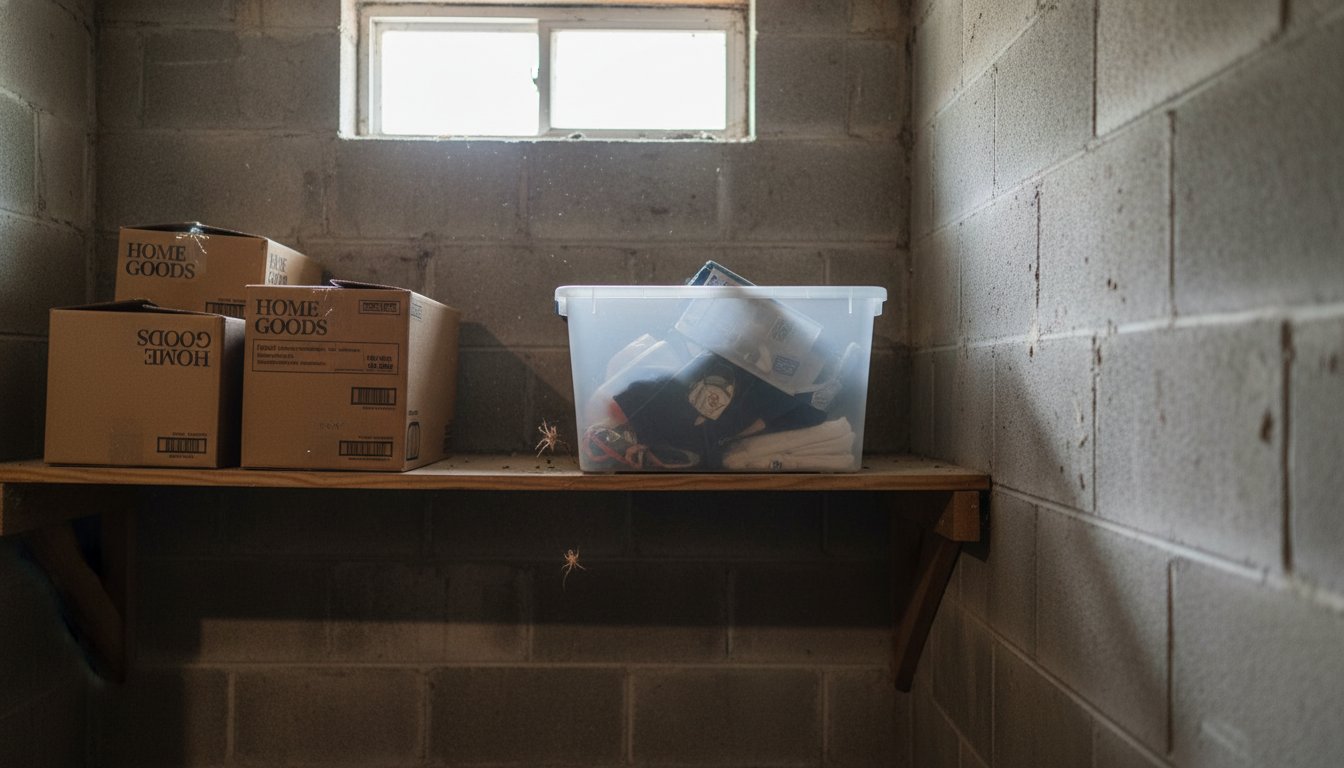
On October 14, 2025, a resident in Crawford County reached for a storage bin in their basement and froze as a small, tan spider vanished into a dark corner. It is completely natural to feel a surge of anxiety when you spot a mysterious arachnid in your living space, especially since many people assume every brown spider is a dangerous threat. Misidentification is a frequent occurrence; research suggests that nearly 80 percent of spiders submitted for identification in the Northeast are harmless local species rather than the rare pennsylvania brown recluse spider.
This guide provides the facts needed to identify a true brown recluse and distinguish it from the lookalikes that commonly inhabit Erie and Ashtabula Counties. You will learn the specific physical markers to look for, where these spiders are typically found, and how to maintain a safe environment for your family. Understanding the difference between a common house spider and a venomous species is the first step toward reclaiming peace of mind in your home. Professional pest control may help reduce risk if an infestation is suspected.
Disclaimer: The information provided on this blog is for general informational purposes only and is not intended as professional pest control advice. Conditions vary by property, environment, and location. Reading this content does not create a service agreement. For an inspection or professional recommendations, please contact Mosquito Assassin Pest Control LLC directly.
Key Takeaways
- Clarify the status of the pennsylvania brown recluse spider as a non-native species and understand why sightings are rare in the local region.
- Learn to identify the specific “violin” marking and other physical traits that distinguish a true brown recluse from common lookalikes found in Pennsylvania.
- Discover the common hiding spots within regional homes, such as undisturbed storage areas and cluttered crawlspaces, to better protect your living environment.
- Implement effective prevention techniques by establishing a perimeter of defense and controlling the insect populations that serve as a food source for spiders.
- Recognize when spider activity warrants professional management and how Integrated Pest Management (IPM) techniques can help safeguard your property.
Understanding the Range and Presence of Brown Recluse Spiders in Pennsylvania
The Brown recluse spider (Loxosceles reclusa) is one of the most misunderstood pests in the United States. While its name often causes immediate concern for homeowners, it’s vital to distinguish between a spider’s native habitat and occasional, isolated sightings. In the context of the pennsylvania brown recluse spider, these arachnids aren’t considered a resident species. They’re non-native to the Northeast, and the state doesn’t have the environmental conditions required to support large, wild populations.
Native Range vs. Pennsylvania Sightings
The primary habitat for the brown recluse spans from southeastern Nebraska through Texas and east to the westernmost parts of Georgia. Pennsylvania falls well outside this biological boundary. There aren’t any documented, established breeding populations of the pennsylvania brown recluse spider in the state’s 67 counties. The climate in northern regions like Erie and Meadville remains a significant barrier to their survival. These spiders thrive in consistent warmth and struggle to survive the sustained freezing temperatures common in Crawford and Erie Counties. Most “recluse” sightings in the Northeast are actually misidentified wolf spiders or nursery web spiders, which share similar coloring but lack the specific characteristics of the Loxosceles genus.
How Spiders Travel to New Regions
While they don’t live here naturally, spiders can occasionally arrive via human activity. This process, often called “hitchhiking,” occurs when a spider or an egg sac is transported in commercial freight, moving boxes, or luggage coming from the South or Midwest. A single spider found in a warehouse or a recently moved home represents an isolated find, not an active infestation. It’s extremely rare for these individual spiders to establish a colony in a new environment. Common transport methods include:
- Corrugated cardboard boxes stored in infested garages in the South.
- Furniture shipped from endemic regions like Kansas or Oklahoma.
- Commercial shipments of textiles, electronics, or heavy equipment.
- Personal belongings moved during a relocation from the Midwest.
Finding one spider doesn’t mean a property is infested. Because these spiders are reclusive and don’t travel far from their birth site, they rarely spread from one building to another in cold climates. If a resident suspects a sighting, professional pest control may help reduce risk through proper identification and inspection. Understanding the difference between a lone traveler and a local population helps manage expectations and reduces unnecessary anxiety for homeowners in the tri-state area.
Identification Guide: Distinguishing the Brown Recluse from Common PA Spiders
Accurate identification is the first step in managing any potential pest concern. While many people fear the pennsylvania brown recluse spider, these arachnids are often confused with harmless local species. A true brown recluse (Loxosceles reclusa) possesses specific physical traits that set it apart. They’re typically 0.25 to 0.5 inches in body length, with a uniform tan to dark brown coloration. Unlike many common house spiders, their legs lack any dark bands, stripes, or prominent spines. Instead, the legs are covered in fine, velvety hairs that require close inspection to see.
The Fiddle Mark and Eye Patterns
The most famous identifier is the dark, violin-shaped marking on the cephalothorax (the front body segment). The neck of the “fiddle” points toward the spider’s abdomen. While this mark is a helpful indicator, it’s not foolproof. Some younger spiders have faint markings, and other species, like the pirate spider, can mimic this pattern. For a definitive identification, professionals examine the eye arrangement. Most spiders have eight eyes in two rows, but the brown recluse has only six eyes arranged in three distinct pairs (dyads) in a semi-circle pattern.
Confirming Brown recluse presence in Pennsylvania is rare because they aren’t native to the region, though they’re occasionally transported here in moving boxes or furniture. If you find a suspect spider, don’t attempt to handle it. You can safely observe it by trapping it under a clear glass or plastic container. This allows for a detailed view of the eyes and markings without risking a bite.
Common Lookalikes in Erie and Crawford Counties
Residents in Erie and Crawford Counties frequently encounter several species that resemble the recluse at first glance. Distinguishing these from the pennsylvania brown recluse spider helps reduce unnecessary anxiety.
- Wolf Spiders: These are large, hairy, and robust. The Wolf Spider is a non-web-building hunter. They’re often seen scurrying across floors or in gardens, but they have eight eyes and distinct stripes on their bodies.
- Cellar Spiders: Often found in damp basements, these have extremely long, thin legs and tiny bodies. They’re known for “shaking” or vibrating their webs when disturbed, a behavior the brown recluse doesn’t exhibit.
- Yellow Sac Spiders: These are common indoor residents, usually pale yellow or light green. They’re often blamed for bites, but they lack the violin marking and the specific six-eye pattern of the recluse.
If you’re unsure about a spider in your home, professional pest control may help reduce risk by providing an expert assessment and identification. You can reach out for assistance at https://portal.gorilladesk.com/mosquitoassassin to ensure your property remains secure.

Where Spiders Hide: Common Habitats in Pennsylvania Homes
The name of the pennsylvania brown recluse spider is a direct reflection of its biological behavior. These arachnids are naturally shy. They don’t seek out human interaction; instead, they actively look for quiet spots that remain undisturbed for months at a time. In Pennsylvania, regional home construction styles and distinct seasonal shifts create specific environments where these spiders can thrive without being noticed. Identifying these zones is a primary step in effective risk management. Utilizing professional services for a comprehensive home inspection can help homeowners pinpoint these hidden harborages before they become a larger concern.
Pennsylvania’s climate significantly influences indoor spider activity. During the freezing winters typical of Erie and Crawford Counties, spiders often move deeper into the structural voids of a home to find stable temperatures. Activity levels often rise during the transition periods of spring and fall. When temperatures fluctuate, spiders may move from crawl spaces or attics into living areas in search of more favorable conditions or prey.
Basements, Crawl Spaces, and Attics
Damp, dark environments are a magnet for various pests. These areas often house many Commonly Encountered Pennsylvania Spiders because they attract the smaller insects that serve as a food source. Older homes in Meadville and Erie frequently feature stone foundations. These foundations often have small gaps, cracks, and crevices that offer perfect entry points and nesting sites. Clutter in a basement or attic provides a complex network of hiding spots. Stacks of lumber, old newspapers, or unused equipment create a protected sanctuary where the pennsylvania brown recluse spider can hide and lay egg sacs undisturbed.
Storage Areas and Seasonal Decorations
Cardboard boxes are one of the most common high-risk items in a home. The corrugated layers of cardboard provide narrow, dark spaces that mimic a spider’s natural habitat in the wild. When boxes sit in a garage or storage unit for a year, they become prime real estate for pests. Moving these items can lead to unexpected encounters. To reduce risks, consider these practical safety steps:
- Wear heavy work gloves when reaching into dark corners or moving long-stored items.
- Shake out clothing, blankets, or linens that have been stored in boxes before bringing them into bedrooms.
- Thoroughly inspect holiday decorations and wreaths before bringing them into the main living spaces.
- Switch from cardboard boxes to airtight plastic bins with secure lids to eliminate entry points for spiders.
Professional pest control may help reduce risk by identifying these specific habitat markers. Maintaining a clean, organized storage area is a simple but effective way to discourage spiders from nesting in your home.
Practical Prevention: Reducing Spider Activity Around Your Property
Creating a strong perimeter of defense is the most effective way to keep spiders away from your living space. Spiders are natural predators that follow their food source. If your property has a high population of ants, flies, or moths, you’ll likely see an increase in spider activity. Implementing general pest control strategies helps eliminate the insects that draw these predators to your home.
Year-round sanitation involves more than just a seasonal cleanup. In Erie and Crawford Counties, seasonal shifts drive pests indoors as temperatures drop in the fall. Keeping storage areas organized and using plastic bins instead of cardboard boxes reduces nesting opportunities. Cardboard is particularly attractive to various pests because of the organic adhesives used in the boxes; switching to sealed plastic containers removes this attractant and protects your belongings.
Outdoor Sanitation and Lighting
Maintaining the area immediately surrounding your foundation is a critical step in pest management. Spiders love dark, undisturbed areas. Removing debris like old woodpiles, leaf litter, and construction materials from the home foundation is vital. These piles provide the perfect habitat for a pennsylvania brown recluse spider to hide during the day. Vegetation should be trimmed so it doesn’t touch the exterior walls; a clearance of 12 inches is recommended to prevent pests from using plants as a bridge to reach your siding.
Lighting choices also play a significant role in activity levels. Standard white outdoor lights attract nocturnal insects like moths and beetles. Switching to yellow LED bulbs can reduce insect attraction by as much as 75 percent compared to traditional white incandescent bulbs. By reducing the number of prey insects gathering near your doors and windows, you make your home a less attractive hunting ground for spiders.
Interior Exclusion and Sealing
Preventing entry requires a physical barrier. Use high quality caulk or expandable foam to seal gaps around utility pipes, wires, and outdoor faucets. Gaps as small as 2 millimeters are enough for many arachnids to slip through. Repairing torn window screens and installing tight-fitting door sweeps on all exterior exits provides another layer of protection. Reducing entry points is the most effective long-term strategy for maintaining a pest-free environment.
Sticky traps placed in dark corners or along baseboards are excellent tools for monitoring movement. They help identify which areas of the home are most vulnerable. If you find a pennsylvania brown recluse spider on a trap, it’s a clear indicator of where to focus your exclusion efforts. If you are concerned about activity in your home, professional pest control may help reduce risk.
Disclaimer: The information provided on this blog is for general informational purposes only and is not intended as professional pest control advice. Conditions vary by property, environment, and location. Reading this content does not create a service agreement. For an inspection or professional recommendations, please contact Mosquito Assassin Pest Control LLC directly.
Professional Management and Resident Safety
Managing a potential pennsylvania brown recluse spider population requires a methodical approach that prioritizes household safety. When residents find multiple specimens or suspect a breeding population in secluded areas like crawlspaces or attics, professional intervention becomes necessary. Experts utilize Integrated Pest Management (IPM), a strategy that focuses on long term prevention through habitat modification and targeted treatments rather than just reactive chemical use. This scientific approach ensures that the root causes of the infestation are addressed, making the home less hospitable to arachnids over time.
Safety for families and pets remains the primary concern during any pest management process. Professional treatments are designed to be precise, applying products only where they are needed to minimize contact with residents. Technicians provide clear guidelines on prep work and re-entry times, which typically range from two to four hours depending on the specific treatment plan. This structured process removes the guesswork and risk associated with over-the-counter solutions that may not be effective against the pennsylvania brown recluse spider.
The Role of Professional Inspections
Licensed technicians identify microscopic entry points, some as small as 1/16th of an inch, that homeowners usually miss. A critical component of this process involves rodent removal, as mice often create the very holes spiders use to enter a structure. By managing the broader ecosystem, including the smaller insects that serve as a food source, professional pest control significantly reduces the likelihood of spiders establishing a permanent presence. This multi-layered strategy targets the spiders’ survival needs, effectively forcing them out of the living environment.
When to Consult a Professional
It’s time to contact a licensed professional if you discover egg sacs, shed skins, or multiple spiders in living areas. While a solitary spider might be a transient visitor, recurring sightings suggest an established infestation. Accurate identification is vital; many harmless house spiders are often mistaken for recluse species, leading to unnecessary anxiety. An expert evaluation provides the data needed to make informed decisions about your property. For residents in Erie, Crawford, or Ashtabula counties, you can visit the location page to find help in your specific county and ensure your home remains a secure environment.
Disclaimer: The information provided on this blog is for general informational purposes only and is not intended as professional pest control advice. Conditions vary by property, environment, and location. Reading this content does not create a service agreement. For an inspection or professional recommendations, please contact Mosquito Assassin Pest Control LLC directly.
Protecting Your Property and Family
Identifying a pennsylvania brown recluse spider starts with recognizing its six eyes arranged in pairs and the dark violin-shaped mark on its back. While these spiders aren’t native to the colder climates of Erie or Crawford Counties, they’re known to travel in moving boxes or furniture. Keeping storage areas organized and sealing entry points are practical steps to discourage any spider activity. Professional expertise is often necessary to distinguish these from common house spiders found throughout Northeast Ohio and Northwest Pennsylvania.
Licensed and insured professionals possess the training to evaluate local habitat patterns and provide accurate species identification. If there’s a concern about spiders in a home or business, professional pest control may help reduce risk and offer peace of mind. For an inspection or professional recommendations, please contact Mosquito Assassin Pest Control LLC directly.
Staying informed and proactive ensures a safer living environment for everyone in the community.
Disclaimer: The information provided on this blog is for general informational purposes only and is not intended as professional pest control advice. Conditions vary by property, environment, and location. Reading this content does not create a service agreement. For an inspection or professional recommendations, please contact Mosquito Assassin Pest Control LLC directly.
Frequently Asked Questions
Are brown recluse spiders common in Pennsylvania?
Brown recluse spiders are not common in Pennsylvania. While occasional sightings occur, usually due to hitchhiking in shipping containers or luggage, the Pennsylvania Department of Agriculture confirms there are no established breeding populations in the state. Most spiders identified as recluses are actually harmless lookalikes. If you find a suspicious spider in Erie or Crawford Counties, professional identification is the best way to ensure your safety.
What does a brown recluse spider look like?
A brown recluse spider is characterized by a dark brown, violin-shaped mark on its cephalothorax. These spiders are typically 0.25 to 0.5 inches long with long, thin legs that lack thick spines. Unlike most spiders that have eight eyes, the recluse has six eyes arranged in three pairs. Identifying a pennsylvania brown recluse spider requires looking for these specific physical traits rather than just the color brown.
Can a brown recluse spider bite be fatal?
Fatalities from brown recluse spider bites are extremely rare, with fewer than 10 deaths reported annually in the United States according to medical literature. Most bites result in minor redness or a small blister that heals within 21 days. However, approximately 10 percent of bites cause significant tissue damage or necrosis. If you suspect a bite, seek medical attention immediately rather than attempting home remedies or waiting for symptoms to worsen.
What should I do if I find a brown spider in my house?
If you find a brown spider, avoid touching it with your bare hands. You can safely capture the specimen in a glass jar to show a professional for identification. Reducing clutter in basements and attics removes the dark, undisturbed hiding spots these pests prefer. Because many common house spiders look similar to the pennsylvania brown recluse spider, getting an expert opinion helps provide peace of mind for your family.
How do brown recluse spiders get into Pennsylvania homes?
Brown recluse spiders typically enter Pennsylvania homes by hitchhiking in boxes, furniture, or equipment transported from southern and midwestern states. They aren’t native to this region and don’t migrate outdoors across state lines. Most infestations start after a resident moves belongings from an area where the spiders are endemic, such as Missouri or Arkansas. Checking cardboard boxes before bringing them into your garage or attic helps prevent an accidental introduction.
Are there other venomous spiders in Pennsylvania?
The northern black widow is the only other medically significant spider native to Pennsylvania. While the brown recluse is rare, the black widow is more common in woodpiles and dark outbuildings across Erie and Crawford Counties. Most other local species, such as cellar spiders or jumping spiders, possess venom for hunting but don’t pose a serious health risk to humans. Professional pest control may help reduce the risk of encountering these venomous species.
Does professional pest control work for spiders?
Professional pest control is highly effective when it uses an integrated approach to manage spider populations. Treatments focus on removing food sources, such as smaller insects, and applying barriers to entry points like cracks and crevices. Since spiders don’t groom themselves like insects, direct contact with treated surfaces is necessary for eradication. Expert technicians can identify high-risk areas in your home to create a customized plan that ensures long-term protection.
Is it a brown recluse or a wolf spider?
It’s often a wolf spider if the specimen is hairy and has large, prominent eyes. Wolf spiders are common in Pennsylvania and can grow much larger than a recluse, often reaching 1 inch in body length. While a recluse has a smooth appearance and a violin mark, a wolf spider usually has stripes on its head. If the spider is running quickly across an open floor, it’s likely a wolf spider, as recluses prefer to stay hidden.
Disclaimer: The information provided on this blog is for general informational purposes only and is not intended as professional pest control advice. Conditions vary by property, environment, and location. Reading this content does not create a service agreement. For an inspection or professional recommendations, please contact Mosquito Assassin Pest Control LLC directly.